Most adult groups don’t need bigger budgets or louder hosts. They need activities that feel purposeful, doable, and just a little bit daring. Outdoors is where that combination shows up naturally. Fresh air lowers the stakes, light movement keeps energy up, and the environment does half the facilitation for you.
A pattern we keep seeing: the best outdoor activities meet people where they are physically, invite small wins in the first 10 minutes, and build just enough challenge to create shared stories. That holds for teams, alumni groups, conferences, and Saturday friends alike.
This guide curates outdoor activities for adults from easy to adventurous, adds selection guidance, and shows the simple logistics that make the difference between “fine” and “we should do this again.”
- Match activity to the group’s goal first, then pick format and location.
- Front-load easy wins in the first 10 minutes to boost completion and morale.
- Plan for basic safety and access early so fun isn’t fragile.
- Use light competition, not pressure, to keep adults engaged.
Why outdoor activities for adults work
Outdoor time not only gets people moving, it often increases enjoyment compared to indoor exercise and can support mental wellbeing. Evidence keeps evolving, but recent syntheses show small to moderate benefits for community green exercise and strong effects for mental health compared with doing nothing at all. Translation: low-key outdoor movement is a reliable bet for mood, connection, and participation. CDC guidance recommends adults aim for 150 minutes of moderate activity weekly, which many of the ideas below quietly advance. (pubmed.ncbi.nlm.nih.gov)
Another useful context: more adults are participating outdoors, especially newer, casual participants. That means simple, accessible formats land well. Industry data reported a record 175.8 million outdoor participants in 2023, with growth among newer entrants and a slight dip in average outings per person. Make the outing count. (outdoorindustry.org)
How to choose the right activity for your group
Pick the format that fits the goal, constraints, and vibe. Use this quick gut-check.
- Define the outcome. Build connection, celebrate, onboard, learn a place, or raise funds.
- Map constraints. Note time box, daylight, budget, group size, and noise limits.
- Calibrate intensity. Offer walkable routes and non-walking alternates when possible.
- Plan access. Choose surfaces and distances most can handle; provide sit-out options.
- Lock logistics. Confirm permits if using public spaces, know restroom and water points, and assign two on-site leads.
- Make the first 10 minutes easy. Start with something everyone can complete.
Pro tip
If you want automation, a
scavenger hunt app handles scoring, media uploads, GPS or QR check-ins, and live leaderboards so organizers can actually host.
Easy, low-prep outdoor activities
These work with little more than a location and a plan.
- Park photo safari. Hand teams a short list of visual prompts and a 25-minute window. Light movement, shared laughs, and instant gallery at the end.
- Nature walk reset. Keep the route short and conversational. Bonus: it chips away at the 150-minute weekly activity target without feeling like a workout. CDC adult guidelines. (cdc.gov)
- Cornhole or bocce mini-bracket. Low skill floor, easy to transport, and excellent for mixed groups.
- Community clean-up and coffee. Gloves, bags, a defined block, and a simple before-and-after photo.
- Farmers market taste-and-find. Teams locate items by a short clue list, meet one vendor, and bring back a team snack.
- Geocaching intro. Use the official app and pick a few beginner-friendly caches near your meetup point for a treasure-hunt feel without heavy planning. Geocaching beginner guide. (geocaching.com)
- Sunset sit-back. Foldable chairs, light snacks, and a simple “two-peak one-pit” share-around as the sun goes down.

Social, skill-mix activities that keep conversation flowing
These layer light challenge onto movement so nobody gets stuck on the sidelines.
- Adult field day, rebooted. Rotate groups through 6 short stations like sack sprint, frisbee toss, and puzzle relay. Keep wait times near zero.
- City micro-adventure hunt. Short waypoints, local trivia, and photo prompts that surface neighborhood gems. Browser play avoids download friction for guests.
- Food or beverage trail. Curate 3 stops within a walkable loop so the street time becomes part of the experience.
- Shared pedal tour. A novelty ride keeps the group together and conversation easy. Choose non-alcohol options when you want broad appeal.
- Picnic plus teach-and-try. Invite one person to demo a simple skill for 10 minutes, then let everyone try it: pour-over coffee, disposable-camera framing, or knot basics.
- Recreate a famous statue using only your team
- Scan the code hidden near the oldest tree in the park
- Check in at the mural with three birds in flight
- Which local bridge opened first in this city?
- Film a 10-second cheer for a nearby small business
Watch out
Public spaces can require permits for organized events, amplified sound, or large groups. Park rules vary, so confirm with the land manager and follow posted guidelines.
Cause-driven and fitness-forward ideas
Doing good together amplifies the memory. Keep formats welcoming to walkers.
- 5K for a cause. Join an existing event or stage a friendly internal version with timed waves and walkers-first signage. When staging your own, align with established RRCA Safe Event Guidelines for course safety, community coordination, and risk planning. (rrca.org)
- Plogging hour. Gloves and bags, then jog or walk a loop picking up litter. Post a simple tally to celebrate impact.
- Stair-free step challenge. Use a short outdoor loop and count laps so everyone can participate at their pace.
- Walk-and-donate bingo. Each completed square triggers a small pledge to a local nonprofit.
- Trail walk with micro-lessons. Surface, distance, and rest points matter more than elevation. Use the “10 essentials” as a short pre-brief for safety culture. American Hiking Society’s 10 Essentials. (americanhiking.org)
Simple movement, shared effort, and a visible finish line turn polite groups into proud teams.
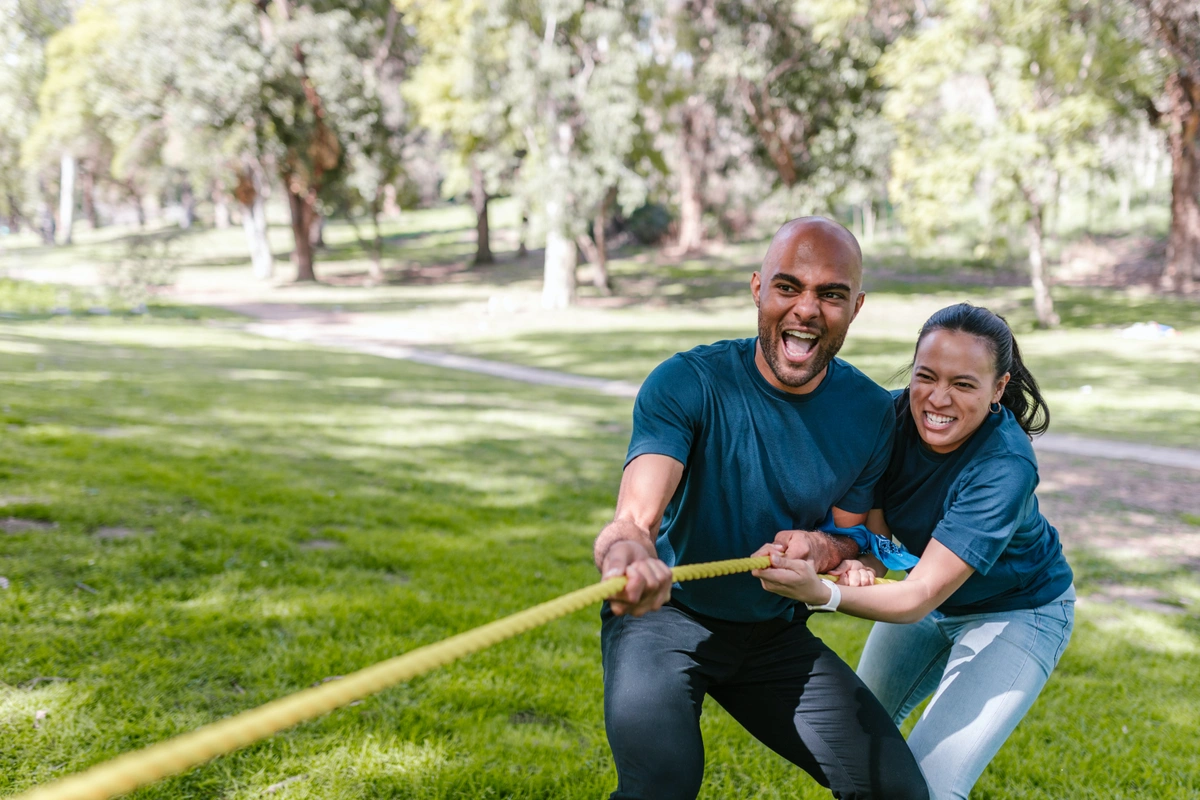
Competitive and team building options
Add just enough structure to create momentum, not pressure.
- Obstacle course sampler. Balance beams, low crawls, carry-and-stack. Keep hardest elements optional so the vibe stays fun.
- Outdoor escape game. Puzzles spread across a courtyard or campus with time-boxed stages and a clearly marked hint system.
- Giant chess in the park. Two teams, quick huddles between moves, and rotating players to keep energy up.
- Nerf capture-the-flag. Use flag belts, a ball return line, and a center safety zone.
- Orienteering lite. Teach bearings with a 3-point mini-course that loops back to home base.
Adventurous picks for when you want a little adrenaline
Use guides where needed and always brief opt-out paths.
- Guided rock climbing or via ferrata. Licensed guides, clear fit notes, and a good belay briefing.
- Kayak or canoe basics. Put-ins with bathrooms and calm water only; use buddy boats.
- Mountain bike green trail sampler. Start on wide, low-grade paths with generous regroup points.
- Zipline plus nature loop. Alternate thrill with a quiet team walk.
- Night stargazing. Learn 5 constellations and have one person run a thermos station.
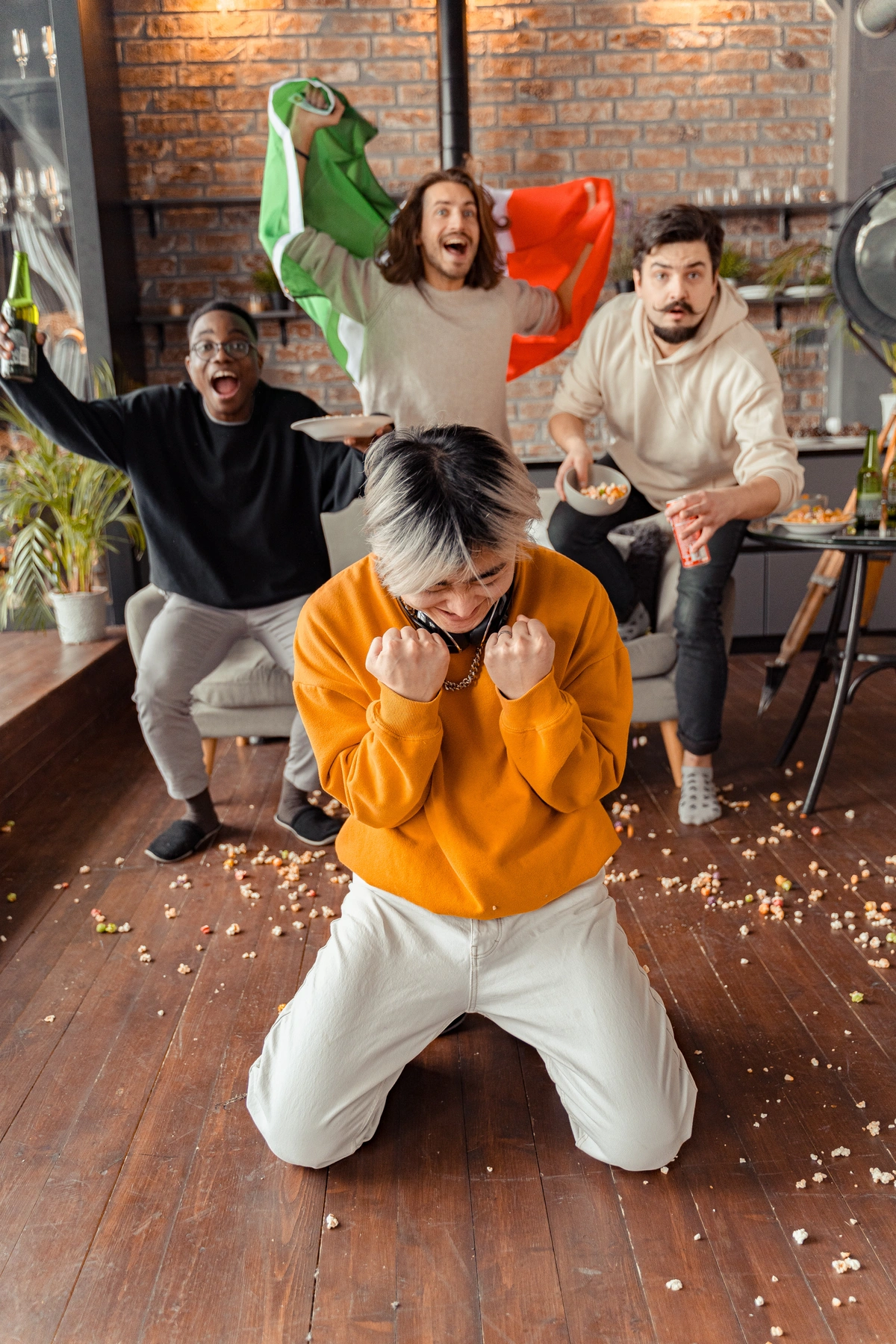
How to run an outdoor activity adults actually enjoy
These patterns hold up across hundreds of programs.
- Start with a guaranteed win. A 60-second challenge or check-in that everyone completes.
- Keep the clock visible. Announce a halftime photo or regroup so nobody wonders how long is left.
- Use roles lightly. Nominate a navigator, photographer, or “time whisperer” inside each group.
- Celebrate micro-moments. Midway bonus points or a quick shoutout on the mic moves energy fast.
- Close the loop. End with a 3-minute show-and-tell, awards, or a simple toast.
Common mistakes that quietly ruin outdoor events
- Over-indexing on physical skill. Balance tasks so walking speed never decides the whole game.
- Long idle time. Waiting kills energy faster than rain. Stagger starts and add side quests.
- Muddy instructions. Write the brief you can read in 30 seconds, not a rulebook.
- Zero attention to access. Offer alternates for stairs, distances, or standing.
- Ignoring photography. Plan one hero shot moment so the memory survives Monday.
Safety, access, and stewardship essentials
A little prep keeps fun from feeling fragile.
- Pack smart. The hiking “10 essentials” are a solid baseline for group leaders even on urban walks: navigation, extra water and food, layers, light, first aid, multi-tool, sun protection, and shelter. American Hiking Society 10 Essentials. (americanhiking.org)
- Bring a first aid kit. Stock the basics and know where it is. The American Red Cross first aid kit checklist is a practical reference. (redcross.org)
- Respect the place. Follow the Leave No Trace Seven Principles and pick activities that avoid resource damage. (lnt.org)
- Check permits. Public lands often require permission for special events, filming, or amplified sound. Review NPS guidance on filming and special uses for a sense of thresholds, then verify locally. (nps.gov)
- Build in movement minutes. Many options below nudge groups toward the CDC’s 150 minutes per week goal in a way that feels social, not prescriptive. (cdc.gov)
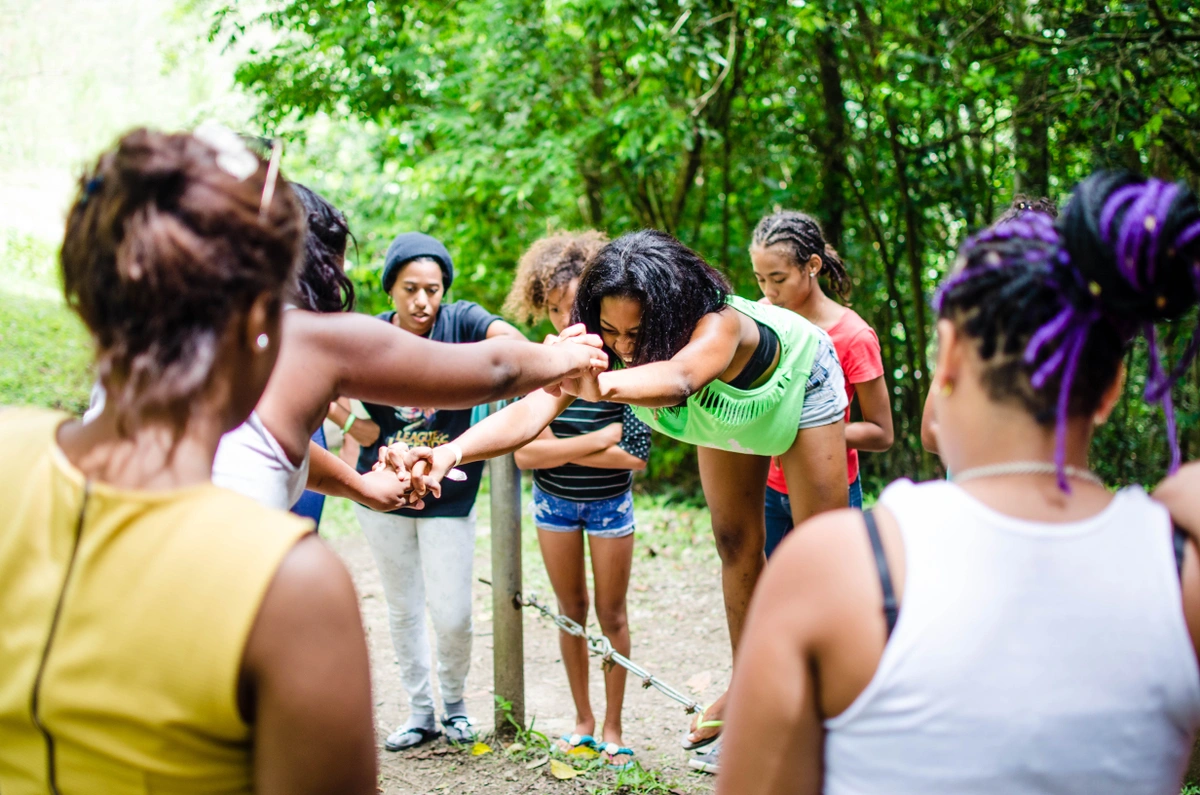
Sample 90-minute plan for a 30-person group
A simple structure you can adapt to parks, campuses, or conference venues.
- 0:00–0:05 Welcome and easy win. One quick check-in task or selfie at a nearby landmark.
- 0:05–0:15 Brief plus safety. Show route map, bathrooms, water points, and access alternates.
- 0:15–0:55 Main activity. Field day rotations, short scavenger loop, or food trail.
- 0:55–1:10 Free-choice side quests. Optional photo prompts or a calm sit-spot.
- 1:10–1:25 Regroup and share. One photo per team on a screen or a quick circle share.
- 1:25–1:30 Close. Light awards or a simple toast, then a clear dismissal.
FAQs
What outdoor activities work best for mixed-age or mixed-ability adult groups?
Formats with walkable routes and flexible tasks work best: photo safaris, city micro-adventure hunts, farmers market challenges, and lawn-game circuits. Keep hardest options fully optional and provide sit-out spots.
How do I keep competitive people engaged without scaring off everyone else?
Blend individual wins with team goals. Offer bonus windows and creative points, not just speed. Announce a mid-event twist to re-balance the field.
What if weather turns on us?
Plan a light-weather policy in advance. Shorten the route, move to covered walkways, or switch to a nearby indoor loop. Announce the backup in the pre-brief so it isn’t a surprise.
Do we need permits for casual group activities in a public park?
Rules vary by jurisdiction. If your group is large, uses amplified sound, reserves space, or sells anything, expect to need a permit. National Park Service guidance shows thresholds and examples, but always check locally. NPS filming and special use overview. (nps.gov)
Any quick safety musts for simple walks and hunts?
Carry water, sun protection, and a small first aid kit. Brief access alternates, restroom locations, and a meetup point if anyone gets separated. The Red Cross first aid kit checklist is a useful reference. Red Cross checklist. (redcross.org)
How does a scavenger hunt fit into all this?
It’s the most flexible format here. You can run it as a quick campus welcome, a neighborhood discovery walk, a cause-driven mission, or a fully produced city game with media challenges and GPS or QR check-ins.
How many activities should we plan for a 90-minute window?
Three to five stations or waypoints is the sweet spot for most adult groups. Keep the first one easy, the middle one social, and the last one celebratory.

The best outdoor activities for adults aren’t stunts. They are thoughtful formats that make it easy to start, simple to participate, and satisfying to finish. Start small, keep it human, and let the environment do its work.