Solutions
Your first hunt, live this afternoon.
Free to start · No download for participants
Explore 75 employee engagement ideas organized by goal, effort, and team type, with practical ways to strengthen recognition, belonging, growth, and trust.
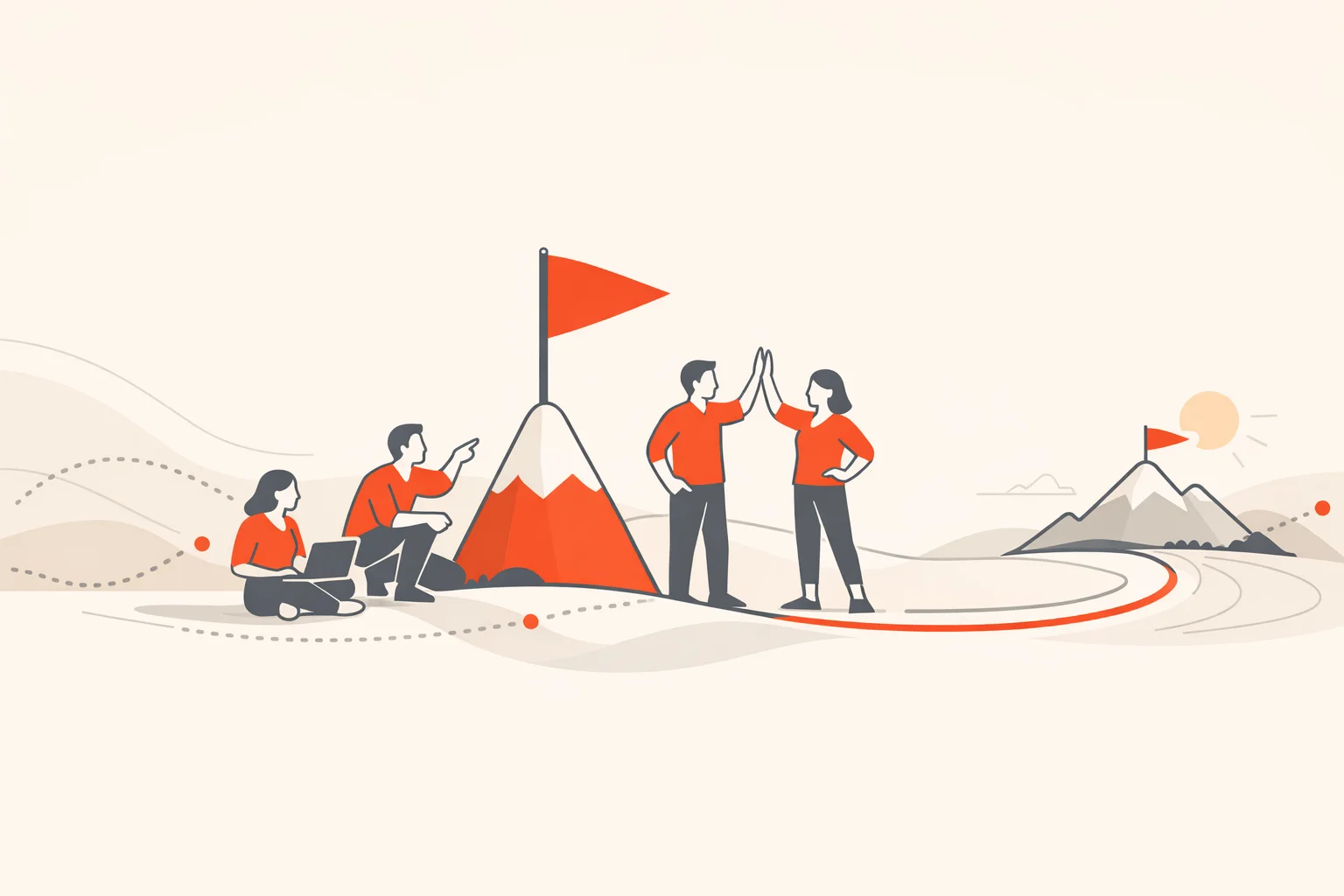
Employee engagement isn’t about pizza and posters. It’s about designing moments that build recognition, belonging, growth, and trust on repeat. Hybrid schedules, frontline realities, distributed teams — they all complicate things. The good news: small, precise moves add up. This list collects 75 ideas we’ve seen work across offices, warehouses, campuses, and Zoom squares. Each idea notes the primary goal, the effort level, and which team types it fits best so you can move fast.
A pattern we keep seeing: initiatives that make it easy to notice good work, practice together, and learn visibly keep people engaged longer than big, rare events. Research on recognition, psychological safety, and schedule experiments points the same direction: design for frequent, authentic touchpoints and participation equity. Gallup‑Workhuman recognition research links better recognition to engagement and retention, while Amy Edmondson’s work shows teams thrive when it’s safe to speak up. Psychological safety isn’t fluff; it’s operational. Four‑day week pilots report stable or improved performance when implemented thoughtfully. See multi‑country results. (gallup.com)
Nobody quits a game they’re winning. Design the first move so everyone can score.
Goal: Belonging, Growth | Effort: Medium | Team: Onsite, Hybrid, Remote
Scavenger hunts activate collaboration, quick decisions, and shared wins. Use challenges that reinforce values, teach systems, and celebrate people. Scavify can automate setup, scoring, and leaderboards in the app or a browser.
Goal: Recognition | Effort: Low | Team: All
Build a weekly cadence: three micro‑shout‑outs per person, capped at 140 characters, tied to values and specific behaviors. Public feed, monthly recap. Strategic recognition like this correlates with higher engagement and lower turnover. Gallup x Workhuman data shows well‑recognized employees are markedly less likely to leave. (gallup.com)
Goal: Trust/Voice | Effort: Low | Team: All
Use a two‑question 1:1 template: “What made work easier/harder this week?” and “What’s one decision I can help unblock?” Google’s Project Oxygen found effective managers coach, empower, and communicate — rhythms 1:1s enable. Project Oxygen. (hbr.org)
Goal: Growth | Effort: Low | Team: Hybrid, Remote
Create a dedicated channel for bite‑size lessons, links, and annotated screenshots. Pin a weekly prompt. Archive best posts into your knowledge base with an owner per topic to stop information from disappearing into DMs.
Goal: Belonging | Effort: Medium | Team: Onsite, Hybrid
Cooking forces planning, delegation, and time management. Make the brief explicit: sous‑chef, expediter, and plating lead. Quick debrief: “What did we change under pressure?”
Goal: Trust/Voice | Effort: Medium | Team: All
Short, structured improv games sharpen attention and response. Think “Yes, and...,” “Last word/first word,” or “Status switch.” Keep sets under 12 minutes. The win isn’t comedy; it’s listening.
Goal: Growth | Effort: Low | Team: All
Turn policy updates into trivia rounds with examples and near‑misses. Rotate hosts, show explanations, and reward clarity, not just speed. Retention beats reminders.
Goal: Recognition | Effort: Low | Team: All
Once a month, hold 30 minutes where people say thanks with specifics: artifact, screenshot, or clip. Recognition that’s authentic and specific has outsized impact on engagement and wellbeing. Gallup‑Workhuman. (gallup.com)
Goal: Recognition | Effort: Low | Team: All
Collect a “favorites” card for snacks, coffee orders, and small perks. Cap budgets and rotate recipients transparently to avoid perceived bias. Small, frequent, fair beats occasional, huge, and invisible.
Goal: Growth | Effort: Medium | Team: All
Let every team member “captain” a small initiative for a week: stand‑ups, incident triage, or demo prep. Announce goals upfront and debrief skills gained.
Goal: Wellbeing, Autonomy | Effort: High | Team: All
Trial a 100‑80‑100 model for 8–12 weeks: 100 percent pay, 80 percent time, 100 percent outcomes. Many pilots report stable or better performance and higher wellbeing when guardrails are clear. Start with meeting hygiene and output metrics. Portugal’s public trial and the UK’s large pilot reported positive results. (4dayweek.com)
Goal: Trust/Voice | Effort: Medium | Team: Hybrid
Give everyone the same interface: in‑room folks join on laptops (audio off) while a facilitator watches chat and hands. Name‑check remote attendees first and rotate who leads. This aligns with guidance from management research on inclusive hybrid meetings. MIT Sloan. (mitsloanindia.com)
Goal: Belonging | Effort: Medium | Team: Onsite
Offer a small budget per seat, share inspiration, and vote on quick wins: lighting, plants, monitors, or storage. Award a “Most Functional” and “Most You” prize.
Goal: Belonging | Effort: Low | Team: Onsite, Hybrid
Pick themes that fit your work: “Bug‑bash best,” “Favorite problem‑solvers,” or “Tools we love.” Keep participation optional and rewards light.
Goal: Belonging | Effort: Low | Team: All
Schedule a 20‑minute, cameras‑optional social drop‑in midweek. Seed three prompts and let people opt out freely.
Goal: Wellbeing | Effort: Low | Team: All
Offer 6‑minute guided breathing at two set times daily. Make it opt‑in and calendar‑visible. Long sessions become chores; micro‑habits stick.
Goal: Belonging | Effort: Low | Team: Hybrid, Remote
Collect three unusual facts from each person and run a quiz. Reveal answers live. It’s light, fast, and humanizing.
Goal: Belonging | Effort: Medium | Team: Onsite
Create a rotating lunch route with ratings and photo proof. Pair new hires with veterans to speed local context.
Goal: Recognition | Effort: Low | Team: All
Give awards like “Most Likely to Unstick a Blocker” or “Docs Whisperer.” Keep it kind and work‑relevant.
Goal: Belonging | Effort: Medium | Team: Onsite
Make something together. Each person contributes a tile or panel about how they help customers win. Display where work happens.
Goal: Trust/Voice | Effort: Low | Team: All
Run quarterly one‑minute polls and publish the changes you’ll make, by when. Closing the loop is the engagement.
Goal: Belonging | Effort: Low | Team: All
Instead of one big party, do week‑long micro‑events people can join between work: trivia, treats, and a giving drive.
Goal: Belonging | Effort: Low | Team: Hybrid, Remote
After long weekends, hold a 10‑minute gallery: 3 slides, 3 photos, 1 story. Fun without oversharing.
Goal: Belonging | Effort: Medium | Team: Onsite
Invite neighborhood businesses for a mini‑market. You’ll support the community and give teams a shared break.
Goal: Autonomy | Effort: Medium | Team: All
Allow periodic flex days when teams hit measurable milestones. Keep coverage plans clear.
Goal: Belonging | Effort: Low | Team: Onsite, Hybrid
Collect baby or childhood photos and run a week‑long “who’s who” with a small prize.
Goal: Recognition | Effort: Low | Team: All
Set reminders for managers to send one authentic note weekly. Frequent recognition ties to lower burnout and higher engagement. Authenticity matters. (gallup.com)
Goal: Belonging | Effort: Medium | Team: Onsite, Hybrid
Choose activities with a problem to solve together: mini‑golf scoring hacks, a museum clue trail, or a park clean‑up with a target.
Goal: Growth | Effort: Medium | Team: All
Pair people for 90‑day goals with midpoint checks, then rotate. Effective mentorship and sponsorship within ERGs and beyond supports inclusion and advancement. McKinsey on ERGs. (mckinsey.com)
Goal: Trust/Voice | Effort: Medium | Team: All
Collect questions in advance, answer candidly, and publish follow‑ups with owners and dates. Measure trust by how many hard questions you get.
Goal: Autonomy | Effort: Medium | Team: Hybrid, Remote, Frontline (where possible)
Publish norms for availability, response times, and handoffs. Clarity prevents “always on.”
Goal: Growth | Effort: Medium | Team: All
Give people 2–4 weeks to learn a skill and ship a small artifact. Sprint reviews make learning visible and contagious. Evidence from workplace learning research shows structured, applied learning increases transfer. Annual Review of Organizational Psychology. (annualreviews.org)
Goal: Belonging | Effort: Medium | Team: All
Think compact games with a scoreboard: escape rooms, puzzle runs, or photo challenges tied to your space.
Goal: Recognition | Effort: Low | Team: All
Use a simple rotation for peer‑nominated shout‑outs, a monthly highlight reel, and a quarterly story tied to business impact. Recognition done well links to retention and culture health. Research hub. (gallup.com)
Goal: Wellbeing | Effort: Medium | Team: All
Offer menus (movement, sleep, stress) with tiny commitments and optional team goals. Celebrate consistency over intensity.
Goal: Belonging | Effort: Medium | Team: All
Partner with local orgs, set a clear output (meals packed, kits assembled), and track it. Publish photos and outcomes.
Goal: Growth | Effort: Medium | Team: All
Break silos by shipping something together: a mini‑feature, a process fix, or a field visit. Treat it like a short, scrappy project.
Goal: Trust/Voice | Effort: Low | Team: All
Allow anonymous ideas, but require public tracking: status, owner, and decision. People don’t need to win every vote; they need to see progress.
Goal: Growth | Effort: Low | Team: All
Short demos, timeboxed Q&A, and a repo of recordings. Rotate speakers and tie topics to current work.
Goal: Growth | Effort: Medium | Team: All
Make levels, skills, and examples public. People can engage when they can aim.
Goal: Trust/Voice | Effort: High | Team: All
Less zipline, more roadmap. Pick one gnarly issue, gather data, and leave with owners and decisions.
Goal: Growth | Effort: Medium | Team: All
Run 10‑day sprints rated on customer value, feasibility, and learning. Prototype beats pitch every time.
Goal: Growth | Effort: Medium | Team: All
Sponsor courses and conferences with a “teach‑back” requirement. Learning sticks when it’s re‑taught.
Goal: Recognition | Effort: Low | Team: Onsite, Hybrid
Physical boards or digital feeds where people post receipts of great work. Curate monthly greatest hits.
Goal: Belonging | Effort: Low | Team: All
Think 15‑minute coffee roulettes, photo prompts, or “song of the week.” Keep optional, keep light.
Goal: Wellbeing | Effort: Low | Team: All
Choose 10‑day streaks: stretch, steps, or water. Point systems make it fun. Opt‑in protects autonomy.
Goal: Growth | Effort: Low | Team: All
Fund a rotating shelf or digital library. Let teams “check out” a topic for a month and present takeaways.
Goal: Trust/Voice | Effort: Low | Team: All
Collect ideas privately, then track them publicly. Close the loop monthly with what shipped, shelved, or snoozed.
Goal: Recognition | Effort: Low | Team: All
Offer choices: gift cards, time off, charity donations, learning credits. Publish criteria to keep it fair.
Goal: Belonging | Effort: Medium | Team: All
Effective ERGs build community, mentorship, and a channel to leadership. Keep them open, resourced, and connected to business goals. McKinsey’s DEI research underscores the link between inclusion, belonging, and outcomes. (mckinsey.com)
Goal: Wellbeing | Effort: Low | Team: All
Document norms for after‑hours messages, protected time, and response expectations. Culture lives where calendars do.
Goal: Growth | Effort: Medium | Team: All
Use a simple wiki with named owners per page. Quarterly spring‑cleaning prevents rot.
Goal: Trust/Voice | Effort: Medium | Team: All
Create working groups with a charter, timeline, and authority on topics that matter: tooling, schedules, or space usage.
Goal: Wellbeing | Effort: Medium | Team: Onsite
Make a screen‑free, comfortable space for decompression, prayer, or focus. Track usage and adjust.
Goal: Belonging | Effort: Low | Team: All
Short contests around problem‑solving, safety, or quality. Publish rules and reward teamwork.
Goal: Recognition | Effort: Low | Team: All
Start with two shout‑outs tied to values and outcomes. End with one commitment each.
Goal: Belonging | Effort: Low | Team: Remote
Do activities that leave something behind: a shared map, a playlist, or a tips doc. Artifacts keep the memory alive.
Goal: Belonging | Effort: Low | Team: Remote
Automate 15‑minute pairings monthly. Provide prompts and opt‑out options.
Goal: Recognition | Effort: Low | Team: Remote, Hybrid
Cap posts per week, require specifics, and rotate highlights into all‑hands. Quality beats volume.
Goal: Growth | Effort: Low | Team: Remote, Hybrid
Keep to 25 minutes, with a 10‑minute optional after‑room for questions. Record and tag.
Goal: Belonging | Effort: Low | Team: Remote
Add a theme or light game and end on time. Open rooms get awkward fast.
Goal: Wellbeing | Effort: Low | Team: Remote
Offer short yoga, stretch, or breathwork sessions at predictable times. Opt‑in maintains autonomy.
Goal: Growth | Effort: Low | Team: Remote, Hybrid
Share quotes in a channel, react with takeaways, then meet once at the end. Less calendar, more conversation.
Goal: Trust/Voice | Effort: Medium | Team: Remote
Collect and upvote questions. Leadership answers live and in writing later.
Goal: Belonging | Effort: Medium | Team: Remote, Hybrid
Run a two‑week challenge with points, a leaderboard, and a recap video. Completion matters more than winner.
Goal: Growth | Effort: Medium | Team: Remote
Match mentors and mentees across locations, set concrete goals, and track outcomes like internal moves.
Goal: Autonomy, Growth | Effort: Medium | Team: All
Teach people to re‑shape tasks for meaning and strengths, then commit to one change with manager support. Job crafting is linked to higher engagement and performance. HBR overview; foundational research by Wrzesniewski & Dutton. (hbr.org)
Goal: Growth | Effort: Low | Team: All
Swap hour‑long trainings for 3–7 minute modules tied to daily tasks, with quick checks and nudges. Microlearning shows promise when contextual and trackable. Systematic review. (pubmed.ncbi.nlm.nih.gov)
Goal: Belonging, Growth | Effort: Medium | Team: All
Map a first‑month journey with checkpoints, buddies, and three “ship something small” moments.
Goal: Belonging | Effort: Low | Team: All
Assign a peer buddy with three scheduled touchpoints in month one. Buddies reduce time‑to‑useful.
Goal: Growth | Effort: Medium | Team: All
Let employees sit in on adjacent functions for a day: support, field ops, or QA. Cross‑exposure builds empathy and options.
Goal: Belonging | Effort: Low | Team: All
Centralize birthdays, workiversaries, releases, and personal wins. Keep it opt‑in and visible.
Goal: Growth | Effort: High | Team: All
Post short internal gigs and allow sign‑ups. People engage when stretch work is transparent and attainable.
Goal: Autonomy | Effort: Medium | Team: All
Protect 2–3 weekly blocks for deep work. Enforce like a deadline. Publish exceptions.
Goal: Trust/Voice | Effort: Medium | Team: All
Run one culture experiment per quarter with a start and end date. Measure participation, sentiment, and one business proxy. If it works, keep it. If not, kill it kindly.
Scavify exists to make passive participation active. When you need a fast, high‑energy way to create shared wins across hybrid or onsite teams, scavenger hunts punch above their weight. Challenge variety, automation, and browser plus app flexibility mean you can launch in minutes, not months — then let live feeds and leaderboards do the engagement lifting while you track participation and results.
Employee engagement is the observable energy, attention, and care people put into their work because they feel recognized, included, able to grow, and safe to speak up. That last part — psychological safety — is a leading indicator of team effectiveness. HBR on psychological safety. (hbr.org)
Yes, when they’re frequent, authentic, equitable, and personalized. Multiple studies associate high‑quality recognition with higher engagement, lower burnout, and stronger retention. Gallup‑Workhuman research. (gallup.com)
Standardize the experience: in‑room attendees join on laptops (audio off), appoint a facilitator to watch chat and hands, and call on remote participants first. Research‑backed practices improve inclusion and participation quality. MIT Sloan guidance. (mitsloanindia.com)
Pilot before policy. Trials across countries report steady or improved productivity and higher wellbeing when teams redesign meetings and handoffs first. Start with 8–12 weeks and measure. Global pilots. (4dayweek.com)
Pick one recognition ritual, one learning habit, and one meeting change. For example: weekly peer shout‑outs, a #learning channel, and a hybrid‑meeting facilitator rotation. Keep scores visible. Small, consistent motions beat big annual events.
Use points, badges, and leaderboards to highlight meaningful actions, not to decorate chores. Evidence shows game mechanics increase participation when tied to goals people care about. Practical considerations. (scavify.com)
Track participation rates, frequency of recognition, pulse scores on belonging and voice, completion of learning sprints, and one or two business proxies such as rework, quality, or time‑to‑ship. Publish results, adjust, repeat.
Run ideas in seasons. Time‑box experiments, keep opt‑ins real, rotate owners, and retire anything that stops earning attention. If people can choose, they’ll choose to show up.