Solutions
Your first hunt, live this afternoon.
Free to start · No download for participants
Try 25 new hire orientation ideas that blend role clarity, culture, connection, and early wins into a memorable first day and a stronger first week.
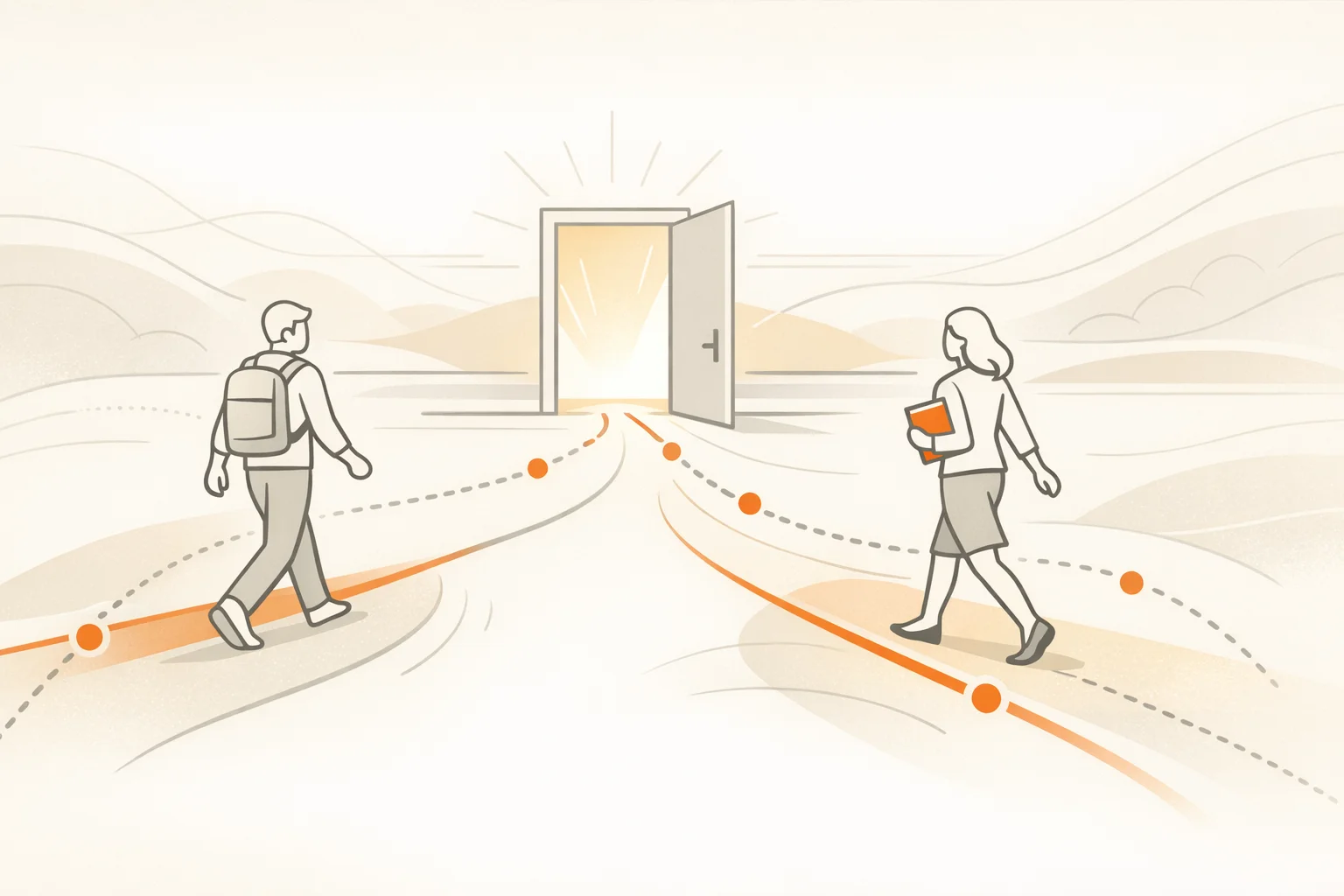
Helping new employees settle into a new company isn’t about cramming names and policies into a single morning. It’s about turning passive attendance into active participation. In our experience, the orientations that stick do four things quickly: clarify the role, make the culture feel real, spark genuine connection, and create an early win.
Most teams try to do all of that with paperwork, slide decks, and a few quick intros. You can feel the energy drain by 10:30 a.m. The ideas below keep the essentials, but add motion, choice, and moments that people remember for the right reasons.
A pattern we keep seeing: small design choices on day one echo for months. A thoughtful seating choice, a pre-scheduled manager check-in, a first-day challenge that’s actually winnable. None of this requires a stage or a budget line. Just intent.
You don’t need all 25. Pick a balanced set that covers the four outcomes. Keep any single segment under roughly 20 minutes. If you’re hybrid, assume half the group is remote and design for that first. Then make small, local upgrades for in-person.
Emails and even handwritten notes are in, but companies like Twitter remind us that a small, tangible welcome still lands. Keep it useful and culture-forward: a note from the manager, a water bottle, a local coffee card, a book that says something about how you work. For branded basics, Poppin has clean, customizable options.
Large welcome lunches create polite conversation, not connection. Split people into rotating tables of four or five with a quiet prompt on each table to spark real stories. Schedule two or three across the first week so faces become names.
A well-built scavenger hunt makes people move, ask, and learn by doing. Use a mix of photo, trivia, GPS, and QR challenges tied to real workflows, values, and locations. This is where Scavify naturally shows up: browser or app, live leaderboard, and challenge variety keep energy high without creating work for the facilitator.
Nobody quits a game they’re winning. Design the first challenge to guarantee a win.
Happy hour has its place. But a quick game — kickball, pickleball, even a goofy relay — breaks cliques and creates new inside jokes. If you’re feeling ambitious, yes, some teams even explore renting a minor league park for a one-off memory.
Don’t cluster newcomers together. Pair each person with a seasoned, patient neighbor who can answer the dozens of quick questions that feel too small for Slack. The right seat can be a silent safety net.
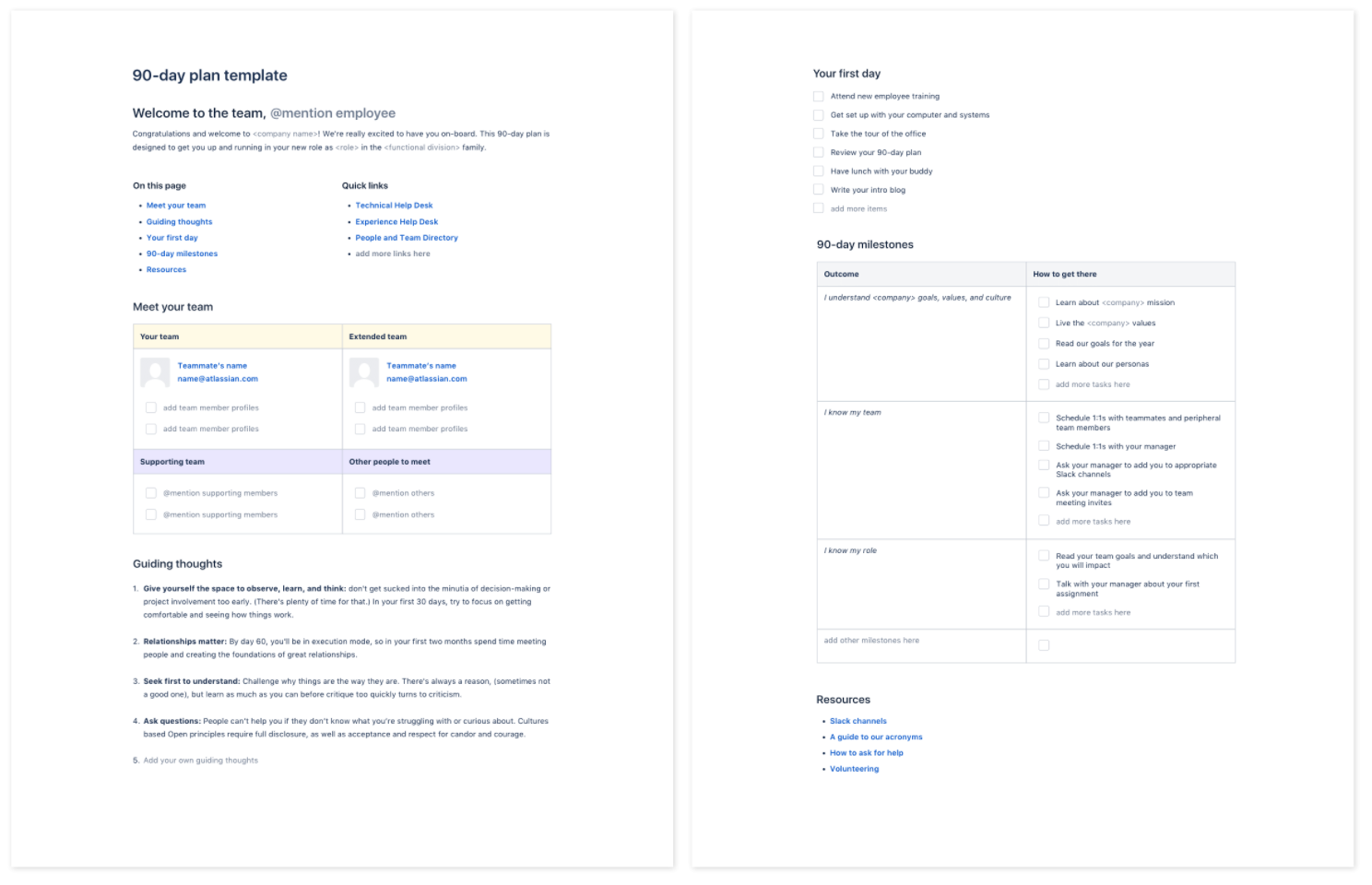
Skip the vague ramp timeline. Co-create a living plan with the manager on day one: outcomes, early milestones, and where to go for help. If you want a starting point, Atlassian’s 90‑day plan is a clean template to adapt.
Reduce first-day anxiety by sending a quick virtual tour in advance. Firms like EY set expectations early so nobody spends 15 minutes lost in the lobby. Google’s intern preview is still a classic reference.
A signed card. A snack you learned about from their pre-boarding survey. A printed photo of the team they’re joining. Not lavish — just thoughtful. If you’re issuing devices, don’t make day one a scavenger hunt for chargers.
Collect the things people will reference for the next year: pronunciation, preferred name, birthday, dietary notes, favorite treat, and “ask me about.” Templates like these from SurveyMonkey are a useful start, but the value comes from managers and teammates actually using the answers.
Instead of awkward icebreakers, build a bingo card of real conversations: “Met someone from Support,” “Found the best quiet corner,” “Scheduled coffee with a Director.” Offer tiny prizes for lines and a team reward for a blackout.
Mark where folks grew up, studied, or love to travel. New hires add their pins and stories. It’s a low-effort, high-connection hallway magnet for the next few months.
Post short profiles with a human angle and a photo they like. Keep it lightweight and opt‑in. It accelerates those “I know you from somewhere” moments in the halls and in Slack.
Three short check‑ins beat one long debrief. Put them on the calendar before day one. Research consistently finds that manager involvement upgrades the onboarding experience; Microsoft’s WorkLab found new employees were far more likely to be satisfied when managers played an active role. Read the summary in Microsoft research on hybrid onboarding. (microsoft.com)
A peer buddy catches questions managers never see and unlocks the informal “how we actually work.” Buddy programs show measurable gains in satisfaction and speed to confidence, especially in hybrid settings, as reported in Microsoft’s onboarding research. (microsoft.com)
Ten minutes each with Legal, Finance, Support, and Sales Engineering. Not for deep dives — for context and names. People make better decisions when they know who to ask, not just what to do.
A 20‑minute, cameras‑on conversation with one senior leader who answers unfiltered questions about strategy, tradeoffs, and what “good” looks like here. Keep it honest. People can smell rehearsed lines.
A small, visible result changes how people remember day one. Examples: publish a short intro post, submit a tiny pull request, log a customer compliment, or complete the first micro‑training and earn a badge.
Make access the hero, not the hurdle. Give each new hire a simple checklist — SSO, key tools, key channels — and stamp it as they gain entry. No scavenger hunt for permissions. Finish the set by noon if you can.
Let new hires shadow a customer call, a support triage, or a marketing stand‑up. Context early prevents rework later. Keep it under an hour and make reflection part of the time.
Skip posters. Ask three tenured employees to tell a 90‑second story of a value in action — the constraint they faced, the tradeoff they made, the result. It’s how culture becomes practice.
Give your #introductions channel a nudge: “Post a picture of a hobby,” “Share one ‘teach me’ topic,” “Tell us the tool you can’t stop recommending.” Managers and buddies should reply with quick emoji and a hello.
Teach a two‑minute product demo anyone can do by the end of day one. Confidence grows when new hires can show their family what they learned that day.
A recorded support call or a short customer video beats a dozen slides. It aligns priorities fast and reminds everyone why the work matters.
If it fits your culture, add a 30‑minute micro‑service option: pack hygiene kits, write notes for a nonprofit partner, or assemble teacher supplies. Shared purpose connects faster than small talk.
Invite each new hire to record a short hello: name, role, one fun thing. Stitch into a 90‑second montage you can replay in the next all‑hands and share in the onboarding channel.
| Element | Interactive orientation | Slide‑deck day |
|---|---|---|
| Energy over the day | Stays steady with activity variety | Drops after first hour |
| Connection density | Many short, real interactions | Few awkward group intros |
| Recall a week later | Anchored by memorable moments | Blurry list of slides |
| Manager involvement | Pre‑scheduled touchpoints | “Swing by if you need me” |
| First‑day accomplishment | Designed early win | No tangible outcome |
How long should orientation last? One concentrated day with planned follow‑ups across the first week works well. SHRM recommends spreading information over several days to avoid overload. See the SHRM onboarding process for structure ideas. (shrm.org)
Do we really need a buddy and a manager check‑in? Yes. Manager involvement and buddy support are different levers, and both matter, especially in hybrid settings, per Microsoft’s onboarding insights. (microsoft.com)
What should we prioritize on day one? Role clarity, human connection, and one tangible win. Compliance tasks still happen, but don’t let them dominate the schedule.
How do we handle remote hires? Design for remote first: ship the welcome kit, run the scavenger hunt via app, use virtual tours, and move small‑group lunches to video with meal stipends.
What if we can only change one thing right now? Pre‑schedule the manager check‑ins and assign a buddy. Gallup’s research found only a small minority strongly agree their organization onboards well, and the biggest deltas come from human touchpoints. See Gallup’s onboarding article. (gallup.com)
How do we measure success? Track completion of early milestones, first‑week NPS or check‑in survey scores, and whether new hires can explain their role and priorities by Friday. Over the quarter, watch ramp to contribution and network growth.
Orientation isn’t a ceremony; it’s the opening scene. In our work building interactive experiences, the teams that win treat day one as a designed moment, not an agenda. If a scavenger hunt or app‑based challenge fits your culture, Scavify makes it simple to mix challenge types, automate scoring, and run it in a browser or on phones. Start small, design for motion, and give every newcomer a story worth telling by lunch.