Solutions
Your first hunt, live this afternoon.
Free to start · No download for participants
Use virtual fall team building activities to create real participation, with clear instructions, timing, group-size guidance, and cozy low-prep options.
Crisp weather helps. So do rituals. Fall gives you both. The season arrives with built‑in themes people already understand: cozy, playful, a little spooky, a little grateful. That matters online where attention drifts fast. Lean into the season and you get easy context, clearer prompts, and events that feel less like “mandatory fun” and more like something people would choose.
We’ve run enough remote activations to see the same pattern: small wins early, light structure, and a clear finish beat big productions every time. Do it right and you don’t just “boost morale.” You create moments that build trust and shared references teams use later when the work gets real. Research on distributed work keeps underlining the point: connection and clarity are the levers that move performance. (hbr.org)
Fall is also the right time logistically. People are back from summer, not yet in full holiday crunch, and your calendar still has room. Use it.
A fast, low‑prep kickoff that asks people to capture one image that says “fall” where they are, then share the story behind it.
How it works. Post 3 prompts in chat. Everyone has 3 minutes to grab one photo. Back in the main room, volunteers show one picture and give a 20‑second story.
Good for. Cross‑time‑zone teams, camera‑shy folks, groups that need a gentle on‑ramp.
Timing & group size. About 10 to 20 minutes; whole group or breakouts of 4 to 6.
Prompts to use. “Color that didn’t exist last month.” “Coziest corner.” “Something I only notice in fall.”
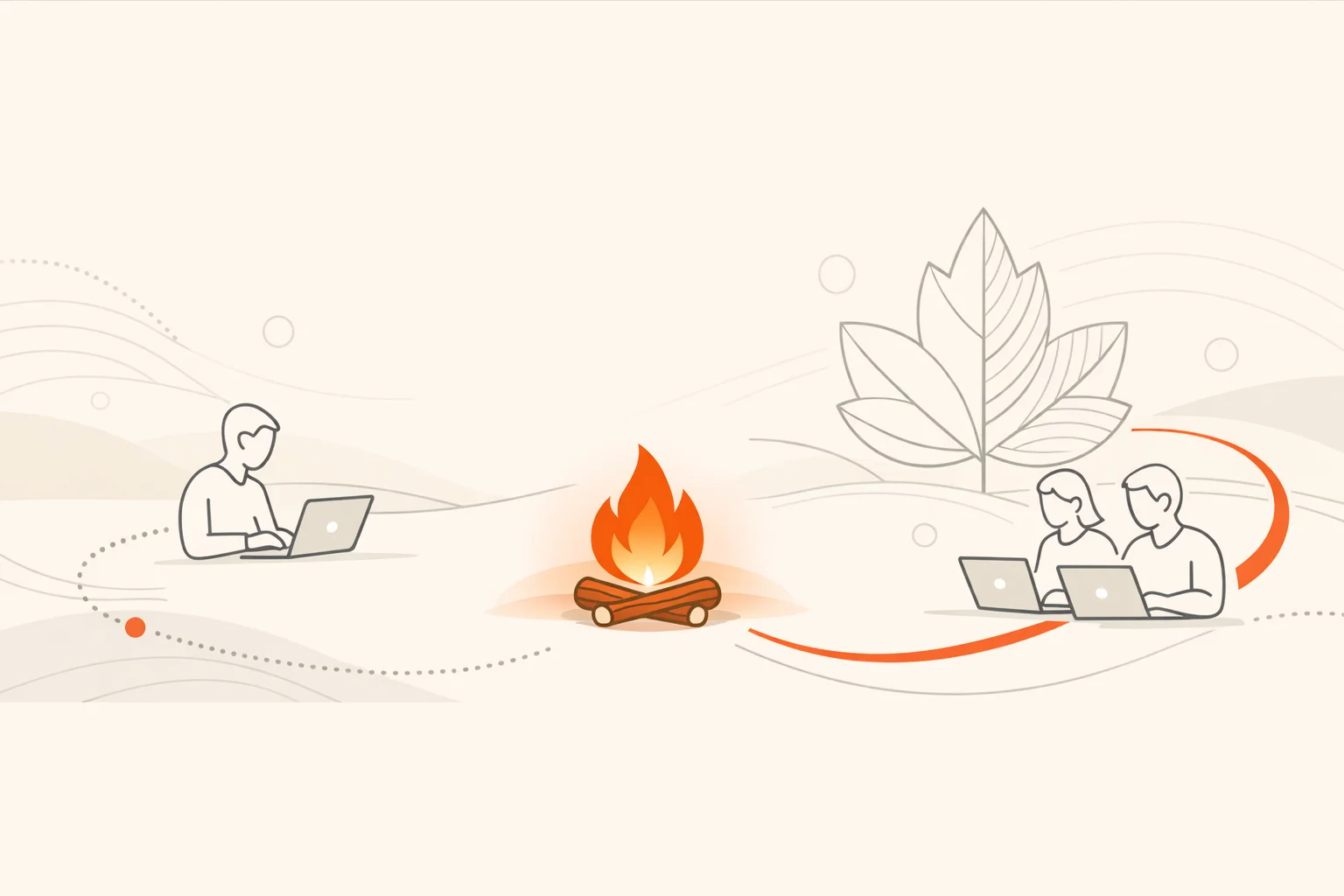
Create a digital campfire moment. Think 90 seconds of setup, two rounds of micro‑stories, optional s’mores at home.
How it works. Everyone turns off overhead lights and uses a desk lamp for “campfire glow.” Host offers two 60‑second prompts: “A time autumn surprised me” and “The spookiest thing that happened on a workday.” Rotate 3 to 4 shares per breakout.
Kits or no kits. Mailing s’mores kits is fun, but not required. Holding the vibe matters more than the sugar.
Why it works. Swift trust forms when people exchange small, specific personal details, not grand speeches. That’s consistently echoed in research on virtual teams. (hbr.org)
Timing & group size. 15 to 25 minutes; breakouts of 4 to 5.
Food is a shortcut to connection. Do a fast recipe exchange with a live, minimal‑effort cook‑along.
How it works. Ask people to submit 3‑ingredient, 15‑minute fall snacks ahead of time. Publish a simple PDF zine. On the day, vote in chat for which snack to make. Everyone cooks together or narrates while off‑camera.
Access matters. Offer non‑alcoholic, dairy‑free, and low‑sugar options by default.
Timing & group size. 30 to 40 minutes total; works for groups of 6 to 60 with breakouts for plating and reveals.
Why it works. You’re creating a shared micro‑ritual. Teams with clear rituals and human moments report stronger connection, which links to better outcomes in large engagement studies. (gallup.com)
A seasonal scavenger hunt turns passive attendance into active play. Run it live in a meeting or as a week‑long background challenge.
How it works. Give a list of short photo, video, GPS, QR, and trivia tasks people can complete at home or on a short walk. Automate points and show a live leaderboard to keep the energy up. Scavify’s browser‑plus‑app approach makes it easy to include everyone without downloads, and if a scavenger hunt app fits your culture, the automation removes most manual scoring and chasing.
Timing & group size. 25 to 45 minutes live, or async across 3 to 5 days. Scales to hundreds because submissions and scoring are handled in‑app.
Run it as a live sprint. Kick off in Zoom, give 3 to 5 minutes per block, and end with a fast highlight reel.
Why it works. It blends synchronous hype with asynchronous flexibility. That mix is friendlier to hybrid schedules, which broader research shows can improve satisfaction and retention without damaging performance. (gsbpreserve.stanford.edu)
Trivia is familiar. The fall spin keeps it fresh.
How it works. Build 3 short rounds: seasonal foods, pop culture, and global autumn traditions. Use quick polls for fast scoring and breakouts for team huddles.
Timing & group size. 20 to 35 minutes; teams of 4 to 6.
Keep it inclusive. Balance questions so different ages and regions can contribute.
Research note. Light, recurring connection beats one‑off spectacles. Microsoft’s ongoing Work Trend findings point to sustained rhythms over sporadic events. (microsoft.com)
Carving is optional. Decorating a mini gourd with markers works. So does a digital canvas if shipping isn’t in the cards.
How it works. Mail mini pumpkins or ask people to bring anything spherical. For a no‑ship route, use a shared whiteboard or a simple design tool for “digital pumpkins.” Run a 12‑minute build sprint, then 60‑second showcases.
Categories. Coziest, Spookiest, Most On‑Brand, Best Team Reference.
Timing & group size. 20 to 30 minutes; whole group with quick voting.
A lightweight way to mark the season of thanks without forced vulnerability.
How it works. Create a one‑slide mural with three prompts: “Thanks to a teammate for…,” “A customer/user I appreciate because…,” “A small win I’m proud of.” People add one sticky each. End by spotlighting a few.
Timing & group size. 10 to 20 minutes; any size.
Why it works. It ties recognition to actual work and users, not just feelings. That keeps it grounded and useful later.
Micro instead of mega. Two or three bite‑size logic puzzles with a fall or light‑spooky theme wake up brains without draining the room.
How it works. Share a simple PDF or web puzzle pack. Teams solve in breakouts and drop answers in chat. Reveal a final code together.
Timing & group size. 15 to 25 minutes; teams of 3 to 5.
Make it yours. Hide inside jokes in the puzzles to reward institutional knowledge.
Turn the season’s generosity into action with a light, points‑based challenge people complete on their schedule.
How it works. Offer a list of 10‑minute options: write a thank‑you note to a community helper, clean a small public area, donate a winter item, transcribe a historical document online. People post a single proof photo.
Timing & group size. Run for one week. Works across time zones and busy calendars.
Why it works. It’s meaningful without being heavy. And it gives your internal comms team genuinely good material for the weekly update.
Short days, busy quarters. Keep it simple.
How it works. Build a 5x5 card with small habits: “15‑minute daylight walk,” “stretch during a meeting,” “swap one afternoon coffee for water,” “sleep with screens out of the room once.” Draw 3 squares at kickoff and give everyone 48 hours to complete a line.
Timing & group size. Two days async, plus a 10‑minute recap.
Research signal. Across different sources, connection and wellbeing tie to better collaboration and retention. Seasonal micro‑habits make the abstract concrete. (gallup.com)
The best virtual events feel like rituals, not productions.
Most post‑event surveys are too vague to be useful. Make yours practical.
This is in line with a growing body of work showing that clarity plus connection supports performance in hybrid environments. (microsoft.com)
Aim for a tight 25 to 45 minutes for live sessions. Longer formats can work when anchored by breaks and visible progress, but short wins earn better attendance and attention.
Small groups make it easier for more voices to be heard. Four to six is a sweet spot for most activities without creating dead air.
No. Shipping can add delight, but every idea above has a no‑ship route. If you do ship, keep options inclusive and light to avoid customs and dietary friction.
Not if you design for them. Use prompts with thinking time, allow off‑camera participation during creation phases, and collect optional async submissions so people can contribute without performing.
Blend a short live kickoff with async follow‑through, then a short live wrap. Duplicating the live segment 8 to 12 hours apart also works for truly global teams.
Measure shifts in perceived connection and clarity, plus one observable behavior you want more of. Tie it to your team’s actual work, not a generic “fun score.”
Flat events usually share three traits: unclear win conditions, too much whole‑group airtime, and no visible progress. Fix those first. Research on virtual teams supports smaller groups, clear goals, and structured knowledge sharing. (hbr.org)
Make fall your lightest season to plan and your easiest season to win. Use clear, compact formats. Put early wins on rails. Mix live bursts with async flexibility so more people can actually join. Then ship one artifact everyone will see again.
Do that and you’ll get what the season promises: warmer teams, cooler heads, and rituals you’ll reuse when deadlines heat up again.