Solutions
Your first hunt, live this afternoon.
Free to start · No download for participants
Explore employee appreciation day with standout examples, selection guidance, setup steps, mistakes to avoid, and ideas you can adapt quickly.
Employee Appreciation Day lands once a year, but the best teams treat it like a spark, not a grand finale. The day surfaces something simple and stubbornly true: specific, human recognition changes how people feel about their work. Get that right and the format almost doesn’t matter. Get it wrong and even champagne tastes flat.
If you’re planning for 2027, this guide gives you the date, the playbook, and ideas that hold up in real rooms with real constraints. It leans on what decades of research keep confirming about recognition and motivation, then translates that into clear steps you can run without weeks of prep.
By the end, you’ll have a plan you can ship. And a team that actually feels appreciated, not managed.
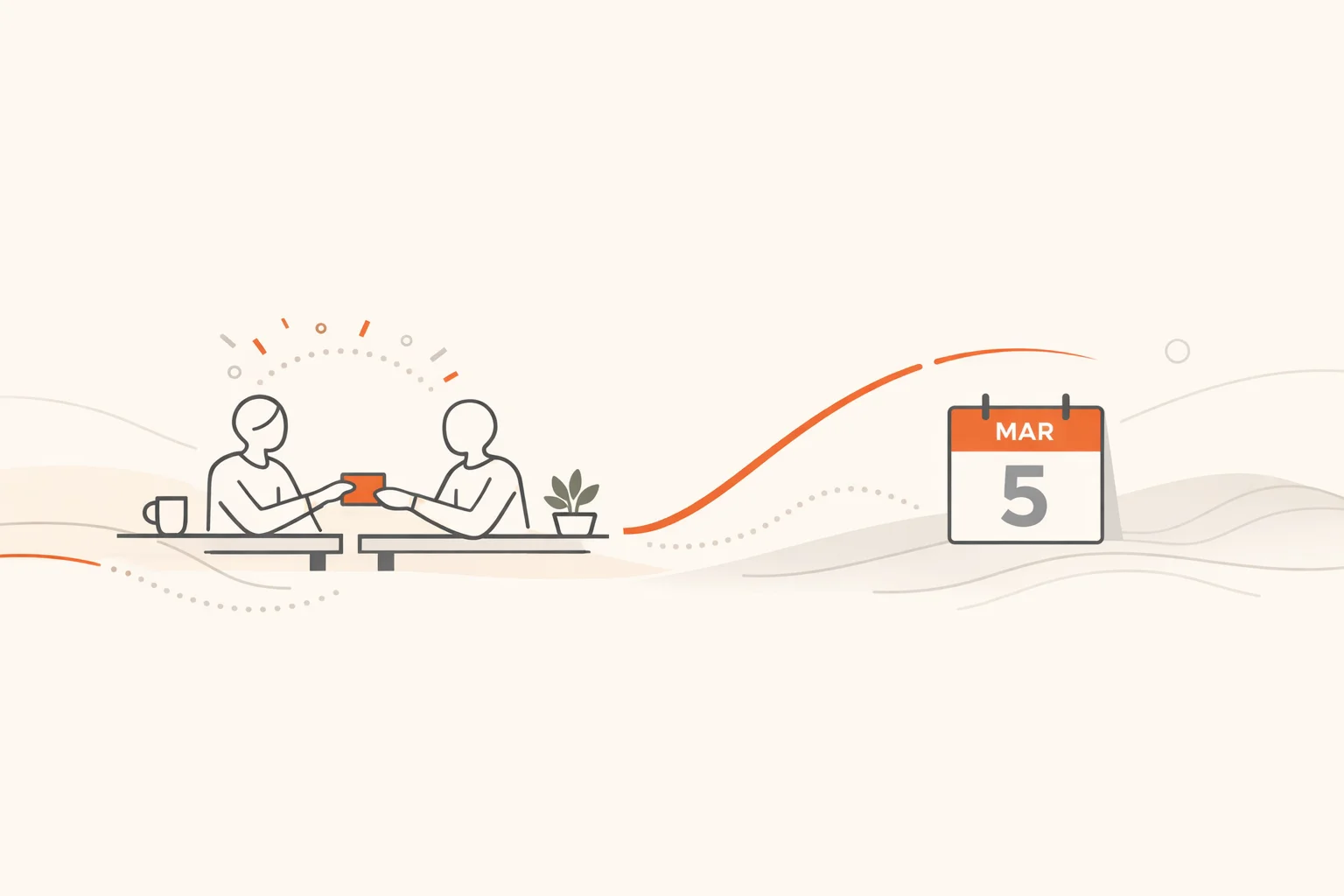
Employee Appreciation Day is observed on the first Friday in March. In 2027, that date is Friday, March 5. Treat this as an anchor, not a limit. The best outcomes come from a steady trickle of appreciation before and after the day, with March 5 as the visible moment in the middle. (timeanddate.com)
Two useful truths to plan around:
A pattern we keep seeing: recognition lands when it’s specific, earned, and visible to the right audience. It fizzles when it’s vague, late, or performative. That lines up with long‑running findings from Gallup and others: employees who aren’t adequately recognized are roughly twice as likely to say they’ll leave within a year, and high‑quality recognition correlates with improved retention. (gallup.com)
Zoom out for a second. Healthy cultures aren’t built on gift cards alone. Psychological health and day‑to‑day experience matter more than any single event. APA’s recent Work in America reporting ties toxic climates to significantly worse mental health outcomes, while credible HR research bodies like CIPD continue to highlight recognition as a practical lever inside broader engagement systems. Use the day to reinforce those systems, not replace them. (apa.org)
Recognition is a behavior design problem disguised as a party.
If you want one handy rule: make the appreciation about the behavior and its impact, not the personality. “Your release checklist caught a nasty dependency and saved us a customer call” teaches the team what to repeat.
Work backwards from Friday, March 5, 2027.
45–30 days out
21–14 days out
7 days out
1–2 days out
Day 0
Most teams don’t need big budgets; they need good taste and logistics that respect people’s time. Here’s a simple framework to right‑size your plan.
Good: <$15 per person
Better: $15–$50 per person
Best: $50+ per person
Shine a light on backstage work. Invite people to post one recent “save” by a teammate and what it unlocked. Display a simple network map during the event so the quiet connectors get seen.
Bring the customer voice into the room. Read or play 5 short customer notes, each linked to a specific internal behavior. Recognition feels truer when the outside impact is clear.
Ask teams to bring one artifact that represents a recent win: a sketch, a log snippet, a before/after. Five‑minute walkthrough, then gift a simple frame for each.
Six employees, five minutes each, one trick they use to do better work. Record them and build a searchable library. Tie recognition to teaching, not just outcomes.
Run a fast, mixed‑challenge hunt that rewards real gratitude: photos of behind‑the‑scenes work, short shoutout videos, and quick trivia about recent releases. Use a scavenger hunt app so prompts, submissions, and scoring don’t eat your day.
Leaders cover an hour of frontline or support work. Employees redeem that time for learning, deep work, or rest. Publicly appreciate what you learned while covering.
Pre‑addressed cards or e‑cards with prompts: behavior, why it mattered, impact. Managers seed a few to normalize specificity.
Opt‑in pairings across functions with three appreciation prompts. Keep it to 15 minutes, max. Share one anonymized highlight later.
Flip the script. Juniors teach leaders one tool or practice they rely on. Leaders close by naming the behavior they appreciated in the session.
Offer a menu, not a mandate: stretching corner, quiet room, walking path map, meditation session, or no‑meeting window. Pair it with recognition for sustainable work habits.
Invite ideas for small process or tooling improvements. Approve a few on the spot and recognize the people who surfaced them.
People write a short appreciation in advance for the help they’ll need in the next quarter. It normalizes asking and creates a visible network of support.
Structured interaction beats unstructured mingling, especially across locations. A short, well‑designed hunt makes appreciation active, spreads the spotlight, and creates real artifacts of gratitude your comms team can share next week. In our experience, variety is the key: blend photo, video, QR, GPS, and trivia so different skills count.
If you want automation, live leaderboards, and browser‑plus‑app flexibility at any scale, Scavify shows up naturally here with challenge variety and light ops lift so you can focus on the people, not the admin.
Remote teams appreciate the same things, just with clearer logistics. Keep the time zones humane and the recognition specific.
A simple cadence that works:
Evidence continues to back this approach: strategic recognition and meaningful feedback move engagement and retention in the right direction when they’re part of everyday work, not just events. (gallup.com)
Keep mics moving. Skip the long “state of the union.” Capture two quotes and two artifacts for next week’s comms.
You don’t need a PhD or a 50‑item survey. Track a few signals that matter next week, not just on the day:
This lighter approach mirrors where the research points: recognition’s value shows up in engagement, retention, and wellbeing when it’s high‑quality, ongoing, and tied to real contributions. (gallup.com)
Use, adapt, or steal these. Keep them tight and specific.
What day is Employee Appreciation Day in 2027?
Employee Appreciation Day 2027 is Friday, March 5. The observance is always the first Friday in March, so it shifts year to year. (timeanddate.com)
How do we avoid it feeling performative?
Make recognition specific, timely, and connected to real work. Pair public moments with private options. Research and practice both show that quality and alignment matter more than volume. (gallup.com)
What if we have multiple time zones?
Run one brief live moment, keep most activities async, and duplicate small experiences (snacks, notes) to arrive the same week for everyone. The goal is timing fairness, not simultaneity.
Is there a recommended budget?
There isn’t a magic number. We see more lift from useful gestures and time gifts than from pricey one‑offs. Give people choice and keep logistics light. Credible HR groups note that recognition’s impact comes from design and consistency, not spend. (cipd.org)
What should we do the week after?
Announce one small, recurring recognition ritual and share two concrete stories from the day. Momentum matters more than volume. The Gallup‑Workhuman findings reinforce that ongoing, high‑quality recognition is what moves retention and engagement. (gallup.com)
Are gifts necessary?
Not always. Many people prefer time, autonomy, or learning over stuff. If you offer gifts, keep them useful and let employees choose from a small menu.
Final thought: treat March 5 as your visible midpoint. Use it to show people you see the work that actually makes the work possible. Then keep going next week.