Most articles about “gamification techniques” recycle the same list of points, badges, and leaderboards. That’s not useless. It’s just incomplete. Techniques only work when they are matched to real human motivation, a clear target behavior, and rules that make effort feel meaningful. Get that right and the mechanics are simple to choose. Get it wrong and even a gorgeous system turns into performative busywork.
What follows is a field guide to the techniques that reliably move behavior, plus practical ways to implement, measure, and keep them healthy over time. It’s written from the operator’s seat: the patterns we keep seeing across team programs, trainings, events, and brand activations, and the adjustments that change everything.
- Pick mechanics after you define the specific behavior and constraint, not before.
- Map every technique to a primary motivation — autonomy, competence, or relatedness — to avoid shallow engagement.
- Favor relative, team, and tiered boards over global leaderboards to reduce demotivation for most players.
- Instrument leading indicators (attempts, completions) and lagging outcomes (retention, quality) from day one.
- Run in seasons with small balance tweaks, not big redesigns, to sustain energy without chaos.
What “gamification techniques” really means
Gamification means using game design elements to make non-game work feel winnable. It is not building a video game. Strong systems are built around a handful of motivations that consistently predict sustained participation: autonomy, competence, and relatedness. That’s Self‑Determination Theory in a sentence, and it’s the anchor we return to when deciding whether a mechanic actually fits the job at hand. See the concise overview of those needs on Self‑Determination Theory.
Two adjacent models keep design grounded:
- MDA framing: mechanics create system dynamics that produce the aesthetic experience you want. If the experience you’re getting (rushed, confused, bored) doesn’t match the intent (mastery, curiosity, connection), change the underlying mechanics. The original paper is a quick, useful read: MDA framework.
- Behavior models: start with the behavior, not the mechanic. Is the person able and motivated at the exact moment of the prompt? The Fogg Behavior Model and the COM‑B model are blunt but effective for this “diagnose before design” step.
Mechanics, dynamics, motivations: how techniques drive behavior
Well-chosen mechanics serve a psychological job:
- Competence gets momentum from visible progress, calibrated challenge, and fast feedback.
- Autonomy is supported by choice, meaningful options, and the ability to recover from a miss without losing everything.
- Relatedness grows through collaboration, recognition, and fair social comparison.
For more on why these three needs predict durable engagement, see basic psychological needs.
Nobody quits a game they’re winning. The first minutes exist to make everyone feel like they can win.
Where gamification works and where it quietly fails
Patterns we keep seeing:
- It works when the target behavior is concrete (complete X practice reps, visit Y booths, submit Z verifications) and the environment allows it.
- It fades when mechanics reward loopholes instead of the real work, or when social comparison humiliates the middle.
- It backfires when points and badges try to replace a broken task. Fix the task first.
Meta‑analyses consistently show positive but design‑dependent effects in learning contexts. See the educational review in Educational Research Review and the open‑access meta‑analysis of behavior change effects in education (Education Review meta‑analysis; behavior change meta‑analysis). Translation: technique choice and implementation quality decide outcomes, not the buzzword on the slide.
Watch out
Over‑reliance on a single mechanic (global leaderboard, anyone?) concentrates status and drains motivation for everyone else. Use tiers, teams, or personal‑best ladders to distribute wins.
Progress and mastery techniques that build momentum
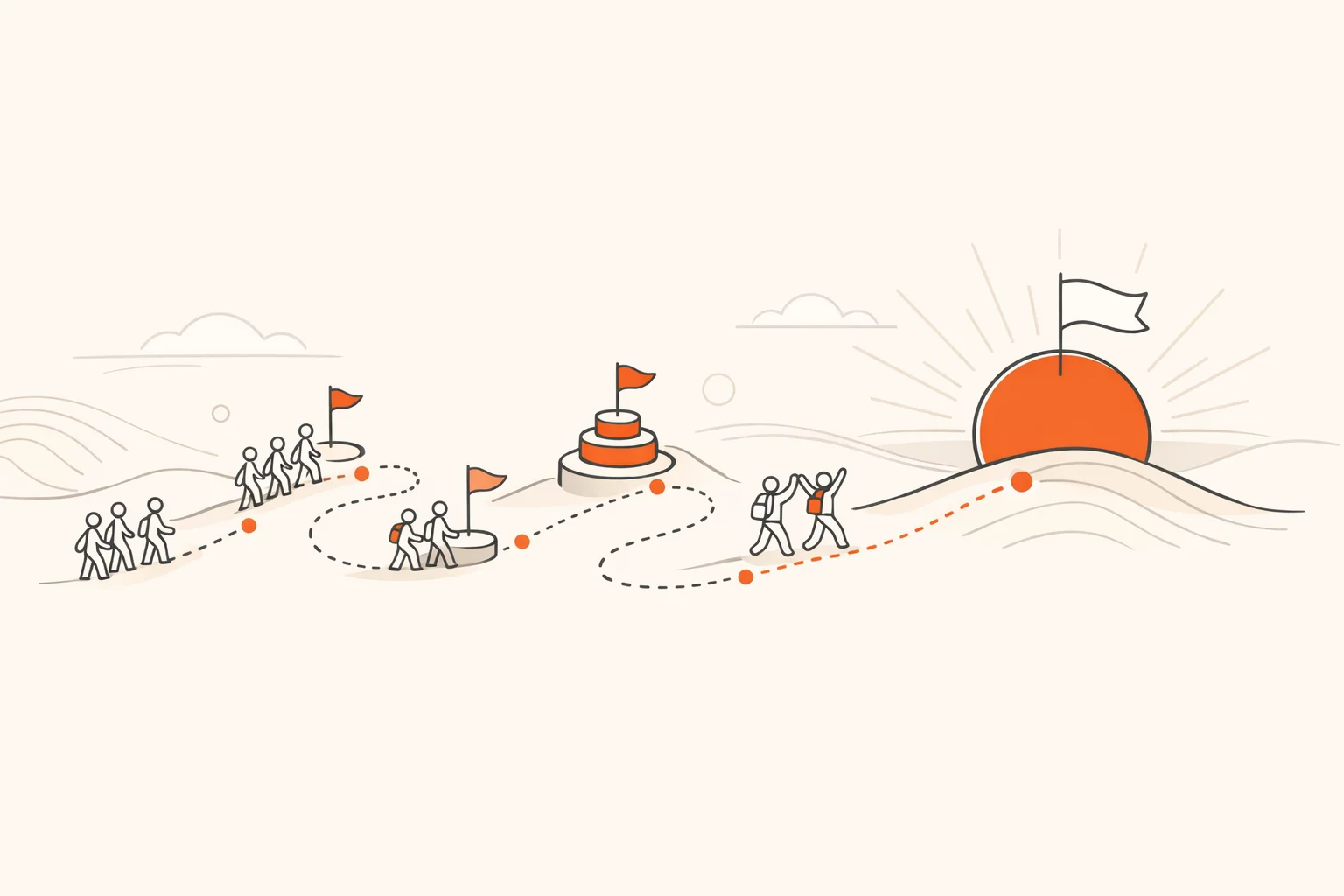
Progress signals are gasoline for competence. Use them to make effort feel like motion.
- Progress bars and checklists: Make completion tangible. Place early items that everyone can finish in minutes to create an immediate win. Goal‑gradient effects are real: effort typically rises as people feel closer to a goal. For background, see research on the goal‑gradient and endowed progress effects (goal‑gradient in marketing).
- Levels and skill bands: Separate cosmetic levels from capability. Tie levels to demonstrated skills or milestones, not just time spent.
- XP and advancement thresholds: Use XP for pacing and to unlock meaningful capabilities, not just vanity icons. Keep thresholds smooth to avoid mid‑journey stalls.
- Checkpoints and sub‑goals: Break big goals into callable chunks. Sub‑goals maintain velocity through the messy middle.
Feedback and reinforcement that teach faster
Feedback turns attempts into learning. Reinforcement shapes repetition. The implementation details matter.
- Immediate, specific feedback: Confirm success, reject gracefully, and show exactly what to fix. This is how competence grows.
- Points and scoring: Use as feedback, not currency. Weight points by behaviors that correlate with quality, not just speed.
- Badges and achievements: Treat them like signals of mastery. Fewer, harder, clearer is better. Avoid rewarding bare attendance.
- Rewards and schedules: Fixed rewards drive predictability; variable rewards can maintain interest if used sparingly and ethically. A quick primer on reinforcement schedules is here: operant conditioning (OpenStax).
Pro tip
If you add rewards, make the first one fast, the next few steady, and the long‑term path transparent. Surprise is seasoning, not the meal.
Social energy that scales participation
Social mechanics deliver relatedness, recognition, and gentle pressure.
- Relative and local leaderboards: Compare people to similar peers or recent movers, not just the all‑time top. Evidence suggests mixed results for one‑size‑fits‑all boards; adaptive or local views tend to do better (systematic review of leaderboards in higher ed).
- Teams and co‑op goals: Let people win together. Team points, shared quests, and squad bonuses spread motivation beyond the usual suspects.
- Kudos and lightweight recognition: Public, specific praise beats generic badges. Micro‑recognition keeps momentum without inflating rewards.
Autonomy and choice that keep it voluntary
Participation rises when people feel in control.
- Branching quests and optional paths: Offer two or three ways to earn the next chunk of progress.
- Daily picks: Rotate a small set of featured tasks so people can choose their flavor of effort that day.
- Make failure recoverable: Allow make‑goods and safety nets so one miss doesn’t nuke weeks of effort.
Narrative and theme that make it memorable
Light narrative gives context and meaning without turning work into theater. A theme can be enough: a season name, a mission log, a “route” with named checkpoints. Narrative should never add friction to the core task.
Pacing and scarcity that create rhythm
Healthy systems breathe.
- Seasons and sprints: Run time‑boxed arcs with small balancing tweaks each season. The reset gives newcomers a fresh shot without invalidating long‑term mastery.
- Flash bonuses and windows: Short bonus periods can revive energy, best used to highlight under‑used content.
- Cooldowns: Cap repeatable actions to prevent grinding and improve quality.
Discovery mechanics that reward curiosity
A little mystery goes a long way.
- Hidden tasks: Reveal new options after key milestones to keep exploration alive.
- Easter eggs: Lightweight, rare finds that reward thoroughness. Small points, big smiles.
- Map reveals: If there’s a place involved, uncover zones as people move. Discovery is its own motivator.
Leaderboards used well (and what breaks)
Global, static leaderboards create one winner and a very long tail of demotivated participants. Better patterns:
- Tiered boards: Bronze, silver, and gold brackets refresh opportunities to place.
- Personal‑best ladders: Compare you to your last week. Everyone always has a shot.
- Team boards: Spread attention from individual dominance to team contribution.
Empirical work shows leaderboard effects vary widely by context and implementation. Reviews and new studies call for adaptive, local, or relative formats over absolute global ones (adaptive leaderboard feedback study; quasi‑experiment on leaderboard effectiveness).
Streaks that build habits without hostage tactics
Streaks are powerful because they turn repetition into identity. They are also fragile. Use them to celebrate consistency, not to hold attention hostage.
Use these guardrails:
- Grace windows and freezes: Allow occasional “life happens” misses. Duolingo’s public notes on streak design and tests show that small protections keep users coming back without erasing the value of consistency (improving the streak).
- Escalating value, not escalating panic: Make longer streaks feel special with light recognition, not punitive loss mechanics.
- Pair streaks with mastery checks: Don’t let streaks reward one‑tap churn. Tie to meaningful completions.
Implementation blueprint: from goals to launch
A practical build order we’ve seen work across programs:
- Define the target behaviors. Be precise. “Submit one verified safety observation weekly” beats “engage more.”
- Diagnose constraints. Use FBM or COM‑B to ask: is it ability, motivation, or opportunity we must change?
- Map to motivations. Select mechanics that primarily support autonomy, competence, or relatedness for each behavior.
- Design the rules. Scoring, cooldowns, anti‑cheat, grace policies, and content review live here.
- Shape the first 10 minutes. Land early wins. Teach the loop. Set a believable first goal.
- Instrument everything. Attempts, completions, time‑to‑complete, abandon points, reportable outcomes. Wire this before launch.
- Pilot with a cohort. Run 2 to 3 weeks with a cross‑section of users. Fix the top three friction points only.
- Launch in seasons. Light balance tweaks each season. Publish the changelog like a game would.
Measurement that proves real outcomes
Good gamification is measurable. Track:
- Leading indicators: activation rate, first‑day completions, repeat attempts, time between attempts, feature adoption.
- Quality indicators: accuracy, peer approvals, moderator flags, reflection notes.
- Behavior change: frequency and depth of the target action over time, not just participation minutes.
- Lagging business outcomes: retention, NPS delta, time‑to‑productivity, conversion, safety incidents avoided.
Meta‑reviews emphasize that design quality and alignment drive effect sizes. Don’t measure points; measure the behavior the points are supposed to improve (education meta‑analysis; behavior change meta‑analysis).
Anti‑cheat, fairness, and accessibility
- Verification: Random audits, peer approvals, or GPS/photo proofs when the stakes warrant it.
- Balance exploits out. Cap repeatables. Rotate bonus windows. Weight for quality.
- Accessibility: Alternate tasks for different abilities and contexts. Game feel should never exclude.
Real‑world examples that matter
These aren’t blue‑sky pitches. They’re in the wild, with mechanics worth copying carefully.
- Duolingo: Streaks, XP, and leagues anchor daily practice. Their own team has shared data on streak retention and A/B tests around consistency nudges. Useful reads: improving the streak and the Duolingo research hub.
- Starbucks Rewards: Points, tiers, and time‑boxed bonuses move purchase timing and frequency. The technique to note is how tiers shape perceived status without requiring everyone to race the same race every day.
- Fitbit and friends: Daily goals, weekly badges, team challenges, and social workouts are competence plus relatedness wrapped in light stakes.
- Khan Academy: Mastery points and skill trees map to visible progress and targeted practice. The structure matters more than the points.
- Conferences and field programs: Quests, check‑ins, and team play turn a schedule into a shared mission. This is where a purpose‑built scavenger hunt app shines because the challenge types, automation, live leaderboard, and reporting are already in place.
If your context is events, onboarding, or training
Gamification fits these because the target behaviors are concrete and verifiable. A few copy‑ready challenge examples to show the mechanics in action:
- Recreate the company’s founding photo with modern flair
- Scan the code only visible after the product demo
- Check in at the least obvious campus landmark
- Which policy changed most recently — and why
- Pitch a feature in 20 seconds using only props nearby
A simple comparison that keeps teams honest
| Design choice | Healthy gamification | Points‑and‑badges only |
|---|
| Motivation fit | Mapped to autonomy, competence, relatedness | Generic excitement, short‑term spikes |
| Leaderboard strategy | Relative, team, or tiered boards | Single global board |
| Progress design | Visible sub‑goals and early wins | Opaque grind |
| Reward policy | Transparent, occasional surprises | Random scarcity, FOMO reliance |
| Measurement | Tracks real behavior change | Tracks points and time spent |
| Operations | Seasonal balance tweaks | Set‑and‑forget |
A simple 90‑day pilot plan you can actually run
- Pick one team and one behavior with a clear operational impact.
- Instrument attempts, completions, time‑to‑complete, and quality checks.
- Choose 3 to 5 mechanics that map to motivation and constraints.
- Build the first ten minutes: a guaranteed win and a believable first goal.
- Run 2 weeks of pilot; fix the top three friction points only.
- Launch a 6‑week season with small balance tweaks at weeks 2 and 4.
- Close with a simple report: deltas on behavior, quality, and sentiment, plus a decision to scale, shelve, or adjust.
Quick answers to common questions
Do gamification techniques really work?
Yes, when technique, motivation, and behavior fit. Effects are positive on average but vary by design quality and context, as reviews show (meta‑analysis; open‑access review).
Are leaderboards good or bad?
Neither. Global, static boards help the top few and discourage the rest. Relative, team, or tiered boards distribute motivation better (systematic review).
Should we use variable rewards?
Use lightly and transparently. They can maintain interest but shouldn’t carry the system. Educate people about how to win; don’t make them guess (reinforcement primer).
How do we keep streaks healthy?
Offer grace windows, pair with mastery checks, and celebrate identity, not fear of loss. See Duolingo’s public notes on streak design (their streak write‑up).
What should we measure?
Leading indicators (attempts, completions), quality, and the specific downstream outcome you care about. Publish season‑to‑season balance notes like a game team.
Closing thoughts
Gamification techniques aren’t magic. They’re tools for making effort feel meaningful. Pick them after you’ve done the unglamorous work: define the behavior, diagnose the constraint, and line up the first ten minutes so everyone can win. When you do, you don’t have to manufacture excitement. The work becomes its own engine, and the game is just the shape that keeps it running.