Charitable team building turns a good afternoon into something that actually sticks. When people do purposeful work side by side, they reveal how they communicate, make decisions, and recover when things go sideways. The byproduct is better teamwork. The point is real help for someone else.
There’s data behind this. Purpose‑driven volunteer programs correlate with stronger engagement and retention, when they’re designed well and not treated like optics. Pieces from Harvard Business Review and recent trend reports from Benevity outline both the upside and the design choices that matter. (hbr.org)
In practice, the teams that get the most out of charity projects keep the scope tight, the instructions crisp, and the partner’s needs in front of everything else. That’s the operating system for what follows.
- Pick projects where success is obvious in 90 minutes or less so momentum never dips.
- Co-design with a nonprofit so output matches current need, not assumptions.
- Plan an explicit debrief; the learning happens when people name what worked.
- Favor repeatable formats that can scale from 10 to 200 participants predictably.
Here’s a field‑tested list of 24 charitable team building activities. Each includes quick guidance on impact fit, time, group size, prep, and a facilitation note drawn from what actually works in the room.
How to use this list
- Match the activity to a genuine need your nonprofit partner confirms this month, not last year.
- Choose formats you can execute safely with the space, time, and staff you have.
- Keep instructions visible at every station so nobody has to guess.
- Build a 10–15 minute debrief into the agenda while the experience is fresh.

1. Build‑a‑bike for kids
Give small teams a boxed bike, tools, a safety checklist, and a quality‑check station staffed by a local bike nonprofit.
- Confirm beneficiary lists with a youth services partner; deliver bikes the same day.
- Cap teams at four so everyone has a role: assembly, manual reading, safety check, final polish.
- Stage a mini safety rodeo for recipients if your partner approves.
- Facilitation tip: assign a “manual captain” so the loudest person doesn’t wing it.
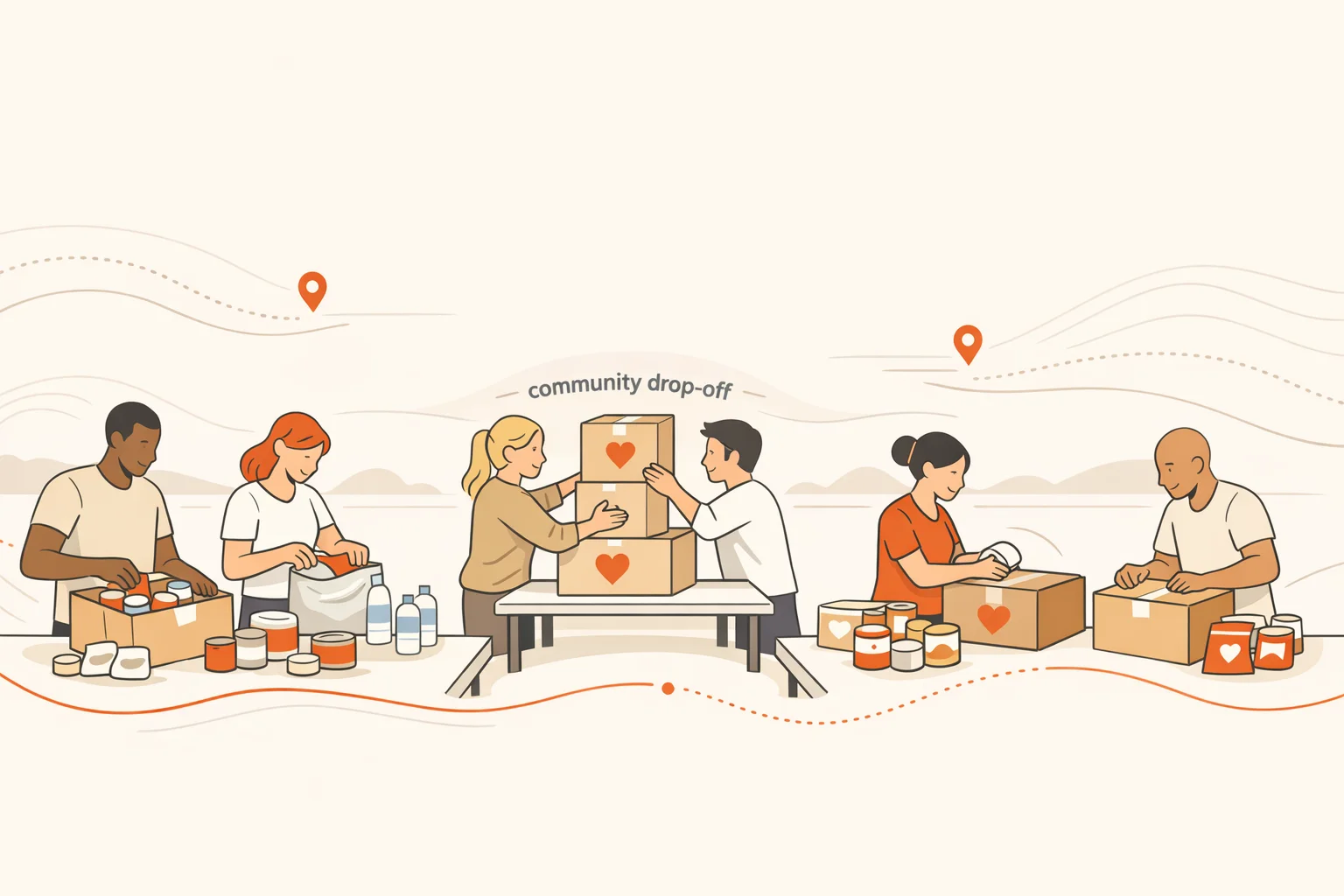
2. Pack hygiene kits for shelters
Participants assemble kits with soap, toothpaste, menstrual products, wet wipes, and a note card. Rotate roles so quality stays high.
- Ask the shelter which items are scarce right now and pack only those.
- Pre‑bag by category to speed flow; one table per item prevents crowding.
- Add a quality station to spot expired or torn packaging.
- Facilitation tip: set a shared goal, then celebrate passing it together.
3. Food bank sort‑and‑stock relay
Turn donation sorting into a compact relay with accuracy as the win condition, not raw speed.
- Coordinate with a food bank to align on sorting rules and labeling.
- Mix experienced volunteers with first‑timers on each team.
- Use tally boards that track both boxes completed and zero‑error runs.
- Facilitation tip: debrief how teams balanced pace with precision.
4. No‑sew blanket workshop
Make fleece tie blankets for hospitals, seniors, or animal shelters. Simple, social, and satisfying.
- Pre‑cut fabric to size to keep the event under 90 minutes.
- Pair less crafty folks with a confident cutter; rotate every blanket.
- Package with a short note if the partner allows messages.
- Facilitation tip: open with a one‑minute demo that shows common mistakes.
5. Back‑to‑school backpack assembly
Assemble grade‑specific packs with supplies confirmed by a school social worker.
- Color‑code bins by grade to cut errors.
- Add a quick quality check with a printed contents card.
- Deliver directly to the school’s counselor, not the front office.
- Facilitation tip: invite a teacher to share a two‑minute story at kickoff.
6. Career closet pop‑up
Collect, sort, and stage interview‑ready outfits for job seekers. Include lint rollers, belts, and neutral bags.
- Partner with a workforce nonprofit for size gaps and style guidelines.
- Train a “fit” team to assemble complete looks with accessories.
- Steamers and rolling racks keep flow moving and dignity high.
- Facilitation tip: frame this as confidence work, not a clothing drive.
7. Host a blood drive support squad
Not everyone can donate, but everyone can help a high‑impact drive run smoothly.
- Coordinate with your local blood center for requirements and space.
- Staff roles: check‑in, wayfinding, snack station, and post‑donation care.
- Recruit sign‑ups in advance with simple, direct messages.
- Facilitation tip: pair first‑time donors with experienced buddies.
8. Park, beach, or trail cleanup
Cleanups create visible wins quickly. Add micro‑goals and before/after photos.
- Work with parks staff for safety, disposal, and protected areas.
- Sort trash vs. recyclables; track weight or bags for impact reporting.
- Use small zones to keep teams together and accountable.
- Facilitation tip: rotate gloves and grabbers to avoid idle hands.
9. Volunteer at a charity race or walk
Races need course marshals, water stations, and finish‑line crews. Everyone learns to operate under time pressure together.
- Contact organizers early for roles and training.
- Place mixed‑department pairs together on the course.
- Debrief around communication under noise and time constraints.
- Facilitation tip: bring portable speakers to keep energy high at water stops.

10. Children’s hospital comfort carts
Assemble and deliver carts with approved items like coloring books, soft socks, fragrance‑free lotion, and parent snacks.
- Clear every item with hospital child‑life staff; infection control rules vary.
- Pack duplicates to restock after your visit window ends.
- Keep teams small and flexible; hospitals limit group sizes.
- Facilitation tip: rehearse a calm, upbeat delivery before entering care areas.
11. Senior tech help café
Host a drop‑in session where teams help seniors with phone settings, scams, and video calls.
- Partner with a senior center to recruit attendees and pick topics.
- Create mini lesson cards so help stays consistent.
- Staff a triage table to route questions by difficulty.
- Facilitation tip: slow is smooth; emphasize patience over throughput.
12. Literacy read‑a‑thon fundraiser
Teams read to kids at a library or school and collect pledges tied to minutes read.
- Coordinate with librarians or teachers for reading levels and book lists.
- Keep session blocks to 15 minutes; rotate readers often.
- Track minutes visibly to motivate classrooms and teams.
- Facilitation tip: stick to inclusive books approved by your partner.
13. Freezer‑meal cook‑up
Cook simple, nutritious meals in bulk with a community kitchen partner. Label clearly for dietary needs.
- Choose two recipes with overlapping ingredients to simplify.
- Run stations: chop, cook, portion, label, and pack.
- Confirm container types the nonprofit can reheat or distribute.
- Facilitation tip: appoint a food‑safety lead with thermometer in hand.
14. Little Free Library build and stock
Build and paint small libraries, then stock them with age‑appropriate books.
- Use simple kits; pre‑drill holes to keep things safe and fast.
- Source books from partners that accept like‑new quality only.
- Map installation sites with neighborhood groups.
- Facilitation tip: set a paint palette in advance to avoid mud‑brown surprises.
15. Pet shelter enrichment lab
Make dog tug toys, cat scratch pads, and treat puzzles. Quick builds, huge animal benefit.
- Ask the shelter what enrichment items they’ll actually use this quarter.
- Standardize lengths and knots so staff can replicate later.
- Package items in labeled batches by animal size.
- Facilitation tip: play short adoption‑success clips during the build to anchor meaning.
16. Community garden workday
Weed, mulch, plant, harvest, and build raised beds. Tangible impact, visible progress.
- Confirm tasks with the garden manager; some work is seasonal.
- Split roles into light and heavier duty to keep everyone included.
- Photograph plot markers before and after for reporting.
- Facilitation tip: start with a quick tool‑use demo to prevent blisters and bent trowels.
17. Home repair or build day
Support a housing nonprofit with painting, landscaping, or light repairs under staff supervision.
- Follow the partner’s training and safety brief to the letter.
- Keep crews small with a clear task owner at each station.
- Stage materials the day before to avoid idle time.
- Facilitation tip: close with homeowners’ stories if they’re comfortable sharing.
18. Accessibility audit walk
Teams use a simple checklist to note curb cuts, door widths, signage, and tripping hazards near your office.
- Co‑design with a disability advocacy group for criteria and tone.
- Capture findings with photos and GPS pins; deliver a short report.
- Offer to fund or complete a few small fixes.
- Facilitation tip: assign one timekeeper and one scribe per team.
19. Micro‑mentoring power hour
Host short, structured mentoring sessions for students, job seekers, or entrepreneurs.
- Partner with a school, youth org, or incubator for participant matching.
- Use 12‑minute rounds with two prompts to keep things focused.
- Capture next steps on a shared card at each table.
- Facilitation tip: start with a two‑minute mentor calibration about listening.
20. Charity game night or e‑tournament
Run a bracketed board game or esports night with entry fees donated to a chosen cause.
- Pick inclusive games with quick rounds so people cycle in.
- Stream finals and add donation milestones for unlockable perks.
- Offer a parallel casual table for non‑competitive players.
- Facilitation tip: appoint a firm but friendly tournament director.
21. Kindness cards and care packs
Create handwritten cards and care packs for hospital patients, seniors, or deployed service members.
- Confirm what messages and items are appropriate with your partner.
- Pre‑sort supplies into kits for speed and parity.
- Add a peer‑review table for message tone and legibility.
- Facilitation tip: read two example notes aloud to set the voice.

22. Energy‑saver kit assembly
Assemble kits with LED bulbs, weather‑stripping, outlet gaskets, and tip sheets for low‑income households.
- Partner with a housing or energy nonprofit for contents and distribution.
- Add a simple “how to install” card with clear icons.
- Track kit counts and neighborhoods for impact reporting.
- Facilitation tip: seat one “instruction explainer” at every table.
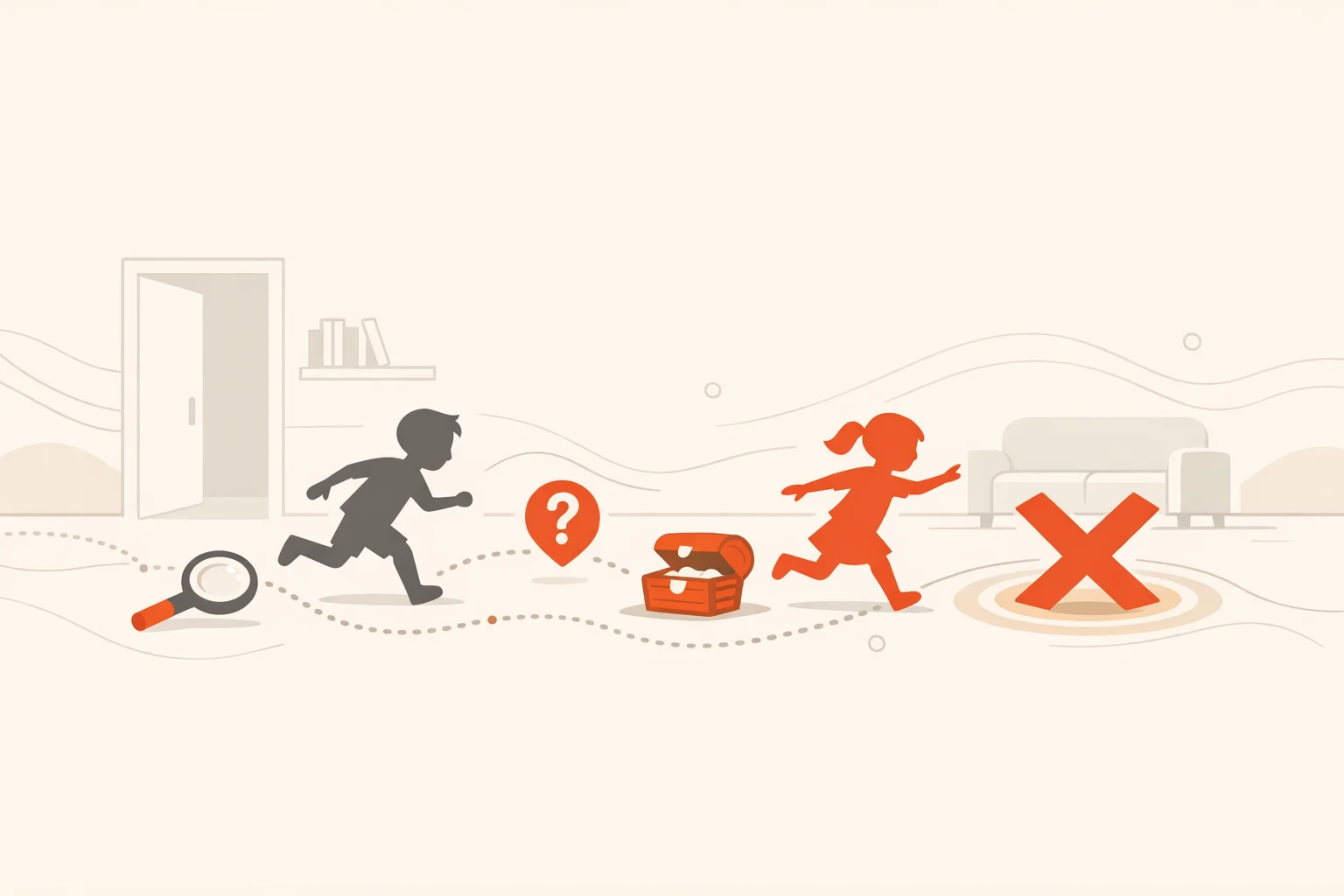
23. Cause‑quest scavenger hunt
Use a city, campus, or office scavenger hunt themed around your cause to raise awareness and donations while teams complete creative challenges.
- Build mixed challenge types so different skills shine.
- Add GPS check‑ins at partner sites and QR codes that reveal stories.
- Award bonus points for collecting specific donation items.
- Facilitation tip: automate scoring with a modern scavenger hunt app so you can focus on people, not clipboards.
- Recreate the charity’s logo using only people and shadows.
- Scan the code hidden near the city’s quietest landmark.
- Check in where volunteers pack tomorrow’s meals.
- Which neighborhood has the oldest community garden?
- Film a 15‑second PSA that makes strangers smile.
24. Virtual micro‑volunteering sprint
Run a 60‑minute push where teams complete small, remote tasks that support research and aid efforts.
- Choose platforms like digital map tracing or document transcription approved by a nonprofit.
- Use breakout rooms with a simple scoreboard and timeboxes.
- Close with two minutes per team on what they contributed and learned.
- Facilitation tip: keep tasks bite‑sized to maintain visible progress.
Design for impact, not optics. That’s where the energy lives.
Facilitation guardrails that keep impact real
- Confirm needs with the nonprofit, then build your format around those facts.
- Keep instructions visible and roles defined so participation feels safe.
- Track outputs and stories you can report back to the partner and your team.
- End with a quick debrief focused on behaviors the team wants to keep.
Pro tip
Co‑create the activity with your nonprofit contact. A 15‑minute call can prevent well‑meant but unusable donations and ensure your output matches real demand.
When people volunteer together, they often report better connection and mental health benefits. United Way has been straightforward about this trend, and coverage in the Associated Press captured how structured volunteer programs are becoming a core engagement lever inside companies. Link your projects to clear community benefit and the team benefit follows. United Way and AP reporting both underline that momentum. (unitedway.org)
Watch out
Avoid “random acts of charity.” Confirm acceptance policies, infection‑control rules, and messaging guidelines before you buy a single supply or print a single note.
Finally, if you run recurring projects, use simple metrics: items completed to spec, hours delivered, partner satisfaction, and at least one story that puts a name to the work. Purpose programs that mature tend to invest in these basics, which aligns with the kinds of findings summarized in Benevity’s State of Corporate Purpose research. (benevity.com)
FAQs
What group size works best for charitable team building?
Most formats here run cleanly in pods of 4–6 people, then scale by adding identical stations. If you have 60 participants, build 10 identical pods and one roaming facilitator.
How long should a session run?
Short and punchy beats marathons. Most teams get more value from a 75–120 minute build plus a 10–15 minute debrief than from a half‑day that drifts.
How do we make activities inclusive for different abilities?
Design jobs at multiple intensities and let people choose. Offer seated roles, quieter tasks, and clear opt‑outs without penalty. Ask your partner about accessibility needs before the day.
What do we do if we can’t leave the office?
Plenty of high‑impact options are on‑site: hygiene kits, blankets, career closet sorting, energy‑saver kits, and cause‑quest hunts that route through your space. Virtual sprints also work.
How do we pick the right nonprofit partner?
Start with your community, then filter for alignment with your values and the capacity to host volunteers. One short planning call is worth a hundred assumptions.
How should we measure success without making it a spreadsheet exercise?
Count correctly completed outputs, log hours, capture one photo and one short story per station, and ask your partner for a one‑line quote on usefulness. That’s enough to learn and to repeat.
A last note: volunteers tend to stick when the work is meaningful and well organized. Companies are noticing the same thing, investing in programs that build connection and skills while moving real work forward for community partners. Thoughtful design and current data both point in that direction. (hbr.org)