Solutions
Your first hunt, live this afternoon.
Free to start · No download for participants
Discover remote-friendly team building ideas that help distributed teams connect, participate, and have fun without awkwardness.
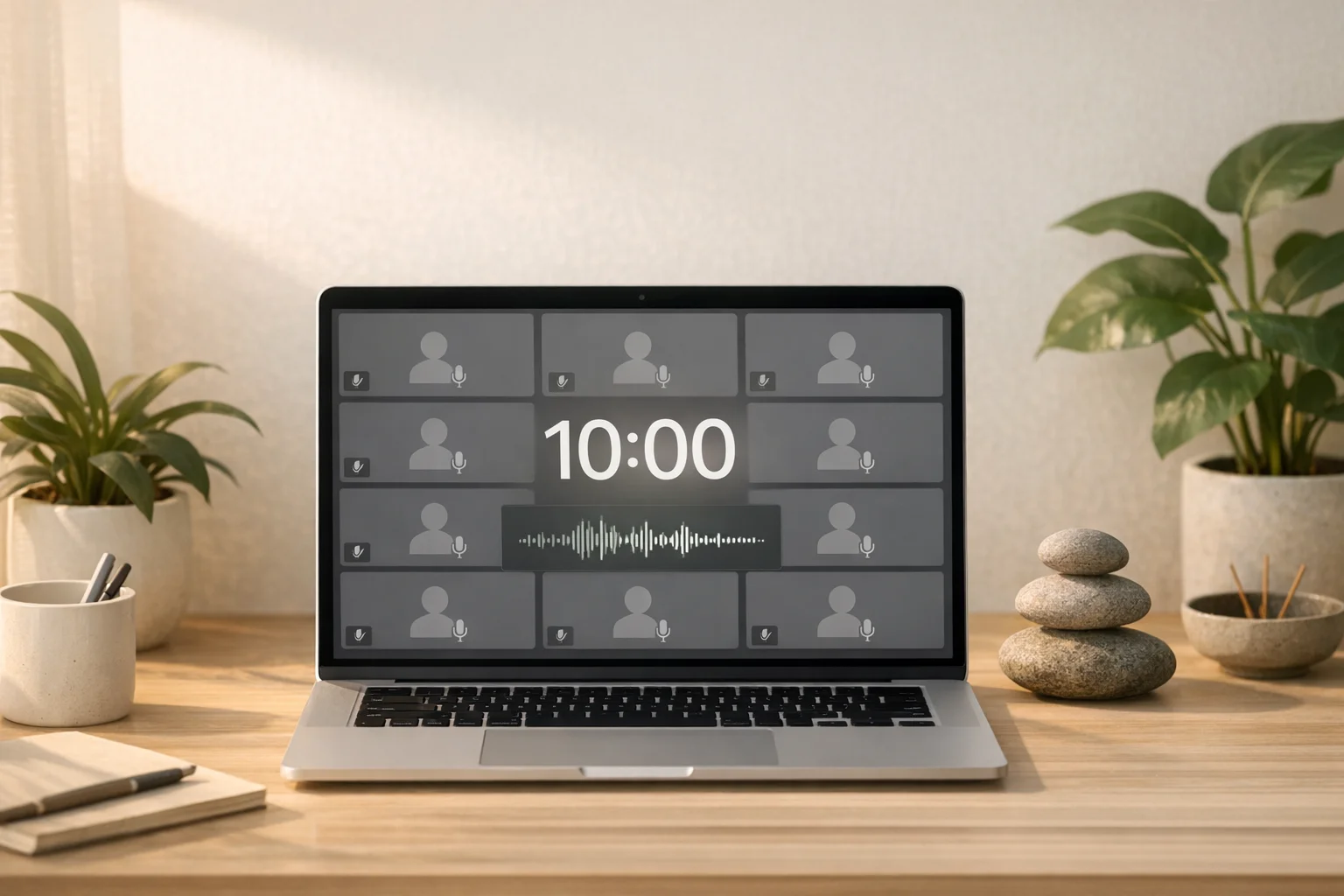
Remote teams don’t need another icebreaker. They need a reliable way to lower the collective heart rate, restore attention, and rebuild the social fabric that video meetings quietly fray. Virtual meditation can do that when it’s designed like a team ritual, not a one‑off wellness stunt.
A pattern we keep seeing: when distributed teams adopt a short, consistent meditation cadence, baseline tension drops and collaboration gets easier. It’s not magic. It’s hygiene. Clearing cognitive clutter gives people more working memory for each other.
On the need side, global reports continue to show stubbornly elevated stress. Gallup’s 2026 State of the Global Workplace reports stress levels that remain above pre‑pandemic baselines and highlight declining manager engagement. That’s not just a “people problem.” It’s a throughput problem for teams. (gallup.com)
On the efficacy side, there’s solid, if measured, evidence. A widely cited JAMA Internal Medicine meta‑analysis found mindfulness programs produce moderate improvements in anxiety and depression and benefits for pain, with more limited effects elsewhere. Translation: meditation isn’t a cure‑all, but it’s a reliable nudge toward steadier mood and clearer attention. (jamanetwork.com)
Finally, the format fits distributed work. Brief, guided resets slot between meetings, don’t require special gear, and can be inclusive when designed well. Done right, they become the quiet backbone of team culture.
Most teams don’t fail because meditation “doesn’t work.” They fail because the container is wrong.
What usually shifts the dynamic is tightening the ritual and loosening the rules: short, predictable sessions with permission to participate in whatever way feels comfortable.
Below are formats that travel well across time zones and attention spans. Use the first as your backbone, then add one or two as seasoning.
Why it works: consistency beats intensity. Over weeks, people show up because it’s predictable and cost‑light.
Why it works: you reclaim attention that would’ve been spent context‑switching.
Why it works: it satisfies the folks who want more without bloating the weekly cadence.
Evidence helps here. A meta‑analysis on micro‑breaks of 10 minutes or less found significant boosts to well‑being and indications that slightly longer breaks can aid performance. Short, unrelated‑to‑work pauses are especially potent. Build them in, don’t just “allow” them. (pmc.ncbi.nlm.nih.gov)
Video adds load when people stare at their own faces and hold eye contact unnaturally. Stanford researchers described this “nonverbal overload” as a key driver of fatigue; simple design tweaks like hiding self‑view and not requiring fixed eye contact reduce drain. Build those norms into your invites. See the Stanford Virtual Human Interaction Lab synthesis for the theory and fixes. (vhil.stanford.edu)
You don’t need a quarter to pilot this. Four weeks is plenty to prove value.
In our experience, the biggest unlock is making it feel normal. Same time. Same link. No hoopla.
Keep language neutral and posture‑agnostic. Favor techniques with clear instructions and immediate felt sense.
Evidence note: structured mindfulness programs show moderate, reliable benefits for anxiety and depression in clinical and nonclinical populations, per the [JAMA meta‑analysis]. Expect steadier mood and reactivity, not superpowers. (jamanetwork.com)
A pattern we keep seeing: inclusivity isn’t about adding disclaimers. It’s about giving people legitimate ways to participate.
These small affordances are the difference between five enthusiasts and a real team ritual.
Don’t over‑instrument. You’re not publishing a paper. You’re proving a team habit helps.
If you want a structural nudge, build micro‑breaks into your calendar norms. The [PLOS ONE synthesis on micro‑breaks] is a concise, evidence‑backed rationale leaders can get behind. (pmc.ncbi.nlm.nih.gov)
Where Scavify helps naturally: layering light interaction around the ritual without making it performative. Think automated check‑ins, a rotating prompt, or a streak badge to reinforce consistency. Browser + app flexibility means people can participate from anywhere without another tab circus.
When you want gentle interaction around the practice, micro‑challenges work. Keep them reflective, not showy.
For most teams, 10–15 minutes weekly is the sweet spot. It’s long enough to settle, short enough to keep. Add a monthly 30‑minute option for those who want depth.
No. In fact, defaulting to audio‑first often helps. Research on video “nonverbal overload” suggests that constant self‑view and forced eye contact add fatigue. Hiding self‑view and relaxing camera norms lowers that load. (vhil.stanford.edu)
Expect steadier mood, a small but real reduction in reactivity, and smoother collaboration right after sessions. Large meta‑analyses show moderate improvements in anxiety and depression for mindfulness programs, not miracle jumps in performance. (jamanetwork.com)
Pilot for four weeks. Share simple participation data and a pre/post calm score. Point to credible summaries on the benefits of short breaks and mindfulness, like the PLOS ONE micro‑breaks meta‑analysis and the JAMA mindfulness review. (pmc.ncbi.nlm.nih.gov)
Use one anchor slot per region and publish short audios for async use. Pair longer meetings with a 5‑minute centering at the top so it replaces, not adds to, the agenda.
Mid‑week tends to land well, but the bigger lever is consistency. Same day. Same time. Same script.
Some practices can feel uncomfortable. Make it opt‑in, normalize opting out of certain prompts, and keep language neutral. Offer an alternate “quiet focus” track for those who prefer it.
Don’t oversell. Start small, run it consistently, share tiny wins monthly, and let the ritual carry the program.
Virtual meditation isn’t about creating peak experiences. It’s about building a calm, repeatable moment where people reset together. Keep it short. Keep it real. And make participation easy enough that it becomes habit. That’s how passive participation turns active, and how distributed teams get their edge back.