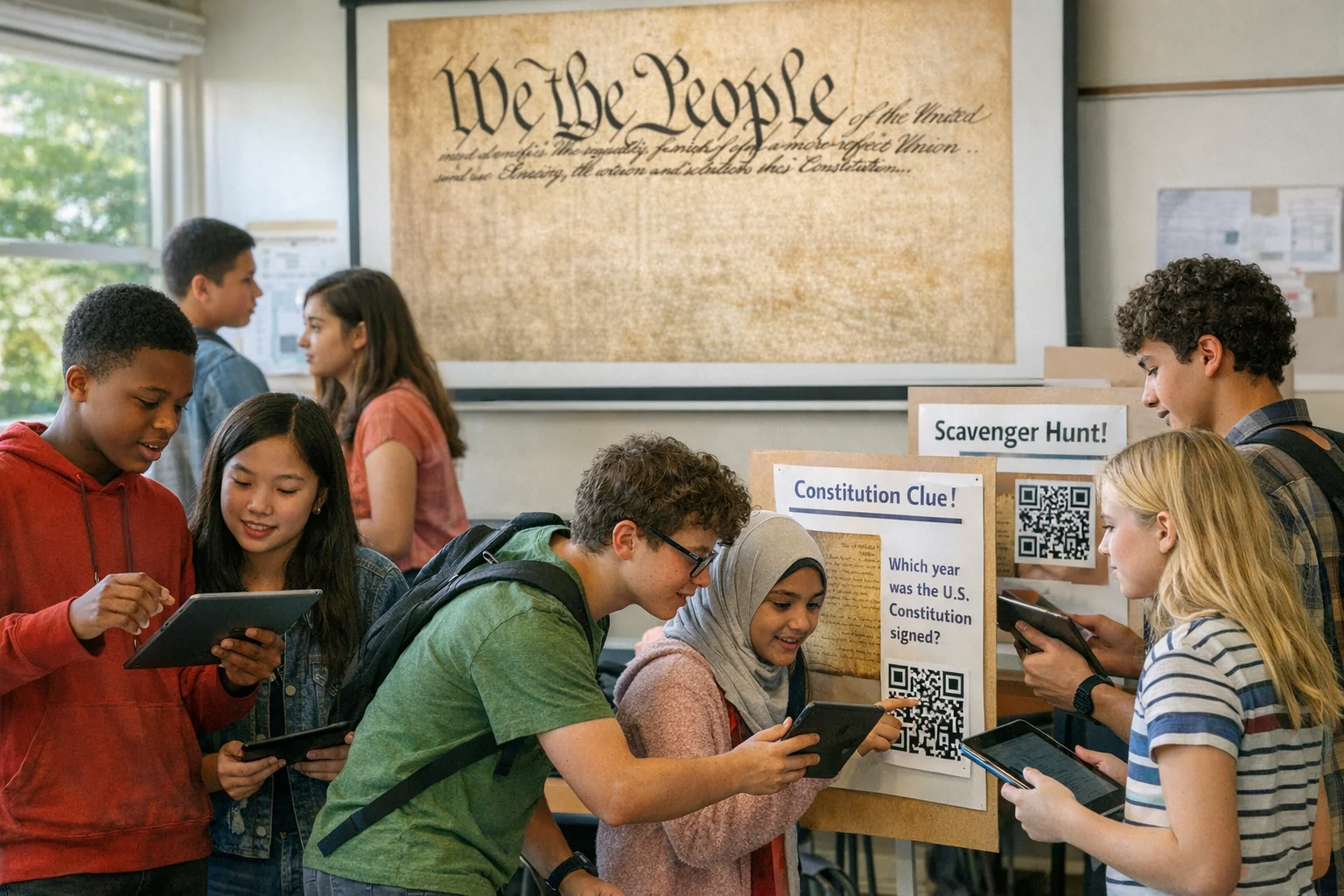
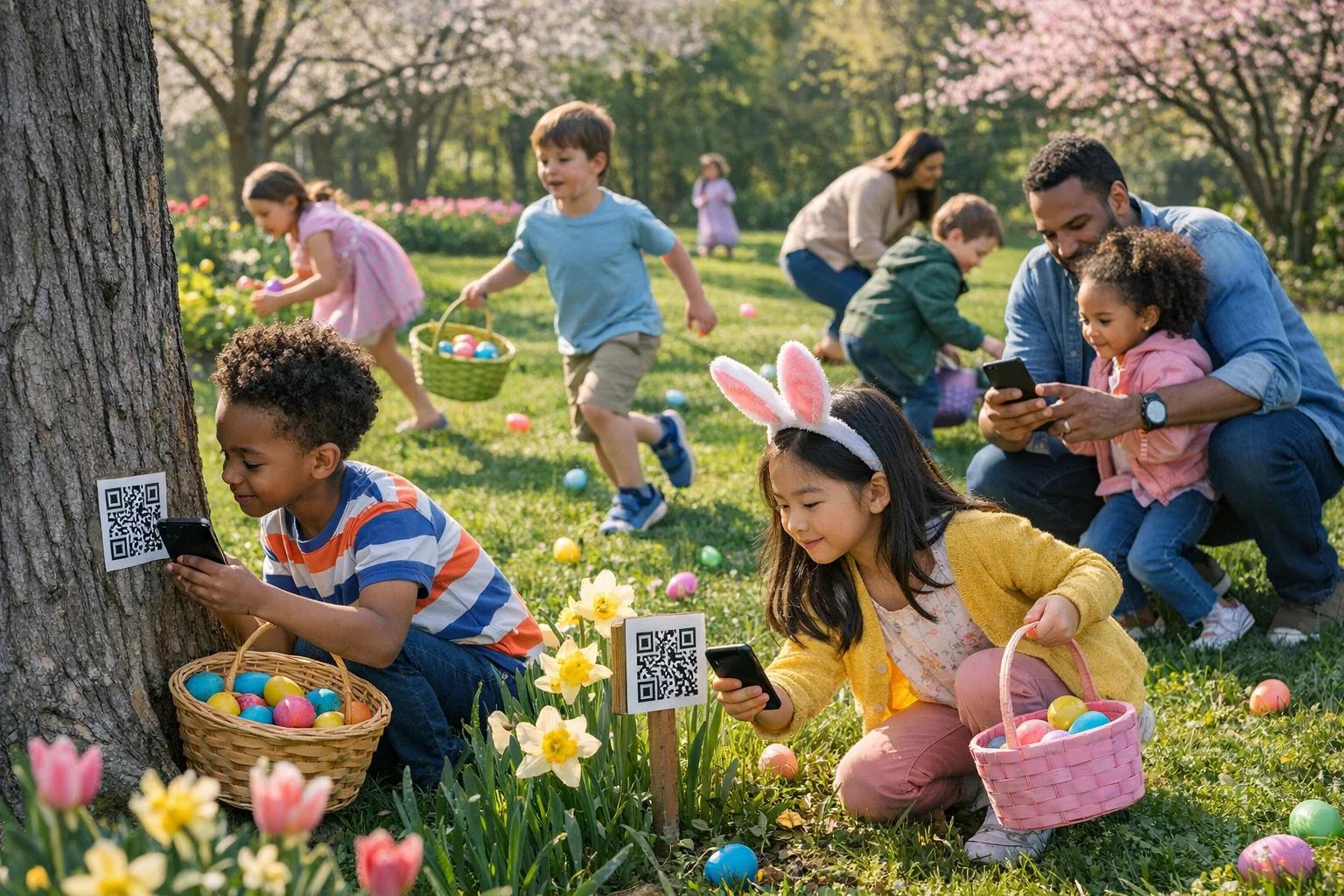
Adult scavenger hunts turn a room full of polite strangers into collaborators with a shared story. They create just enough structure, choice, and playful pressure to make participation feel natural. Done right, you get real conversation, movement, and moments people remember long after the last photo is taken.
At a Glance
- Start with purpose. Pick formats that produce conversation, discovery, and quick wins.
- Mix challenge types. Photo, video, GPS, Q&A, and QR keep energy from stalling.
- Timebox tightly. Short rounds and clear scoring beat long, wandering hunts.
- Plan safe and inclusive. Offer alternates, mind privacy, and prep for weather.
- End strong. Recap highlights fast so the memory lands on a high note.
Why adult scavenger hunts work
A pattern we keep seeing: once teams have a shared goal with visible progress, social friction drops. People talk, trade micro-strategies, and volunteer strengths. That is the groundwork for psychological safety, which research highlights as a key driver of effective teams. If you want the receipt, scan Google’s own findings on team effectiveness and psychological safety in Google’s re:Work guide on team effectiveness.
Another pattern: hunts create a string of small peaks. Quick wins, micro-celebrations, and a finish that feels earned. Attention stays up. Participation stays voluntary because people can choose roles inside the team: spotter, navigator, persuader, documentarian. Nobody is forced into center stage, yet everyone has a way to contribute.
Quick formats that fit offices, cities, and remote teams
- Office sprint (45–75 minutes). Short loops inside one building or campus. Great for onboarding, cross-team mixers, and lunch-and-learns.
- City walkabout (60–120 minutes). Outdoor paths with 6–10 waypoints. Best for retreats and client events near a downtown core.
- Museum or campus circuit (60–90 minutes). Challenge prompts tied to exhibits or landmarks. Minimal logistics. Big on conversation.
- Bar or food crawl (75–120 minutes). Flavor-forward missions with guardrails. Emphasize nonalcoholic options and responsible pacing.
- Remote live hunt (45–60 minutes). Home-office prompts and rapid video or photo submissions in timed rounds.
In our experience, hybrid groups work when you run two parallel tracks with a shared scoreboard. Remote folks chase home-friendly prompts while onsite teams complete location missions. Everyone meets at the same finish line.
37 ice‑breaking scavenger hunt ideas for adults
Group these however you like. We’ve mixed icebreakers, puzzles, city missions, food, culture, remote-friendly prompts, social good, and a couple of just-for-fun stunts. Use as-is or as a springboard.
- [Photo | 20 pts]: Recreate a childhood photo using only what’s nearby.
- [Q&A | 15 pts]: Who once wore a uniform with a nametag? Prove it.
- [Video | 30 pts]: Teach a 10‑second life hack you actually use.
- [Multiple Choice | 10 pts]: Spot the lie hidden among three confessions.
- [Photo | 25 pts]: Find three objects sharing the team’s chosen color.
- [QR Code | 15 pts]: Scan the code hidden on the least obvious surface.
- [Q&A | 20 pts]: Which teammate speaks more than two languages?
- [Video | 25 pts]: Pitch the team with a three‑word movie tagline.
- [Q&A | 30 pts]: Crack the anagram: “MEETING NOTES” hides a city.
- [Multiple Choice | 20 pts]: Which door opens using only prime numbers?
- [Photo | 30 pts]: Capture a reflection that reveals secret text.
- [QR Code | 40 pts]: Assemble four codes to unlock the bonus riddle.
- [Q&A | 35 pts]: Solve: knight visits all corners in eight moves?
- [GPS Check‑in | 30 pts]: Plaque mentions a local “first” or “oldest.”
- [Photo | 25 pts]: Find the city’s unofficial mascot without searching.
- [Video | 40 pts]: Ask a local for the best-kept shortcut.
- [Photo | 30 pts]: Frame a statue “holding” something it never did.
- [GPS Check‑in | 35 pts]: Stand where brick, metal, and greenery meet.
- [Q&A | 20 pts]: Name a building with more doors than windows today.
- [Video | 30 pts]: Record a five‑second cheering section for strangers.
- [Photo | 20 pts]: Find a menu with one item you can’t pronounce.
- [Q&A | 25 pts]: Identify a spice from aroma hints only.
- [Video | 35 pts]: Toast with the most creative zero‑proof concoction.
- [Photo | 30 pts]: Arrange snacks to form a color wheel.
- [GPS Check‑in | 30 pts]: By an exhibit that changed your opinion.
- [Photo | 25 pts]: Recreate an artwork’s pose without touching anything.
- [Q&A | 20 pts]: Which exhibit traveled farthest to be displayed here?
- [Multiple Choice | 25 pts]: Label shows a date older than the building.
- [Q&A | 20 pts]: Home object with a backstory older than you.
- [Photo | 20 pts]: “Something tiny that solves a big problem” at home.
- [Video | 25 pts]: Lip‑sync five seconds of a guilty‑pleasure anthem.
- [Multiple Choice | 20 pts]: Guess the coworker from childhood hobby pics.
- [QR Code | 25 pts]: Scan the code hidden in today’s slide deck.
- [Photo | 30 pts]: Leave a handwritten thank‑you to brighten a day.
- [Video | 35 pts]: Shout out a local nonprofit and why it matters.
- [Photo | 25 pts]: Spell a team motto using human letters only.
- [Video | 40 pts]: Slow‑motion victory parade past something ordinary.
Tips for using these:
- Mix difficulties so every team sees progress in the first 10 minutes.
- Limit travel radius unless the journey is the point. More time hunting, less time commuting.
- Cap video prompts at 5–10 seconds to keep review fast and fun.
- Offer alternates for anything physical or public‑facing.
How to plan a smooth, high‑energy hunt
- Clarify the goal. Icebreakers for 40 new hires call for fast, low‑friction prompts. A client summit favors city discovery and clever photo staging. Pick accordingly.
- Choose the field. Indoors means predictable pacing. City routes add exploration and energy. Remote hunts trade movement for creativity and storytelling.
- Plot the arc. Open with two easy wins, follow with a puzzle or location challenge, end with a celebratory prompt. The last 5 minutes shape the memory of the whole.
- Staff the moment, not the map. You need a live operator more than extra waypoints. One person approving submissions and posting highlights keeps momentum high.
- Timebox everything. Rounds of 12–15 minutes with a 2–3 minute reset work well. Longer hunts still benefit from mid‑game sprints.
- Prep a short ruleset. What counts, what’s off‑limits, and how to earn tiebreakers. Then stop talking and let the hunt breathe.
Scoring models that keep competition friendly
- Straight points. Each completed challenge earns listed points. Simple. Transparent.
- Combo bonuses. Finish any three in a category for +10. Encourages variety.
- Speed bursts. First five teams to complete a prompt get +5. Creates urgency without punishing late teams.
- Creative picks. Organizer’s Choice +10 for standout creativity. Announce up front so teams lean into it.
Most teams tend to respond to visible progress and one or two surprise bonuses. Too many twists and people switch to spectator mode.
Safety, accessibility, and permissions that actually matter
- Heat and weather. Outdoor hunts need shade, water, and scheduled breaks. OSHA’s guidance is simple and effective: Water. Rest. Shade. For participants planning their own day, point them to the CDC’s heat and your health basics and encourage opting out of any physical prompt if they feel off.
- Accessibility. Offer non‑walking alternates, avoid stair‑only routes, and keep any timed physical prompt optional. Every category should have at least one seated or low‑mobility option.
- Privacy and photos. Set expectations about where submissions will live. For workplace events, align with HR on photo use and consent. This SHRM overview is a helpful primer on norms and state differences: employee photographs and consent considerations.
- Public spaces. No blocking sidewalks, no entering staff‑only areas, no risky climbs. If you need access, get permission in writing. Keep prompts descriptive, not directive: “Frame a statue ‘holding’ something” beats “climb on the statue.”
- Alcohol. Keep alcohol optional and nonessential to winning. Offer zero‑proof equivalents and equal points for them.
Runbook: before, during, after
- Before. Walk the route or test a remote run. Stage 1–2 “wow” backdrops. Load prompts, points, and alternates. Publish a 1‑page brief with timebox, boundaries, and how scoring works.
- During. Open with two quick wins to build confidence. Keep approvals snappy and spotlight great entries in a live feed. If energy dips, announce a 5‑minute lightning prompt.
- After. Post a highlight reel while people still have their phones out. Hand out category awards: most creative, best team effort, best unintended comedy. End within five minutes of the official stop time. That ending rhythm matters.
Where Scavify naturally helps
If you want to run this at scale without spreadsheets, this is where Scavify tends to show up. Challenge variety (Photo, Video, GPS Check‑in, QR Code, Multiple Choice, Q&A) keeps adults engaged. Automation for approvals, points, and leaderboards removes busywork. Browser + app flexibility means guests, employees, or conference attendees can jump in fast. And scale flexibility lets you run a 20‑person office sprint or a 2,000‑person city takeover without changing tools.
Sample 60‑minute agenda you can steal
- Minute 0–5: Welcome, three rules, show the live leaderboard.
- Minute 5–15: Easy wins online or nearby. Two submissions minimum.
- Minute 15–35: Mixed missions with one location prompt and one creative video.
- Minute 35–50: Team’s choice. Push for combo bonuses or go for a big riddle.
- Minute 50–55: Final “all‑play” for +15. Short, funny, accessible.
- Minute 55–60: Highlights, awards, thanks, link to gallery.
FAQs
How many people should be on a team?
Four to six tends to balance ideas with coordination. Smaller teams move faster. Larger groups benefit from defined roles. If you must run eights or tens, assign a captain and a checker so decisions don’t stall.
How long should an adult scavenger hunt run?
Sixty to ninety minutes works for most groups. Shorter than 45 minutes feels rushed. Longer than two hours needs a planned break and a location change to avoid fatigue.
What prizes work without overshadowing the experience?
Lightweight and shared. Category shout‑outs, team trophies that double as desk decor, or experiential rewards like picking the next team lunch. Avoid winner‑take‑all gift cards that turn collaboration into hoarding.
How do I keep it inclusive for introverts and different abilities?
Offer choice. Pair public‑facing prompts with creative or puzzle options. Keep any physical or performative task optional and equal in points. Make sure each category includes seated or low‑mobility alternatives.
Can we run this remotely?
Yes. Use home‑friendly prompts, short video caps, and rapid rounds. Keep submissions visible in a live feed and spotlight great ones every few minutes to maintain energy.
How do I avoid cringe?
Skip forced vulnerability. Use prompts that invite stories, observation, and clever framing. Keep humor observational and opt‑in. And end on a crisp recap, not a lecture.
What about safety and weather for outdoor hunts?
Plan shade stops, schedule water breaks, and give teams permission to skip any prompt that feels unsafe. OSHA’s Water. Rest. Shade. is a solid rule of thumb. Have an indoor fallback if heat or storms roll in.
Do we need permission to film or take photos?
In workplaces, align with HR on consent and usage. In public, avoid filming people who clearly opt out. When in doubt, ask. SHRM’s overview on employee photographs and consent considerations is a useful starting point.
Wrap where the energy is. If you want more structures and automations to run these ideas at scale, Scavify was built for exactly this: making participation active without making organizers babysit the process.