Solutions
Your first hunt, live this afternoon.
Free to start · No download for participants
Explore team outing ideas with standout examples, selection guidance, setup steps, mistakes to avoid, and ideas you can adapt quickly. Choose confidently.
Picking team outing ideas shouldn’t feel like a blindfolded dart throw. You need activities that nudge people out of spectator mode, get more than the usual voices participating, and produce stories worth retelling at next week’s standup. The ideas below lean on formats we’ve seen repeatedly create movement, small wins, and enough novelty to spark real conversation.
Two quick notes before you choose: match the idea to the outcome you want, and design for wide participation, not just the loudest or fittest five percent. The rest is logistics. And logistics are solvable.
Outings beat swag for long‑term satisfaction because experiences stick in memory and conversation. That pattern shows up consistently in consumer research and tracks with what we see on teams. Cornell’s studies on experiential vs. material purchases are a helpful backdrop here. (news.cornell.edu)
Nobody quits a game they’re winning. Engineer early wins.
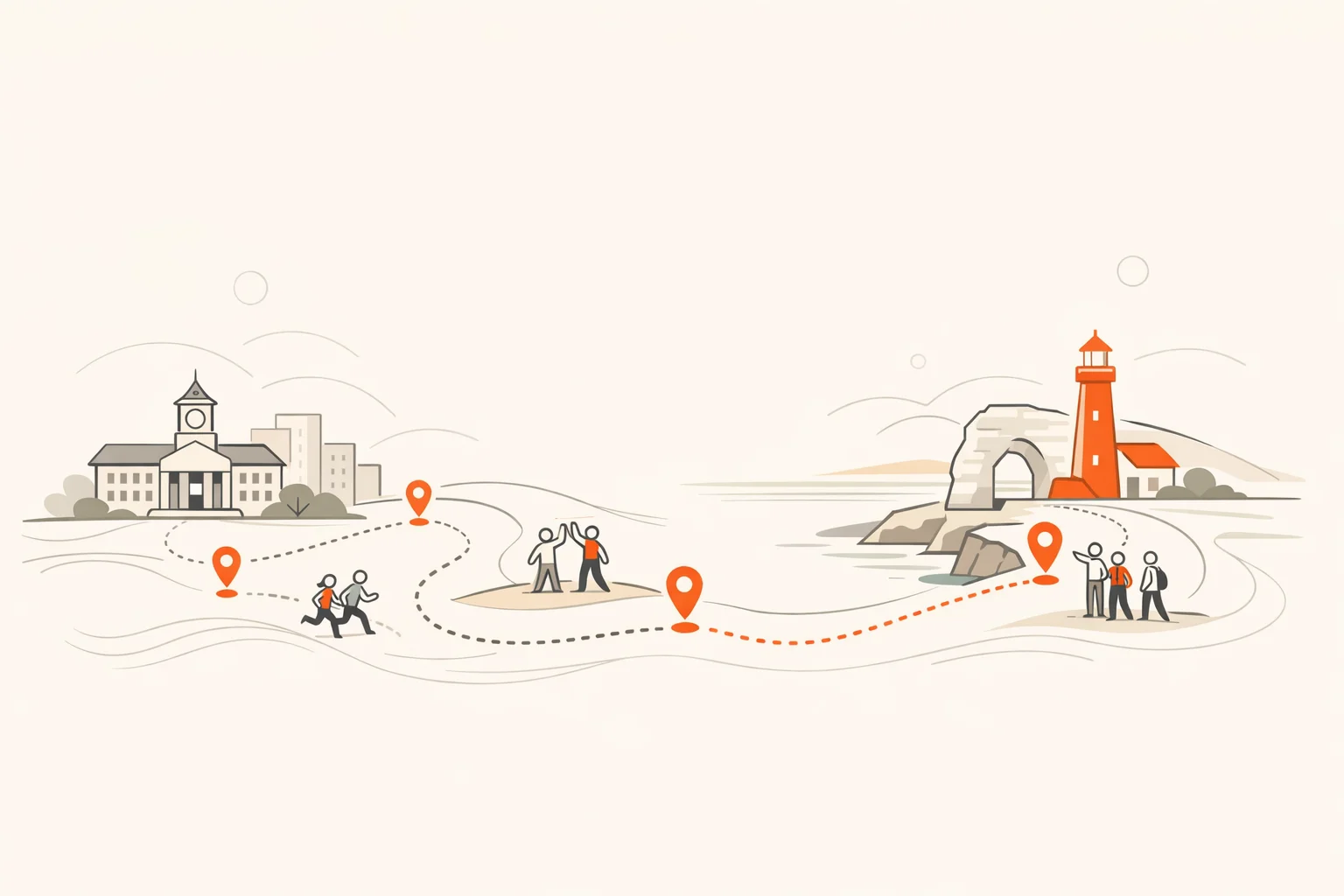
A timed loop of short, creative challenges across a neighborhood or campus. Small teams move together, complete prompts, and submit proof. Use a modern scavenger hunt app to automate prompts, GPS check‑ins, and scoring so you can focus on people, not paperwork.
Best for: fast connection across mixed roles and seniority.
Why it works: movement, micro‑wins, and lots of voices. The format also supports psychological safety by rewarding attempts and making progress visible, which aligns with Google’s research on effective teams. (rework.withgoogle.com)
A classic for a reason. Choose a room where difficulty ramps gradually so everyone can contribute early. If the venue allows, split into parallel rooms and swap learnings afterward.
Best for: collaboration under time pressure.
Why it works: shared focus, quick decisions, and natural role‑switching as clues emerge.
Teams prep a meal together with a chef’s guidance. Rotate pairings by station to maximize mingling. End with a sit‑down meal and light awards.
Best for: cross‑team bonding and sensory memory.
Why it works: tangible outcomes and built‑in celebration at the end.
Partner with a local nonprofit for a half‑day of meaningful work: food sorting, park cleanup, or build kits. Keep tasks small, visible, and varied.
Best for: values alignment and morale.
Why it works: shared purpose plus hands‑busy, conversation‑friendly tasks.
Turn a nearby park or plaza into a playful circuit: relay races, puzzle tables, and accuracy games. Keep rounds short and points simple.
Best for: medium to large groups.
Why it works: movement without requiring peak fitness, and lots of sidelines cheering.
Book a private or late‑night slot and run a light challenge path through two exhibits. Add prompts like “find a painting that matches your mood.”
Best for: conversation starters and quiet teams.
Why it works: novelty plus built‑in talking points.
Pick three stops within walking distance. Assign each table a tiny scorecard: best bite, best story, most unexpected. Rotate seats between stops.
Best for: celebrating a milestone.
Why it works: natural group rotation with zero facilitation overhead.
A guided paddle on calm water followed by coffee and pastries. Provide a land‑based alternative walk for non‑paddlers.
Best for: small to mid‑size groups.
Why it works: mild novelty and quiet one‑on‑one conversation time.
A pro leads teams through building two signature drinks, one alcoholic and one zero‑proof. Add a flavor “mystery box” round.
Best for: sensory play and inclusive social time.
Why it works: hands‑on creativity with low stakes and lots of laughs.
Dinner wrapped around a light whodunit. Give each table a unique clue to force cross‑table mingling mid‑meal.
Best for: larger groups who want a seated format.
Why it works: story structure keeps attention without long speeches.
Partner with a local makerspace to build simple chain‑reaction devices or wind‑powered cars. End with a playful test track.
Best for: engineers and non‑engineers alike.
Why it works: creative problem‑solving with visible progress.
Pick fast, teachable games. Randomize tables every 20 minutes. Track fun awards, not just wins.
Best for: mixed energy levels and indoors‑only days.
Why it works: small group rotation and quick resets prevent boredom.
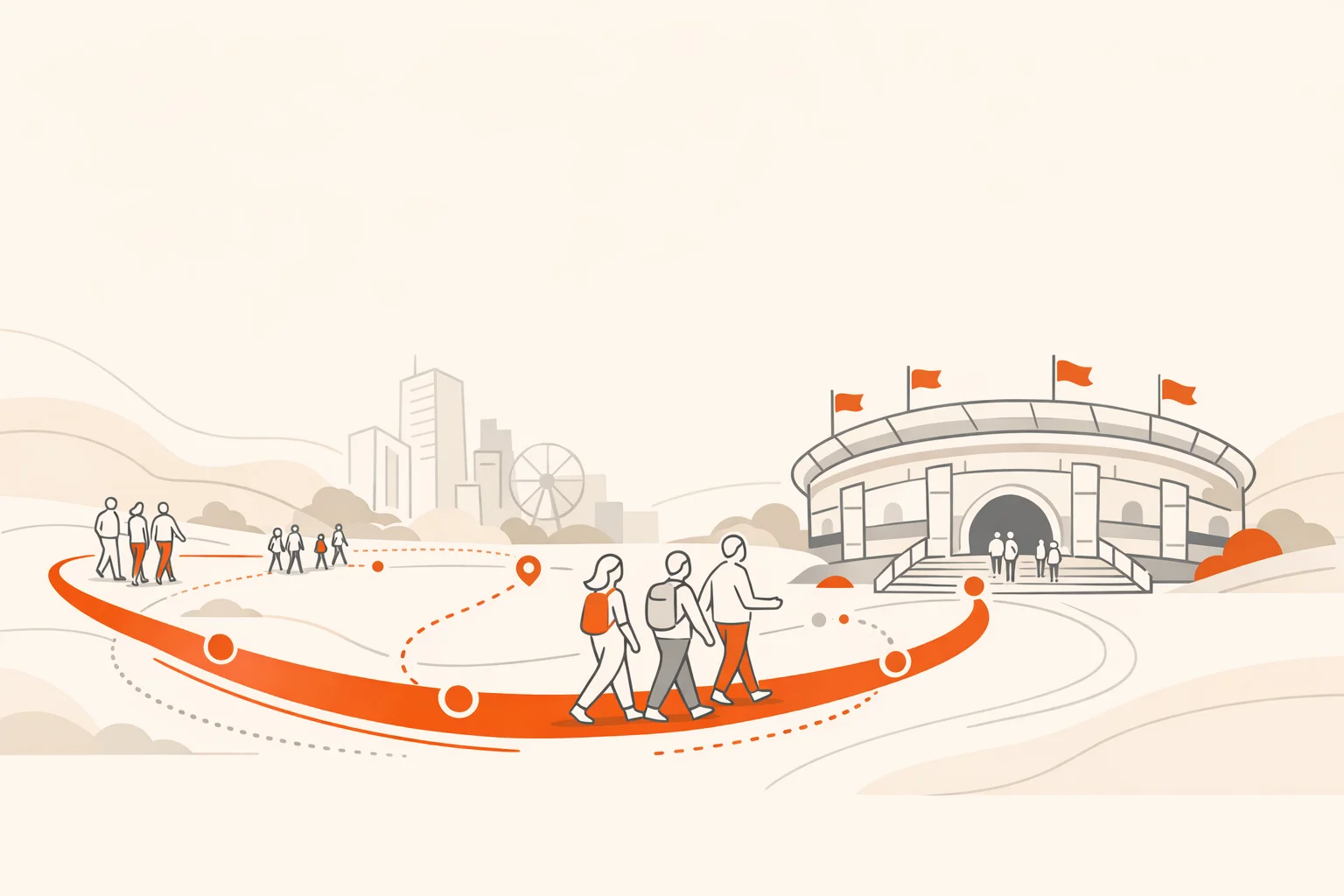
Map a 60–90 minute loop with three conversation prompts. Stop twice to swap partners. Walking reliably boosts idea generation, especially for brainstorming phases, according to a well‑cited Stanford study. Link your tougher ideation blocks to this format. See Stanford’s walking‑and‑creativity research. (news.stanford.edu)
Best for: fresh thinking and informal mentoring.
Why it works: movement, sunshine, and lower social friction while side‑by‑side.
Catch a game together and layer in three tiny between‑innings challenges: a two‑sentence product pitch, a photo bingo square, a trivia question about the stadium’s history.
Best for: easy logistics and big‑group bonding.
Why it works: built‑in entertainment plus light interaction.
Tour the craft behind a beverage, then run a blind‑tasting scorecard that includes a non‑alcohol flight. Designate clear transit plans.
Best for: small to mid‑size groups.
Why it works: shared learning and relaxed conversation.
A facilitator runs low‑risk games like “Yes, and” and one‑word story. Set a clear container: opt‑in only and no forced stage time.
Best for: communication practice and confidence.
Why it works: laughing together while practicing listening, support, and quick thinking.
Book a private block and rotate teams. Add a cooperative round where everyone must capture an objective together.
Best for: teams that like friendly competition.
Why it works: action, strategy, and cheering for coworkers you usually only Slacked.
Alternate physical and non‑physical stations: a bounce‑to‑target round followed by a seated puzzle or photo challenge.
Best for: mixed abilities when designed thoughtfully.
Why it works: visible progress and frequent handoffs.
Hand each lane a simple card of creative shots: granny roll, two‑handed, eyes‑closed spare attempt with a spotter, best synchronized team roll.
Best for: quick wins and playful competition.
Why it works: repeatable attempts with instant feedback.
Rent a small theater or office projector. Choose a film that fits your outcome (documentary for learning, comedy for celebration). Close with a 10‑minute debrief: two questions, one commitment.
Best for: reflective teams and hybrid groups.
Why it works: shared experience followed by meaning‑making while the story is fresh.
You don’t need a research grant. A quick pre/post pulse and a tiny scoreboard do the job.
If you care about deeper drivers of team performance, design for them. Psychological safety consistently shows up as a critical ingredient in effective teams. A good outing can model it by rewarding attempts, sharing airtime, and making it safe to try small, visible risks. Google’s Project Aristotle summary is a practical reference. (rework.withgoogle.com)
Finally, experiences tend to produce more durable satisfaction and even more generous prosocial behaviors than material perks. That’s not just a warm feeling; it’s a useful design lens for culture investments. See Cornell’s work on experiential purchases and gratitude. (news.cornell.edu)
How do I pick the right idea for a mixed‑age, mixed‑interest team?
Match the activity to a specific outcome (bonding, celebration, learning), then choose formats with multiple ways to contribute. Rotation, short rounds, and inclusive options beat any single “perfect” activity.
What’s a good plan for 25–40 people without heavy logistics?
Run a neighborhood scavenger‑style loop with six prompts, 60–90 minutes, and a visible scoreboard. Timebox each stop and end with a five‑minute share‑out per team.
How do I include remote teammates?
Mirror the main experience with a parallel set of digital prompts and a shared leaderboard. Many formats above translate cleanly with photos, short videos, and trivia.
Does walking actually help creativity or is that just a fad?
There’s solid research showing walking increases creative idea generation, which is handy for brainstorming segments of an outing. See the Stanford summary for context. Stanford’s walking‑and‑creativity research. (news.stanford.edu)
Do social outings really help engagement, or just morale for a day?
They help most when they model the behaviors you want at work: many voices, shared wins, safety to try. Friendships at work correlate with stronger engagement, which shows up in performance and retention in large datasets. See Gallup’s analysis. (gallup.com)
What’s the simplest scoreboard that doesn’t feel hokey?
Points for completed tasks with one or two tiny bonus windows. Or a stamp card with 6–8 boxes teams can fill in any order. Keep the rules on a single card.
Any low‑cost ideas that still feel special?
Urban walk‑and‑talk with prompts, museum quest with a phone‑camera challenge, or a progressive snack crawl across three local spots.
How do I avoid forced fun?
Offer opt‑in micro‑roles, keep rounds short, seed early wins, and end while energy is still high. People remember peaks and endings more than middles. Design those deliberately.