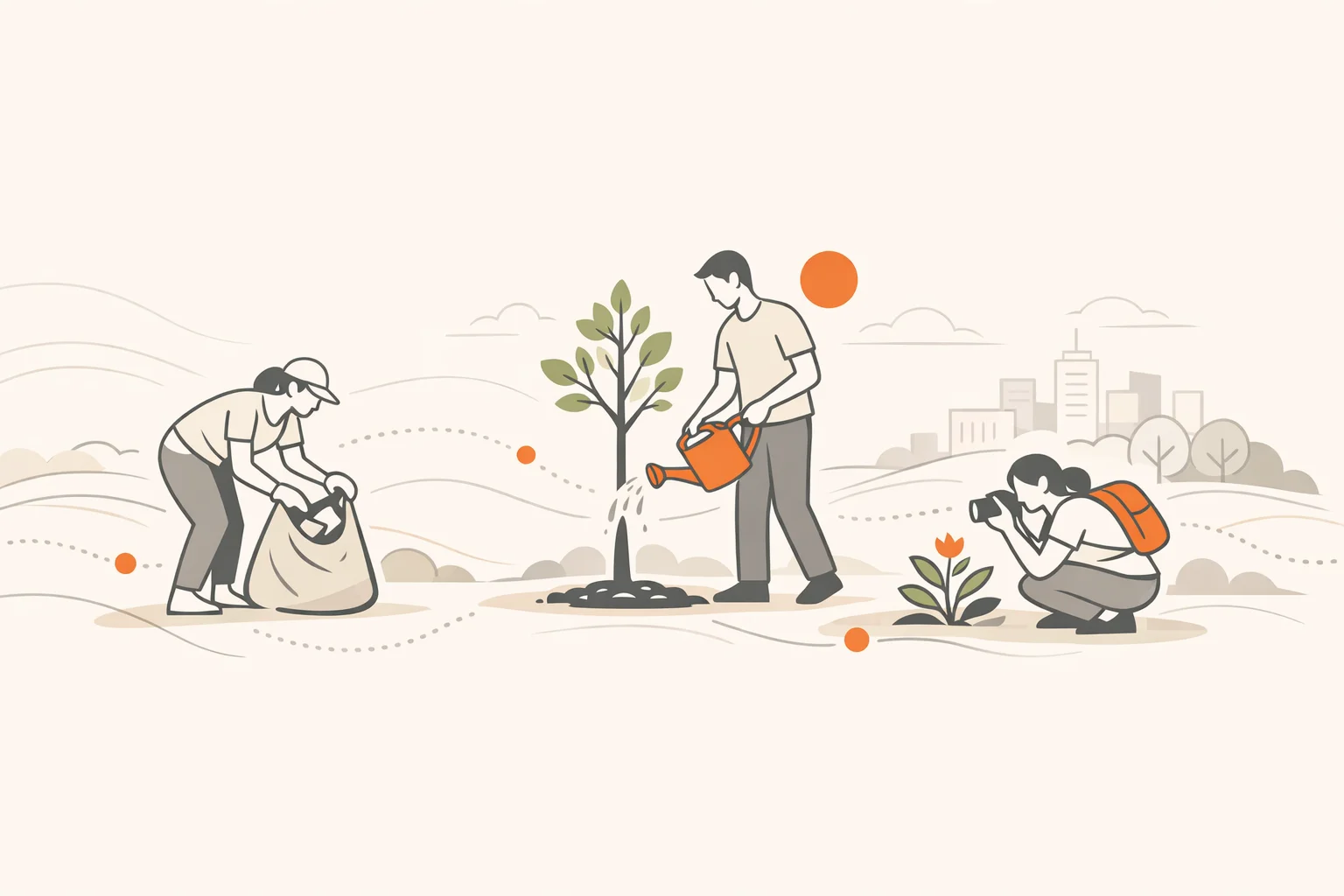
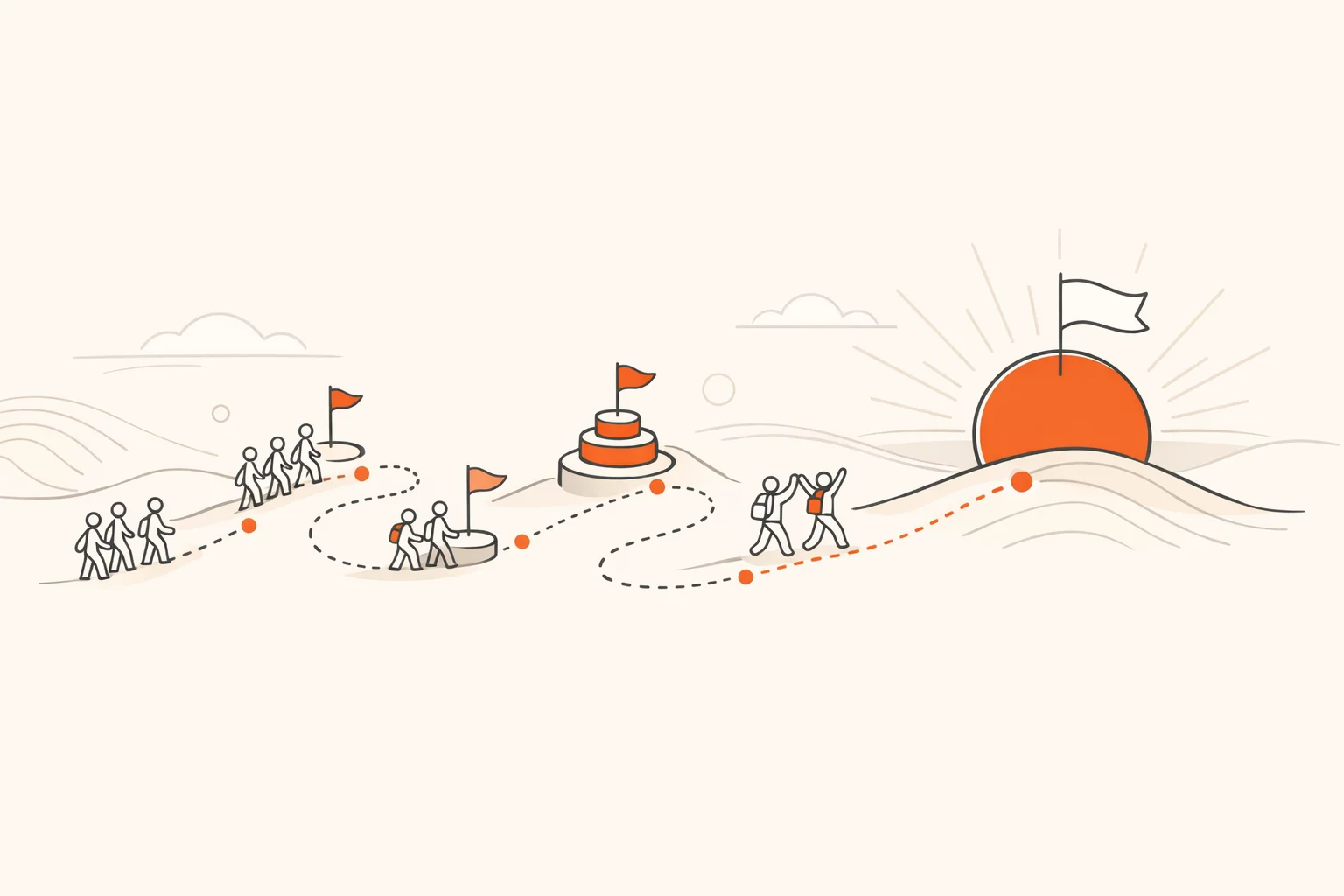
Adults do not need another themed day on the calendar. They need an excuse to get together, do one thing that actually helps, and feel it. That is why Earth Day lands when it does. Mid spring. Energy rising. A clean slate for action.
Earth Day falls on Wednesday, April 22, 2026. The global theme centers on practical, collective action. Translation for adults: pick something specific, make it easy to join, and let people see the result the same day. Public cleanups, mini bioblitzes, repair pop‑ups, tree plantings, lunch‑and‑learns, or a light but thoughtful challenge that turns passive attendance into movement will all play.
If you want the quick route, use an activity that already has scaffolding. There are ready volunteer listings, event maps, and citizen science weekends scheduled around Earth Day. Fold your effort into those and you save hours of planning while connecting your people to a bigger movement.
- Anchor your event to a recognized program to cut planning time by 50%+.
- Design for visible outcomes the same day, like bags filled or species logged.
- Mix light fun with real action so participation never feels performative.
- Use one simple metric and follow up within 72 hours to lock in behavior change.
What Earth Day looks like for adults in 2026
Earth Day is on Wednesday, April 22, 2026. The official campaign spotlights practical, local action and an expanded global event map that logged more than 13,000 registered activities last cycle. Plugging into an established backbone like the Earth Day events map or the Great Global Cleanup removes guesswork and signals credibility to participants. See the Earth Day 2026 archive and map highlights for context, then register yours so people can find it. Earth Day 2026 archive. (earthday.org)
If parks are your venue, the National Park Service centralizes Earth Day and National Park Week activities, from ranger talks to volunteer projects. That calendar makes it easy to layer your group onto something meaningful that is already staffed. NPS Earth Day hub. (nps.gov)
For data‑light citizen science, iNaturalist’s City Nature Challenge runs right around Earth Day and is designed for adults with phones and curiosity. The CNC site has dates, how‑to instructions, and a ready workflow so your group can contribute wildlife observations in minutes. City Nature Challenge guide. (inaturalist.org)
How to pick the right activity for your group
Most adult groups succeed when the activity hits three marks: simple to join, socially rewarding, and visibly useful. Use this quick filter before you commit.
- Pick an action with a same‑day win people can see, like bags of litter removed or trees mulched.
- Keep join friction low with public transit access, a tight schedule, and clear arrival points.
- Design roles for different energy levels so nobody opts out quietly.
- Put the social moment in the middle, not the end, so momentum carries into the second half.
- Add a light skill or learning beat so people leave with something new.
- End with a two‑minute reflection and a single next step, not a speech.
Pro tip
Anchor your plan to a public calendar or map people already trust. Visibility raises turnout and helps you recruit last‑minute volunteers.
Quick‑start programs you can spin up fast
These five formats are battle‑tested. Each includes a minimal plan and where to plug in.
1) Neighborhood or campus cleanup
- Why it works: simple, social, and the impact is literally visible in the trash bags.
- Quick plan: confirm site and disposal, set a 75‑minute window, open with safety, end with a tally and group photo.
- Tools: gloves, grabbers if you have them, clear and black bags, sharps protocol, weigh scale if available.
- Where to plug in: register or find nearby events through the Great Global Cleanup so your effort counts in the global numbers. Great Global Cleanup. (earthday.org)
2) Mini bioblitz with iNaturalist
- Why it works: adults like finding and naming things, and the data helps city and park ecologists.
- Quick plan: pick a small green space, teach the app in five minutes, set a species goal, then share best finds halfway through.
- Tools: phones, spare battery packs, a simple ID cheat sheet for common species.
- Where to plug in: use the City Nature Challenge instructions and your city’s CNC page if it is participating this year. CNC how‑to. (inaturalist.org)
3) Volunteer shift with public lands
- Why it works: rangers and site leads are ready with projects that matter, from trail work to native planting.
- Quick plan: choose a site, submit a group inquiry, confirm waivers, and communicate carpool and gear list.
- Where to plug in: search and apply through the federal portal that aggregates National Park Service and other land agencies. Volunteer.gov. (volunteer.gov)
4) Trees and urban canopy micro‑project
- Why it works: adults enjoy hands‑on work that changes a space. Mulching, watering, and staking existing saplings is often higher impact than planting new ones.
- Quick plan: partner with a local tree nonprofit, adopt a block of young trees, measure pre and post soil moisture, and post signage asking neighbors to water.
- Where to plug in: tie your effort to a recognized initiative like EARTHDAY.ORG’s Canopy Project to align messaging and, if relevant, donations. Canopy Project overview. (earthday.org)
5) Waste audit plus repair pop‑up
- Why it works: seeing actual waste streams changes behavior fast. Pairing it with a basic repair table keeps it hopeful.
- Quick plan: with permission, sort one hour of office or event waste into clear bins, photo the results, then invite people to mend clothing or fix small electronics with volunteer coaches.
- Tools: tarps, gloves, labeled bins, a scale, basic sewing and tool kits.
People show up for experiences that create stories they can tell that night.
Earth Day activities for adults at work
Corporate programs fail when the plan asks for enthusiasm without offering agency. Give adults real choices and track a single visible metric.
- Host a 60‑minute office cleanup of the surrounding block, then log bags and weight. Register it on the global map so remote teammates can mirror it locally. Earth Day 2026 archive. (earthday.org)
- Run a lunchtime bioblitz around your campus. Set a playful target like 50 species in 50 minutes and appoint a live scoreboard keeper.
- Swap desk swag for a repair bar. Bring in a local sewist or bike mechanic for quick fixes.
- Offer a commute swap challenge for one week. Celebrate transit, carpool, bike, or walk commutes with coffee tokens.
- Turn your sustainability claims into a guided tour. Walk people through what is true, what is in progress, and what is aspirational.
- Close the loop with a single follow‑on action like switching a recurring meeting to remote or funding a local tree watering day through a partner.
Watch out
Avoid “informational fairs” that ask people to browse tables with no clear action. Adults do not need more pamphlets. They need a job to do.
Outdoor activities adults actually show up for
These work because they combine light exertion, discovery, and a defined finish line.
- Guided “leave it better” walk where every attendee picks up 20 pieces of litter before a nature talk. Use Leave No Trace principles as the tone setter. Leave No Trace principles. (nps.gov)
- Creek or shoreline micro‑cleanup with a photo tally and a 30‑minute social after.
- Native plant pollinator patch install with prep holes dug in advance so the work is inclusive.
- Tree care circuit focused on staking, mulching, watering, and weeding existing street trees.
- Trail maintenance half‑day with a ranger or city parks crew.
- Night sky appreciation walk paired with a trash‑free pledge for the route.
At‑home and low‑lift ideas
Some groups prefer lighter coordination. These travel well.
- One‑bag neighborhood cleanup. Take a walk and fill one bag. Share a photo, location, and weight in a group chat.
- Micro plastic audit of a single room, then one swap. Keep the list small to avoid overwhelm.
- Carbon footprint check with one follow‑on action, like thermostats or tire pressure. The EPA’s household calculator is a simple starting point. EPA household carbon calculator. (epa.gov)
- Balcony or windowsill pollinator pots using native seeds.
- Backyard bioblitz with iNaturalist for the species you share a fence with.
- Screen a single short film, then do a 20‑minute action, not a debate.
Community and volunteering ideas
Adult energy multiplies when there is a real host on the other side who needs help.
- Join a park, refuge, or forest volunteer shift through the federal portal. You can search by location, dates, and interests. Volunteer.gov. (volunteer.gov)
- Browse major volunteer networks that aggregate one‑time and ongoing roles, then stack a few into Earth Month. Points of Light opportunities. (pointsoflight.org)
- Team up with a local watershed, trail, or urban forestry nonprofit for a focused service day.
- If your city is listed, add your group to a City Nature Challenge event and compete kindly with other neighborhoods. City Nature Challenge. (inaturalist.org)
- Register your cleanup so it appears on the official Earth Day map and contributes to the global picture of action. Earth Day 2026 archive. (earthday.org)
Virtual and hybrid activities
Remote groups can do more than watch a documentary.
- Shared‑time cleanup. Everyone cleans a nearby block at the same hour, then posts before and after photos in your channel.
- Synchronous mini bioblitz where each person logs five observations in their own neighborhood and swaps favorite finds.
- A one‑week energy sprint. Everyone picks a household energy action and shares a screenshot of the result or setting.
- A short expert Q&A on a local environmental issue followed by a concrete sign‑up, not just discussion.
Earth Day scavenger hunt challenge ideas
A light, app‑based challenge adds just enough structure to move people from wandering to participating. If you want digital scaffolding and automation without heavy setup, a modern scavenger hunt app keeps score, verifies tasks, and makes the experience feel like play, not a lecture.
- Spot three native pollinators in one snapshot
- Check in at the nearest public green space
- Which item belongs in compost in our city
- Scan the code at the refill station signage
- Teach a one‑minute fix that prevents waste
Plan and timeline that reliably works
Use this frame and you will not miss the basics.
- Six weeks out: choose a format, secure permission if needed, and put it on the public map or calendar.
- Five weeks: confirm partners and supplies, write the one‑page brief with objective, roles, and the single metric you will track.
- Four weeks: publish the sign‑up, accessibility notes, and transit options. Recruit two backups for critical roles.
- Three weeks: run a 20‑minute pre‑walk of the site. Identify a photo spot, shade, water, bathrooms, and your staging area.
- Two weeks: push a second invite with a specific ask, not a vibe. Share the weather plan.
- One week: kit check, safety notes, and final run‑of‑show.
- Day of: open on time, model the work, and post a halftime tally to sustain energy.
- Within 72 hours: share thank‑yous, results, and one follow‑on action with a sign‑up link.
| Approach | Behavior‑change month | One‑off Earth Day |
|---|
| Visible daily progress | Short weekly touchpoints | Momentum fades after the photo |
| Volunteer recruitment | Multiple entry points | Single date limits availability |
| Learning retention | Repetition builds mastery | One exposure only |
| Event complexity | Light, repeatable sprints | Heavier planning load |
| Storytelling | Serial wins across weeks | One recap post |
Common mistakes to avoid
- Planning an activity that depends on perfect weather with no backup plan.
- Asking for volunteers before you have defined jobs and a 10‑minute training.
- Overestimating tool needs and underestimating water, shade, and bathrooms.
- Setting vague goals like “awareness” instead of a countable outcome.
- Treating the event as the finish line. The follow‑up is where habits stick.
Measure impact and keep momentum
Adults decide whether something was worth it based on what changed. Keep it simple.
- Choose one metric you can capture credibly the same day. Weight of litter, number of species logged, drains cleared, trees watered, or attendees who took a pledge and scheduled a specific action.
- Use a baseline where it makes sense. An office waste audit or home energy setting is a good anchor. The EPA’s household calculator is a helpful frame for personal emissions conversations. EPA household carbon calculator. (epa.gov)
- Close the loop. Send a two‑slide recap with the total, two photos, and a single next step with a link.
FAQ: quick answers for busy planners
What date is Earth Day in 2026, and does the weekday matter for planning
Earth Day is Wednesday, April 22, 2026. A midweek date favors lunchtime and after‑work events. If you want a big volunteer push, consider the weekend before or after, then link it publicly to Earth Day in your description. Earth Day 2026 archive. (earthday.org)
How do I find a legitimate cleanup or service event to join instead of starting from scratch
Use established directories so you are not vetting alone. The Earth Day map and the Great Global Cleanup list thousands of events, and Volunteer.gov aggregates vetted opportunities on public lands. Great Global Cleanup and Volunteer.gov. (earthday.org)
What is the easiest citizen science activity for adults who are new to this
A one‑hour bioblitz with iNaturalist. People snap photos of wild plants or animals, the app helps with identification, and your observations contribute to regional datasets. The City Nature Challenge page explains the flow. City Nature Challenge guide. (inaturalist.org)
We have 45 minutes. What can we do that still matters
Two options that land well: a tightly scoped litter pickup with a weight tally, or a sprint bioblitz with a species target. Both create a visible win and a good photo for the recap.
How do we make sure our outdoor event follows good etiquette
Open with Leave No Trace principles and the details that matter on your site. Emphasize staying on durable surfaces, respecting wildlife, and leaving what you find. Leave No Trace principles. (nps.gov)
What if we want to plant trees but cannot handle full site prep
Prioritize caring for existing young trees. Mulching, watering, and weeding around established plantings often has more impact than new holes. If you want to align with a recognized initiative, look at the Canopy Project overview. Canopy Project. (earthday.org)
How should we involve remote teammates without creating a second program to run
Mirror the same challenge remotely. For example, when the office runs a lunchtime cleanup, remote teammates do the same on their block and post photos in the same thread. A light, shared challenge format keeps it cohesive.
What should our recap include so the effort turns into habit
One number, one photo, one next step. If you want a personal behavior follow‑on, the EPA household calculator provides a common baseline for discussing home energy, transportation, and waste. EPA household calculator overview. (epa.gov)
Adults do not need spectacle to care. They need a job to do, a way to do it together, and a visible finish line. Pick one, keep it human, and make the follow‑up count.