Solutions
Your first hunt, live this afternoon.
Free to start · No download for participants
Find team building activities Kansas City teams will actually enjoy, from scavenger hunts to food tours, escape rooms, and outdoor events people remember.

Kansas City teams don’t need another forced-fun afternoon. They need activities that actually create connection, use the city well, and respect everyone’s time. Here’s a practical, field-tested list of 23 KC team building ideas that work for offsites, retreats, new-hire cohorts, and department meetups.
Start with two decisions: neighborhood and intensity.
When in doubt, anchor the day around one iconic stop and one flexible activity. Use a short walk or single Streetcar hop to add variety. For inspiration, skim Visit KC’s top attractions overview to spark venue ideas.
Why it works: Fast setup, easy roles for every personality, and the city becomes your game board. Live scoring keeps energy high without a hype person.
Best for: Cross-functional offsites, onboarding cohorts, hybrid teams reconvening.
Pro tip: We’ve seen hunts pop at Union Station’s plazas, the Crossroads murals, and River Market nooks. The free KC Streetcar connects them smoothly.
Why it works: The grand setting does half the work. Teams decode clues, map routes, and capture creative photo proofs under the soaring ceiling at Union Station.
Best for: Mixed-ability groups and time-boxed agendas.
Pro tip: End with a quick debrief circle in the plaza so teams actually share what they learned.
Why it works: The lawn is Kansas City’s best backdrop for quick competitions and reflective prompts. Pair light games with a perspective-taking challenge tied to exhibits at the National WWI Museum and Memorial.
Best for: Culture-building with a learning hook.
Pro tip: Use the steps for a final “team photo with meaning” prompt. Give 60 seconds to stage a pose that represents how you’ll work together this quarter.
Why it works: The outdoor art kicks imaginations on without forcing anyone to act out. Micro-teams reinterpret a piece, then present a 30-second “exhibit label” on the lawn at the Nelson-Atkins Museum of Art.
Best for: Product and design teams, new-hire groups.
Pro tip: Give teams one constraint each round: time, materials, or perspective. Constraints unlock humor and collaboration.
Why it works: Movement creates momentum. Small tasks at each stop keep everyone engaged, and the route is simple and free along the expanded corridor to UMKC.
Best for: Larger groups that need to stay together but avoid herding.
Pro tip: Pre-assign pods and rotate “navigator” roles at each stop so leadership naturally spreads.
Why it works: Shared discovery plus low-stakes competition. Book a guided tour, then run a quick team trivia round in the Beer Hall at Boulevard’s Tours & Rec Center.
Best for: Afternoon offsites that roll into social time.
Pro tip: Include a fully nonalcoholic track so everyone’s equally included.
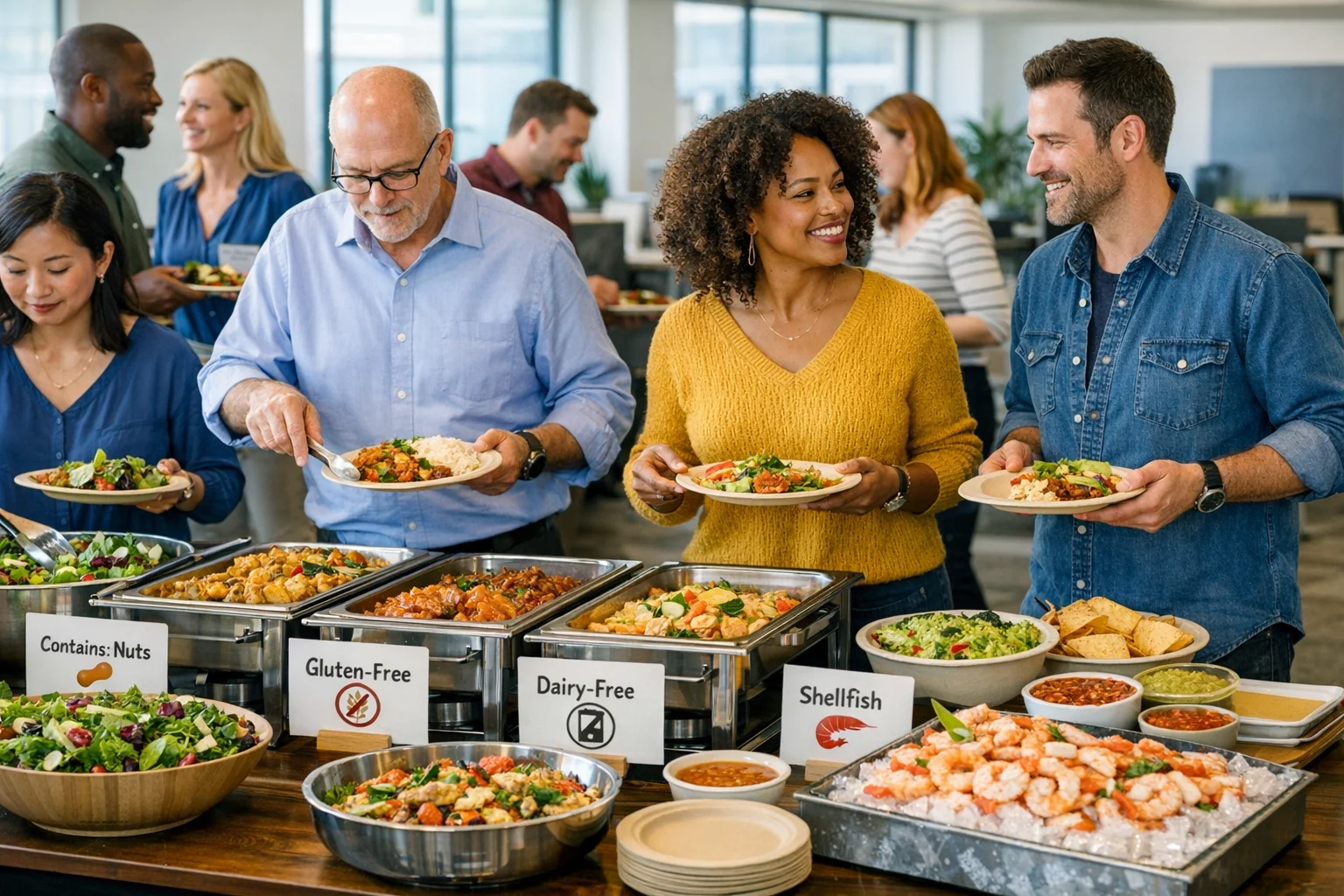
Why it works: Food breaks down silos. Teams compare sauces, judge burnt ends, and crown a bracket winner. Layer in blind tasting cards to keep it fair.
Best for: Department celebrations and cross-team mixers.
Pro tip: Provide vegetarian and gluten-free options so the whole team participates.
Why it works: Short walks between vendors keep conversations changing. Give teams a mini budget and a “passport” to stamp with photos and quick reflections.
Best for: New teams that need organic mingling.
Pro tip: Cap the crawl with a 3-minute lightning share: one surprising find and one idea to borrow for work.
Why it works: Creative constraints, no performance pressure. Teams complete a shot list featuring symmetry, forced perspective, and a “brand in the wild” moment.
Best for: Hybrid teams meeting in person after months apart.
Pro tip: Keep a rain plan: lobby art hunts and covered walkways work fine.
Why it works: Clear goal, shared clock, and natural role-splitting. Book back-to-back rooms and compare solve paths after. Visit KC lists options like Breakout KC in River Market for easy access from downtown hotels.
Best for: Intact teams practicing communication under time pressure.
Pro tip: After-action review is the secret sauce. What signals were missed? Who naturally facilitated?
Why it works: Memorable, confidence-building, and outdoorsy without a long drive. The Go Ape course in Swope Park mixes ziplines and obstacles with opt-in difficulty tiers. See details via KC Parks’ Go Ape page.
Best for: Active teams or leadership cohorts.
Pro tip: Offer an on-the-ground challenge track for anyone not climbing so the whole group stays integrated.
Why it works: Timed collaboration with immediate feedback you can eat. KC has solid cooking schools and pop-up classes; divide into stations and rotate leads.
Best for: Cross-functional teams practicing handoffs.
Pro tip: Assign roles in advance: expediter, plating lead, process recorder.
Why it works: Service creates honest connection fast. Shifts are structured, social, and high-impact at Harvesters—The Community Food Network.
Best for: Company days of service, values-centered offsites.
Pro tip: Close with a 10-minute meaning-making prompt so the impact sticks.
Why it works: Tactile projects reset brains. Candle pouring, leather key fobs, screen printing. People leave with a physical reminder of the day.
Best for: Creative sparks without competition.
Pro tip: Tie the final product to a team value or current initiative.
Why it works: Short, silly events scoreable in an app keep the room buzzing. Think tabletop shuffleboard, ring toss, giant Jenga, five-minute puzzle rounds.
Best for: Large groups needing high mingle density.
Pro tip: Rotate scorekeepers so everyone plays.
Why it works: Calm vibe, genuine conversation. Give each table a different puzzle brief: logic grid, micro LEGO build, riddle relay.
Best for: Teams that prefer low-key connection.
Pro tip: Add a “how we solved it” show-and-tell to surface team strengths.
Why it works: Storytelling without grandstanding. Teams storyboard, shoot on phones, and premiere 60-second shorts. Awards for editing, message clarity, and best cameo.
Best for: Distributed teams converging for a summit.
Pro tip: Provide a tight shot list and royalty-free music folder.
Why it works: Fast laughs and easy wins. Include a local round on neighborhoods, sports history, art, and landmarks so newcomers learn the city.
Best for: Cross-team mixers where people don’t all know each other yet.
Pro tip: Keep teams small enough that everyone speaks.
Why it works: Movement plus micro-conversations. Each stop prompts a two-minute partner question and a quick “find this” square to snap.
Best for: Big groups that need structured mingling.
Pro tip: Cap the ride with a short toast at a Plaza or Union Station spot.
Why it works: Light exertion, lots of sidelines banter, and a built-in warm-up session. It’s simple and nostalgic.
Best for: End-of-year gatherings that shouldn’t feel like work.
Pro tip: Book staggered arrivals so fittings don’t bottleneck.
Why it works: Purpose plus play. A mission-based challenge path through exhibits keeps the group together and adds a learning arc.
Best for: Company values days and multi-generational teams.
Pro tip: Mix observation tasks with quick debates to keep brains on.
Why it works: Shared tempo syncs a room quickly. A facilitator leads a percussion circle that ends with a tight, two-minute performance video.
Best for: Teams that need a reset after heavy meetings.
Pro tip: Provide earplugs and opt-out roles for sound-sensitive teammates.
Why it works: Real constraints, real outcomes. Pods propose low-lift improvements for a chosen block’s wayfinding, accessibility, or beauty, then pitch a three-step plan.
Best for: Strategy teams and leadership groups.
Pro tip: Keep the bar realistic: one-day, under-$500, partner-friendly.
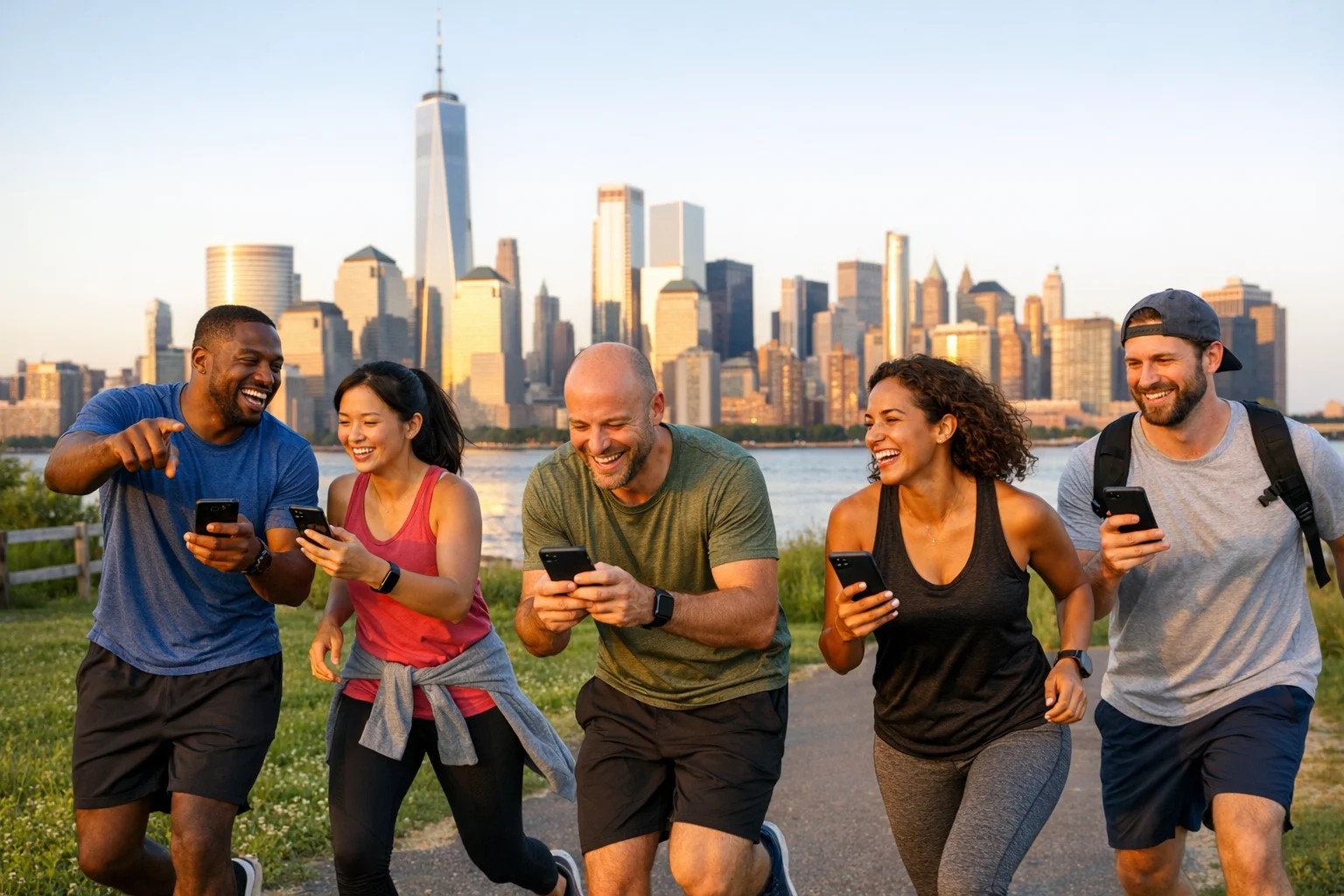
Drop these into an app-based hunt to activate Crossroads, Union Station, River Market, and the Memorial lawn. Use photo, video, GPS, QR, and quiz formats to mix skills. Scavify supports all of these, automates scoring, and runs in either app or browser so guests don’t get stuck on downloads.
If you want the easy button, Scavify’s Kansas City hunt templates cover Crossroads, River Market, Union Station, the Memorial lawn, and the Plaza, with options for timed routes and Streetcar-friendly paths. You can edit challenges, add company-specific trivia, and scale from 10 to 1,000 without changing the core setup.
Escape rooms in River Market or downtown, hands-on cooking classes, brewery trivia nights, and make-something workshops in West Bottoms all work well. They’re easy to scale, weather-proof, and close to hotels and meeting venues.
Plan stops along the fare-free KC Streetcar. It now connects River Market, downtown, Crossroads, the Plaza, and UMKC with frequent service, which keeps the agenda tight and the day simple.
Citywide scavenger hunts, progressive Streetcar challenges, volunteer shifts at Harvesters, and brewery game mini-olympics scale cleanly. Split into pods of 6–8, run staggered starts, and track progress in an app.
Aim for 90–120 minutes. That’s long enough for teams to hit flow, short enough to avoid fatigue. Add optional social time after if you want more connection without forcing it.
Add a brief reflection prompt at the end. Ask, “What worked here that we can borrow for our next sprint?” or “Where did we get stuck and how did we unstick it?” Capture two takeaways per team.
For small groups doing low-impact activities, you’re usually fine. For larger setups, amplified sound, or reserved areas, check with KC Parks or the venue’s event policies. When in doubt, call ahead.
Absolutely. Every activity above has an equally strong nonalcoholic version: tastings with NA pairings, brewery trivia with sodas and snacks, scavenger hunts and creative sprints that don’t involve drinks at all.
Pick one anchor location and one flexible format. For example: Boulevard tour plus a 45-minute trivia sprint, or a Nelson-Atkins sculpture garden creative challenge followed by a quick Streetcar hop to a team toast.