Solutions
Your first hunt, live this afternoon.
Free to start · No download for participants
Use engagement activities for remote teams to strengthen participation, trust, and retention with practical examples, rollout tips, and measurable next steps.
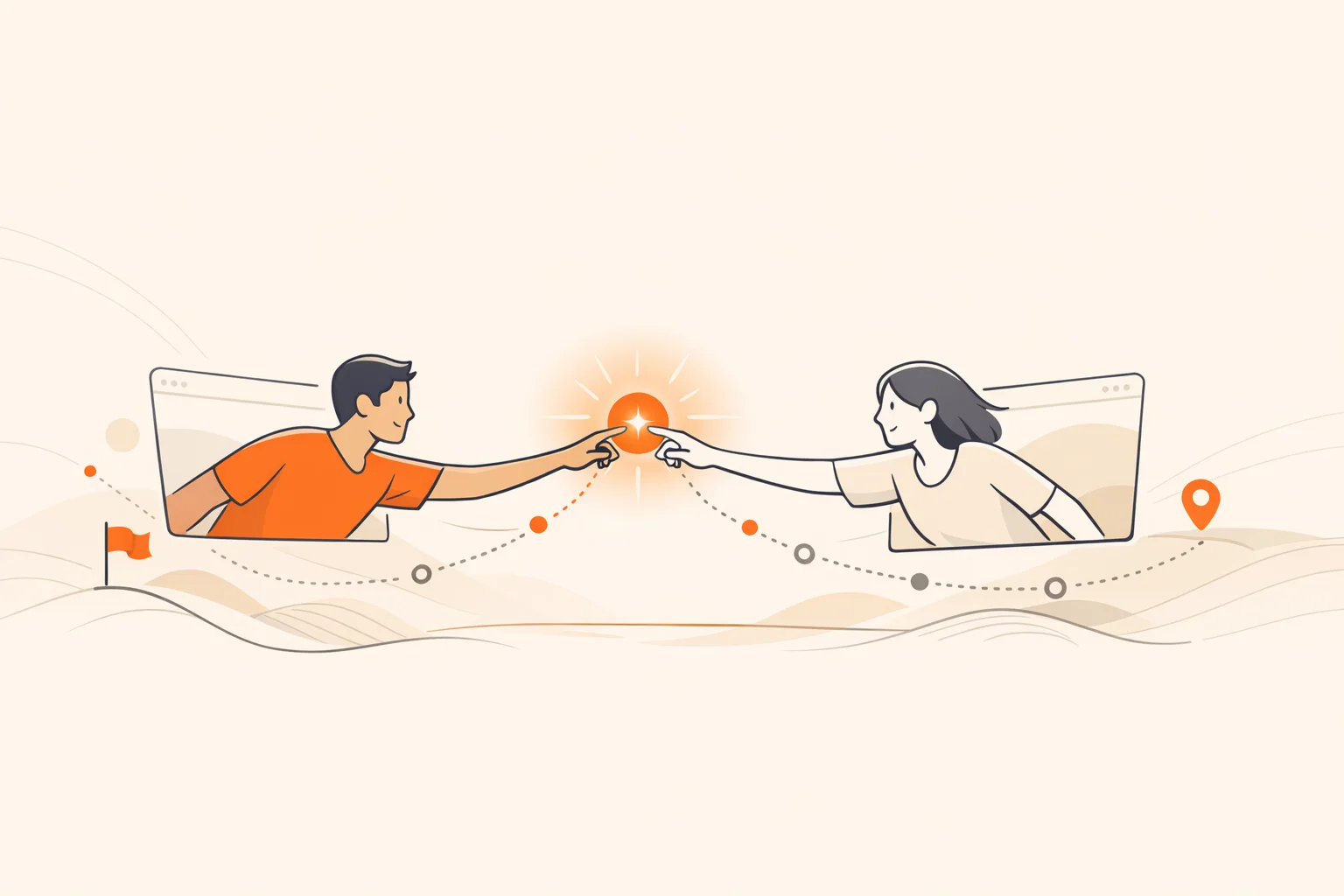
Remote engagement works when it respects how people actually work. Short, opt‑in, outcome‑tied activities beat long mandatory socials every time. The pattern we keep seeing: rituals that create quick wins, protect focus, and give people real reasons to talk to each other beyond status updates. Blend synchronous moments sparingly with strong asynchronous habits so participation never hinges on a single time zone.
You’ll find 25 field‑tested activities below, plus rollout tips and measurement you can share with leaders. Sprinkle, don’t flood. Tie each activity to a purpose. Then keep only what moves the needle.
Engagement isn’t a vibe; it’s a behavior pattern. Teams that see and hear each other regularly, ship small wins, and feel safe speaking up tend to sustain momentum. That last piece matters most. Google’s research on team effectiveness puts psychological safety at the center: people contribute more when they won’t be punished for taking interpersonal risks. See the practical playbooks in Google’s re:Work guide to team effectiveness. (rework.withgoogle.com)
Global engagement levels are still lower than most leaders expect, which is why deliberate rituals matter. Recent summaries from Gallup’s State of the Global Workplace underscore the gap between top‑quartile teams and everyone else, and why repeatable recognition and voice matter. See the latest global data summaries and 2025 report overview for context. Gallup’s State of the Global Workplace hub. (gallup.com)
A useful guardrail: balance rituals with focused work. Microsoft’s Work Trend Index tracks how heavy, unfocused meeting loads drain attention and stretch across time zones; the better pattern is fewer, sharper sessions with stronger async prep and follow‑through. See the 2025 Work Trend Index Annual Report. (assets-c4akfrf5b4d3f4b7.z01.azurefd.net)
Launch cycles with a 7‑minute icebreaker designed to make everyone feel like they’re winning. Ask a low‑stakes, work‑adjacent prompt, then invite one sentence from each person. Rotate the prompt weekly. Capture themes in chat and finish with a crisp “what we’re doing next.”
Short, creative prompts turn passive calls into participation. Run this as a 30‑minute burst or a 3‑day async challenge inside a platform. Mix photo, video, trivia, QR, and GPS‑style check‑ins so different strengths matter. If you want this turnkey, a dedicated scavenger hunt app like Scavify makes setup simple and automates scoring, feeds, and leaderboards without juggling five tools.
Ten minutes, one teammate, one practical tip. Keyboard shortcuts, a customer story, a spreadsheet trick. Record it for those asleep in other time zones.
Split into two breakout rooms with the same prompt. Each room drafts an answer on a shared doc. Rejoin and compare. The contrast usually reveals assumptions faster than a long debate.
Everyone adds two songs: one for focus, one for energy. Share in chat and ask for a one‑line why. It’s low effort and surprisingly connective.
Rotating mini‑updates from the edge of the business: a short clip or Loom from support, sales, or ops with a concrete observation and one question for the group to answer async.
Automate random 15‑minute pairings across teams with a bot. Give a light prompt so the chat isn’t small talk purgatory. Research consistently finds structured, low‑pressure connects build relationship capital over time; Buffer’s long‑running State of Remote Work series highlights the role of casual interactions for connection. See Buffer’s State of Remote Work. (buffer.com)
Replace generic praise with weekly shout‑outs tied to specific behaviors. Keep it public, specific, and small. In our experience, teams that ritualize recognition see steadier engagement than teams that wait for big wins. Gallup’s longitudinal engagement research points to the outsized effect of recognition on discretionary effort. See Gallup’s global summaries. (gallup.com)
Collect ideas in silence for five minutes in a shared doc. Then cluster, dot‑vote, and pick next steps. It equalizes airtime and respects introverts.
Three slides, five minutes, one story. Constraints keep this from meandering. Record and build an internal library.
Block a predictable 30‑minute window weekly with a tight topic, not just “drop in.” Post outcomes after, so those asleep can weigh in async.
Pair people for four weeks around a single skill. Provide a lightweight structure: one goal, one artifact, one end‑review. Hybrid WFH research shows structured flexibility improves retention without harming performance, which aligns with what we see when mentoring has a clear scope. See the 2024 study in Nature. (doi.org)
End the week with two prompts in chat: “One win,” “One oops.” Normalize learning without performative vulnerability.
Interest‑based channels (#books, #runs, #maker) anchored by a simple monthly rhythm: propose, do, share. This sticks better than one‑off socials.
Draw a quick map of who this work touches. Name three people outside the team to involve early. Then assign someone to nudge those connects.
AMAs work when you seed them. Share a 1‑pager first with the decision, constraints, and tradeoffs. Then run a 20‑minute AMA with questions upvoted in chat.
Pick one chapter, not a whole book. Everyone posts a 3‑sentence takeaway and one applied action. Done in a week, not a quarter.
Block two hours where meetings are off by default. Leaders go first and honor it. Microsoft’s work trend research keeps finding that teams need explicit protection to think; fewer, better rituals enable it. See the Work Trend Index hub. (microsoft.com)
Offer 10‑minute optional stretch or breathing breaks with cameras off, recordings on. Small, regular beats tend to outperform big, rare events.
Post a theme on Monday (“What progress looks like”). Each person adds one captioned photo during the week. Stitch the story Friday.
Turn onboarding into small quests that force lightweight cross‑team contact: meet two adjacent teams, post a question in a public channel, share one “how we work” improvement.
Nobody quits a game they are winning. Design the first quests to guarantee a win.
Skip props. Use a shared doc with layered clues, time box to 25 minutes, and require one answer per role (navigator, scribe, skeptic) so everyone participates.
Invite a customer to share one story live or via recording. Keep it tight, and ask the team to post one action they’ll try as a result.
Structure a 24‑hour relay around a real task. Each region advances the work and leaves a crisp handoff note. Companies that master asynchronous workflows consistently ship more with less meeting drag. GitLab’s public handbook is a practical reference for async norms. See GitLab’s async guide. (handbook.gitlab.com)
Give teams a shared cause. Offer both in‑person local options and remote micro‑volunteering. Debrief briefly on what people learned and who they met.
Leaders buy what you can show. Track a small, durable set of signals:
When you need broader framing for execs, cite independent research: the 2024 paper in Nature ties hybrid WFH to improved retention without hurting performance, while Microsoft’s Work Trend Index outlines why fewer, sharper meetings plus better async wins across time zones. (doi.org)
What’s the right cadence for remote engagement activities?
Lighter, weekly rituals tend to beat monthly marathons. Many teams run one 10–15 minute ritual plus one opt‑in event each month. Let metrics, not enthusiasm, decide what sticks.
How do we keep this inclusive across time zones?
Default to async. When live is necessary, rotate times, record, and summarize decisions in writing. Adopt a handbook‑first culture so absent teammates aren’t penalized. See the GitLab async guide. (handbook.gitlab.com)
Do these activities actually move performance?
Programs don’t replace good management, but structured, opt‑in connection plus solid async practice reduces friction. Independent research links hybrid WFH with improved retention and stable performance when designed thoughtfully. Nature 2024. (doi.org)
How do we avoid meeting creep?
Make a rule: live time is for decisions, connection, or practice. Everything else goes async. Microsoft’s Work Trend Index points to fewer, sharper sessions plus stronger prep as the pattern that helps. 2025 WTI. (assets-c4akfrf5b4d3f4b7.z01.azurefd.net)
What if engagement is already low?
Start with recognition rituals and micro‑wins. They’re fast to launch and build psychological safety, which research repeatedly links to performance and learning. Google re:Work; Gallup. (rework.withgoogle.com)
Which tools help most?
Use as few as possible. Anything that supports async docs, light automations, and simple pairing helps. If you want an activity platform purpose‑built for distributed play and recognition, Scavify’s browser + app flexibility and automation fit naturally into this list.
Remote engagement isn’t a campaign. It’s a rhythm. Start small, keep score, and let the activities that create real connection become the culture.