Solutions
Your first hunt, live this afternoon.
Free to start · No download for participants
Find easy scavenger hunt ideas, clues, and challenges for kids, families, classrooms, parties, and outdoor fun.
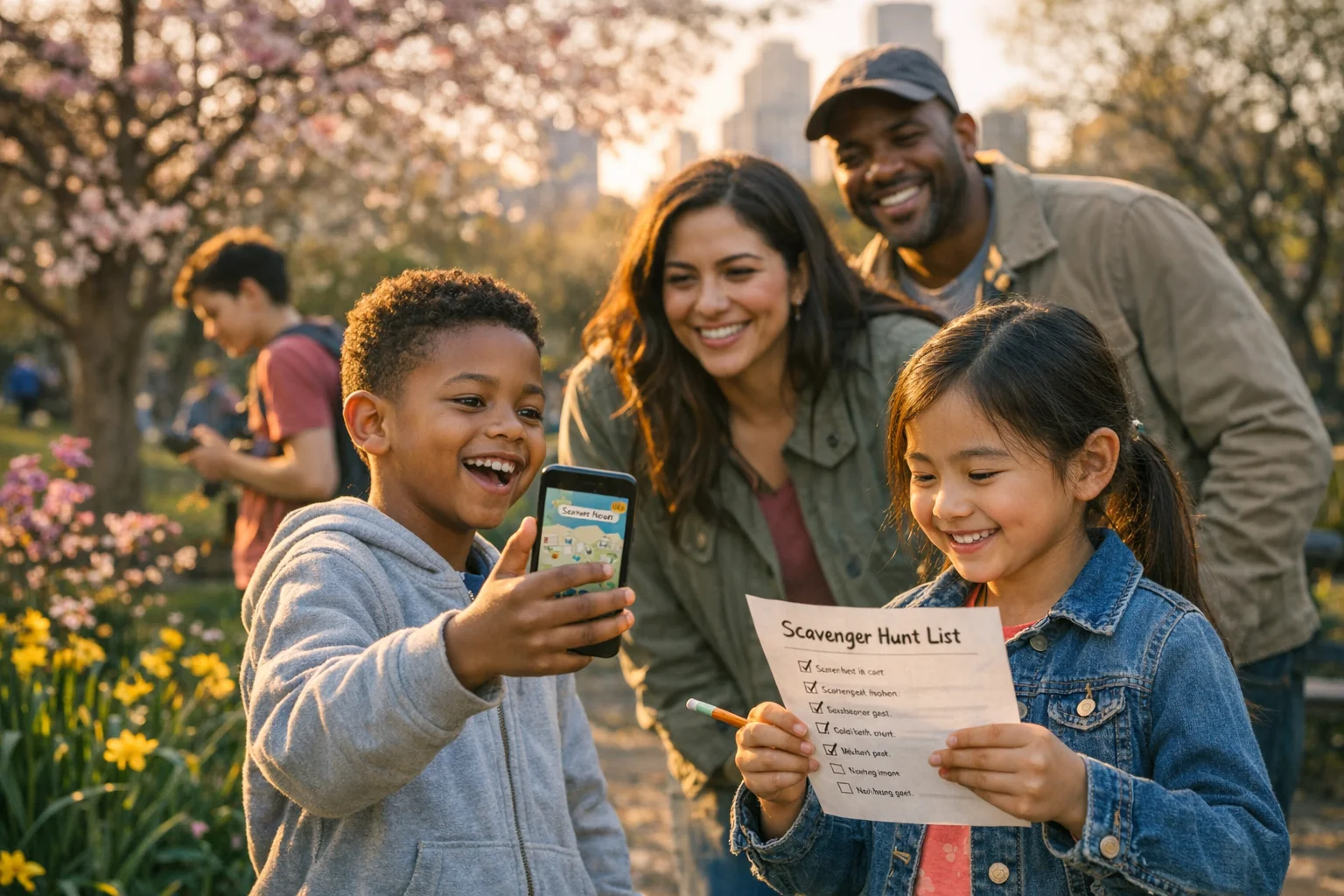
Spring shows up with color, sound, and movement. It practically begs you to turn a simple walk into a spring scavenger hunt. Below is a complete, field-tested guide with ready-to-run lists for walks, parks, and yards, plus indoor rain plans, classroom twists, and scoring tricks that keep the energy rising instead of fading.
A pattern we keep seeing: spring’s sensory overload gives you free game mechanics. New leaves mean color matching. Birdsong becomes audio clues. Puddles and mud become mini obstacle courses. You get engagement without needing elaborate puzzles.
Most teams respond well when challenges ask them to notice, compare, and capture. Spring does the heavy lifting. Your job is simply to tune difficulty, sequence variety, and make verification effortless.
Materials: phone cameras, a shared list or app, optional pencils, small prizes.
Timing: 30 to 60 minutes hits the sweet spot. Go shorter for younger kids.
Groupings: pairs or trios keep everyone involved. Larger groups can splinter.
Map: sketch simple boundaries. “From the playground to the footbridge” is enough.
Verification: photos, short videos, GPS check-ins, or quick multiple choice questions are faster than judge-led inspections.
In our experience, momentum dies when instructions sprawl. Keep the kickoff brief, demo one example, and start.
Keep the path simple. Use natural anchors like “from the trailhead to the footbridge.” Mix fast finds with one or two stretch items.
Pro tip: If birdsong is everywhere, let teams log three distinct sounds using an ID app as a bonus. Provide the optional link above so novices feel included. (birds.cornell.edu)
Parks offer structures, open fields, and predictable features. Use them. Quick sprints to fixed landmarks keep things snappy.
What usually shifts the dynamic is surprise. Drop a mid-game flash challenge like, “Trade hats within your team and take a group selfie.” It resets energy without derailing the route.
Backyards are perfect for younger kids and mixed-age families. Focus on textures, smells, and small-scale discoveries.
If you want blossom-specific clues, confirm your zone’s timing first so the list doesn’t ask for blooms that haven’t arrived. A quick peek at the USDA zone map prevents wild goose chases. (planthardiness.ars.usda.gov)
Rain will happen. Keep the spring theme and swap in sensory or story-based prompts.
Indoor hunts benefit from tight rounds. Run two 10-minute sprints instead of one long slog. Energy returns with each reset.
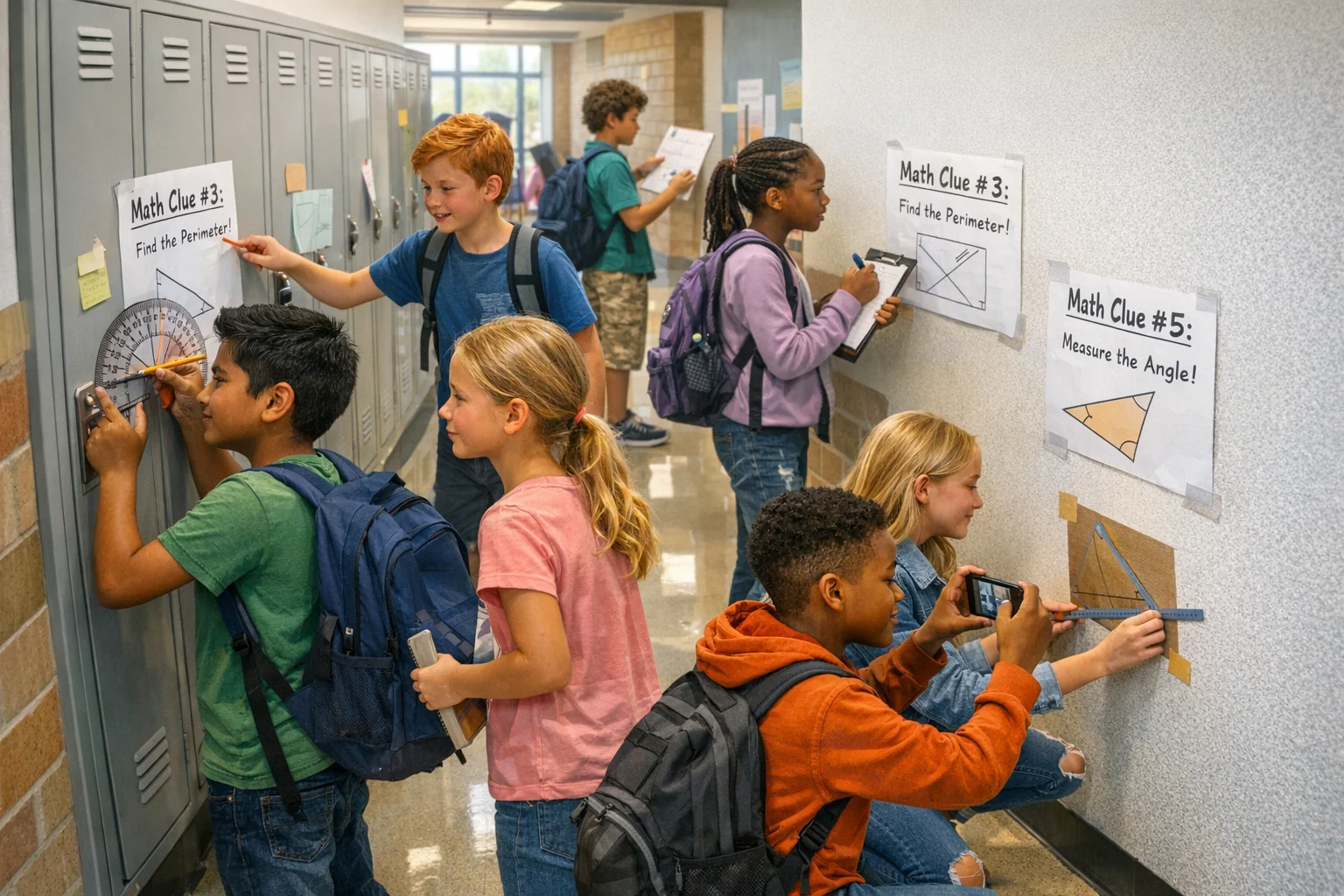
Classrooms and campuses are excellent for observational learning. Align prompts with what you want students to notice, not just what you want them to collect.
In our experience, quick explanations turn a scavenger hunt into experiential learning. Asking for a 10-second why beats any trivia card.
If you want to boost observation of birds across a large campus, offer an optional tool tip with the Cornell Lab’s Merlin overview. It gives students a way to confirm what they hear without turning the class into a tech demo. Link it once on the sheet and move on. (birds.cornell.edu)
Seasonal gatherings are perfect for playful twists. Keep competition friendly, build a single shared finale, and avoid anything that stalls the party.
For Earth Day themes, weave in light stewardship prompts: “Find litter, photograph before-and-after, then bin it.” For Easter themes, keep it inclusive by focusing on signs of spring rather than one tradition.
Every group benefits from clear boundaries and a fast first success. The quickest way to lose a crowd is to make them hunt for the very first clue.
Scoring isn’t just record-keeping. It’s pacing. Use point variety to create natural peaks. Sprinkle in bonus windows worth double points for five minutes. Add streaks for completing three tasks in a row. End with a finale that anyone can attempt so late joiners still feel in play.
If you’re running digitally, real-time leaderboards and instant verification keep the mood buoyant. Scavify’s app does this well with photo, video, GPS, QR, multiple choice, and Q&A challenges in one place, plus optional browser play for guests who prefer not to download. It removes friction so you can focus on the route, not the admin.
Printables are simple and familiar. They work for small groups, tight budgets, or very young players. The tradeoff is verification and tallying, which can slow your finale.
App-based play scales better. You can mix challenge types, auto-score, and show a live leaderboard without extra staff. If your crowd includes both phone-averse and phone-comfortable players, allow browser play alongside the app to keep the bar low.
In our experience, hybrid is best: share a printable overview and run the game digitally. People understand the plan at a glance, then enjoy fast feedback once they start.
Grab any set below and run it as written, or copy the structure and swap in local references.
A little identification goes a long way. Put one or two ID prompts on the list and make them optional. If you want sound-based bird clues, give participants a single reference up front and move on. The Merlin overview from Cornell Lab shows how sound ID can confirm common backyard and park species. It keeps the moment fun rather than academic. (birds.cornell.edu)
For sun planning and hydration reminders, keep it simple: check forecast, pack water, set a shade break. If UV looks high, shift your time or increase shade stops. The EPA’s UV scale guidance is an easy pre-check before you start. (epa.gov)
For seasonal plant-based clues, confirm your region’s general timing with the USDA zone map so you’re not asking for blooms that arrive a month later where you live. (planthardiness.ars.usda.gov)
And whether you’re in a city park or a trail, the Leave No Trace principles keep the hunt playful without harming the places you enjoy. Pack it in, pack it out, and leave the living things where they belong. (fs.usda.gov)
Blend visual finds (flowers, patterns), actions (short videos), location checks (GPS), and quick questions. Mix easy wins with one or two stretch prompts. Use photos for proof to keep judging light.
Thirty to sixty minutes usually works. Younger kids lean shorter. Larger groups need a buffer to avoid bottlenecks between challenges.
Ask for short explanations or comparisons. “Why did water pool here?” is better than a long worksheet. One or two optional nature ID prompts add texture without turning the hunt into a quiz.
Run a spring-themed indoor list with reflections, sound effects, and weather questions. Keep rounds short and run two sprints instead of one long game.
Pairs or trios keep everyone active. Bigger groups can work if roles rotate and the route has room to spread out.
Check the UV Index, bring water, set clear boundaries, and follow Leave No Trace so you don’t damage plants or habitats. Quick pre-game reminders are enough. See the EPA scale and the LNT principles linked above. (epa.gov)
Printables are fine for small, simple games. Apps shine for mixed ages, real-time scoring, and larger spaces. If you want both, share a one-page overview and run the actual scoring digitally.
Scavify streamlines spring hunts with challenge variety, auto-scoring, and live leaderboards, and it runs in a browser or app. That means fewer logistics and more play. If you’re coordinating across multiple locations or ages, the automation pays off.