Solutions
Your first hunt, live this afternoon.
Free to start · No download for participants
Explore student engagement ideas that increase participation, spark curiosity, and make learning more active.
College gets busy, then somehow still gets boring. The cure isn’t a bigger budget or louder posters. It’s better activities. The kind that start fast, lower social risk, and create visible momentum so students keep saying yes.
We put together 33 fun activities for college students that consistently deliver energy, belonging, and real participation. No fluff. Just what actually works on campuses.
A pattern we keep seeing: the more students move, choose, and create, the better they engage. That’s not just a vibe. The CDC’s overview of physical activity benefits for adults highlights immediate gains like better sleep and reduced anxiety, with guidelines that are easy to meet through short, active formats. (cdc.gov)
Active formats also align with how people learn. The EDUCAUSE overview of active learning summarizes a large body of practice showing that interaction and doing beat passive consumption. You don’t need a lecture hall to apply this. You need activities where students decide, move, and make things. (library.educause.edu)
On the student life side, involvement correlates with better outcomes. The NSSE overview of student engagement underscores how participation in purposeful activities connects to learning and personal development. Build programs that invite repeated, low-friction participation and you’ll see the compounding effect. (nsse.indiana.edu)
Finally, weave in service. Volunteering isn’t only good for the community; it supports well-being. A practical summary from the Mayo Clinic Health System on volunteering and health outlines benefits for mood, purpose, and social connection. Pair that with on-campus ease and you get turnout plus impact. (mayoclinichealthsystem.org)
Pop-up mini golf through campus Build a 6–9 “hole” course using cardboard, tape, and harmless obstacles in common spaces. Rotating start points prevents lines. Offer a creative putter contest on the side.
Silent disco takeover Headphone party that respects quiet hours and shy dancers. Add color channels for genres and a photo booth corner for the non-dancers.
Escape-the-hall puzzle crawl Instead of a single room, place puzzle stations around a building. Teams collect codes to unlock a final prize trunk. Timed windows keep flow steady.
Trivia circuit night Multiple micro-stations, each with a theme: campus history, memes, world capitals, music intros. Teams rotate every 6 minutes. No monologue host needed.
Maker sprint: Upcycle challenge Give teams a bag of “junk” and a prompt: build a desk caddy, phone stand, or dorm art. Quick gallery walk at the end. Invite the campus sustainability crew to judge.
Glow-in-the-dark capture the flag Use glow sticks for boundaries and flags, plus low-light safety rules. Works best on a lit field with simple zones and volunteers as safety spotters.
Food truck passport Three trucks, one stamp card, a small prize at three stamps. Stagger trucks to avoid crowd crush. Add a “try something new” bonus.
Dorm room concert series Musicians host 15-minute micro-sets in lounges. Keep the audience cap small and run a signup board. Short sets reduce stage fright and increase variety.
Sunset steps: campus stair climb A simple, social workout on a landmark staircase. Set an “as many laps as you like in 20 minutes” target and play a collaborative playlist.
Outdoor movie roast Comedy encouraged. Hand out prompt cards (plot holes, best line, wild prediction). People participate without grabbing a mic.
Board game swap & speed-learn Tables by complexity: 5-minute, 15-minute, and 45-minute games. Volunteers teach a quick round so newcomers can jump in.
Paint-and-play courtyard Easels, chalk, and washable paint with lo-fi music and lawn games. Not an art class, just open creative space with easy prompts.
Micro-volunteering fair Ten-minute tasks students can complete on-site: write kindness notes, assemble hygiene kits, record children’s story audioclips for local libraries. Stamp cards track contribution.
Campus cache quest (geocaching lite) Hide weatherproof boxes with notebooks and trinkets. Publish coordinates and playful riddles. Build a culture of “take something, leave something.”
Throwback field day Low-skill, high-laugh stations: three-legged race, rubber chicken toss, human ring toss. Quick reset between heats keeps the energy up.
Open-mic, low-mic Soft-volume acoustic mic night. Cap sets at two minutes so more voices fit. Offer a pre-signup for poets and first-timers.
Speed-friendship tables Rotating prompts, two minutes each: “Favorite small joy,” “Underrated campus spot,” “Song you overplayed.” End with an opt-in contact exchange.
Study break snack lab No chef needed. Three mix-and-match bars: trail mix, toast toppings, and fruit dips. Add a “best combo” whiteboard for bragging rights.
Mini hackathon-lite Four-hour build sprint with broad prompts: “Make campus life 1% better.” Showcase at the end. Celebrate prototypes, not polish.
Language swap café Color-coded table tents for languages; 10-minute rotations. Provide simple starter scripts for beginners so they can say more than hello.
Photography walk with constraints Give each participant a theme and three constraints: reflection, symmetry, something tiny. Share results in a hallway gallery.
Service + snacks: campus cleanup Give out routes, gloves, and reflective vests. Add a light competition: most unusual find, neatest sorting, best team name. Debrief with cocoa.
Tiny desk craft fair Students sell or trade small creations: stickers, crochet, zines. Keep table sizes small and fees minimal or zero to reduce friction.
Boulder-buddy belay night Partner up at the climbing wall with intro instruction. Offer an “I’m new” lane and celebrate first-top reaches.
Minute-to-win-it dorm decathlon Ten 60-second challenges spread across a floor. People can drop in for one or try all ten. Track completions more than scores.
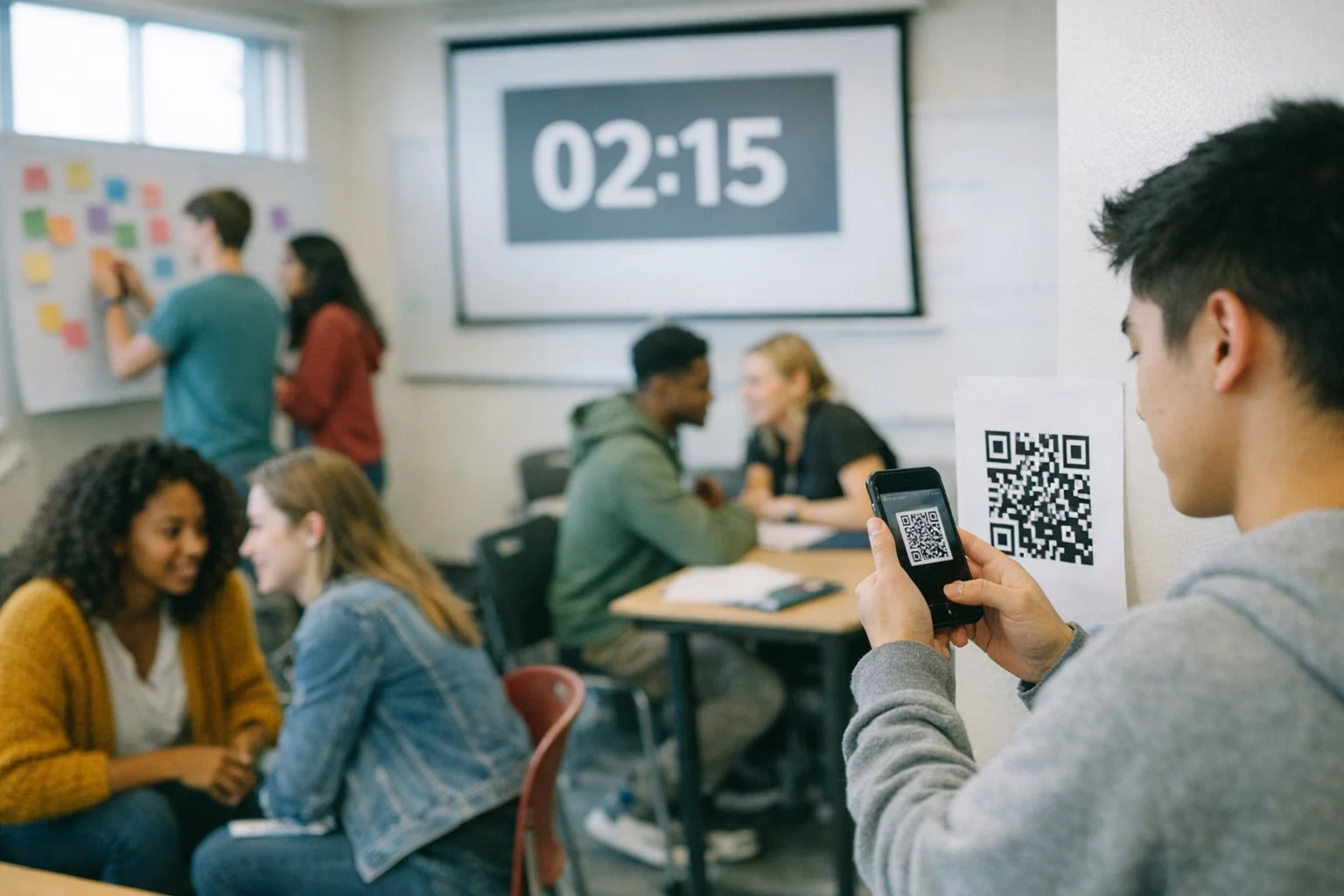
QR trail of campus stories Place QR codes at meaningful spots. Each code plays a 30–60 second student-recorded story. Easy, asynchronous discovery.
Late-night breakfast crawl Open three dining spots with one signature item each. Students collect all three to unlock a simple sticker or digital badge.
Collaborative chalk mural Sketch a light outline and invite passersby to color sections. Progress is visible, social, and invites more participation.
Speed-run service learning Faculty and community partners co-host a 90-minute micro-project aligned to a course theme. Reflect for ten minutes at the end and capture takeaways on cards.
Mystery campus race Teams follow clue envelopes to quick tasks: stack cups, identify a campus sound, solve a riddle. Keep stations close to reduce sprinting.
Wellness sampler Five-minute intros to yoga, guided breathing, stretching, and laughter exercises. Students try one or all. Offer a simple tracker they can keep.
“Teach me in 10” peer sessions Students lead ultra-short sessions on anything they love: beatboxing basics, bullet journaling, latte art with dorm gear. Cap it at ten minutes and keep it playful.
In our experience, the events that keep growing share three traits: quick starts, visible progress, and a reason to come back next week. If you want to run challenge-based experiences without extra staffing, tools like Scavify make it easy to set up varied tasks, automate verification, and scale from a residence hall to the whole campus.
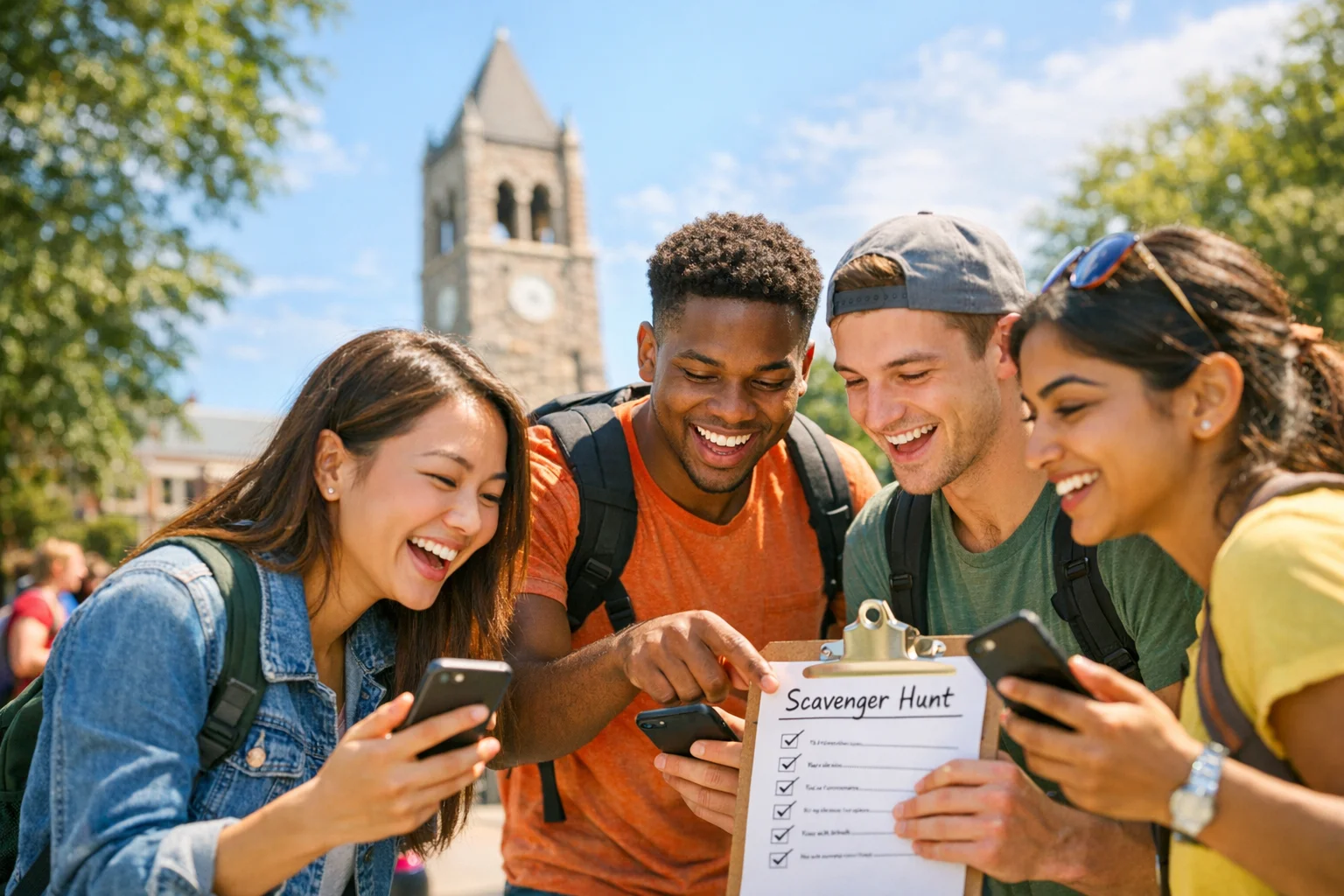
Low-cost winners: campus scavenger hunts, trivia circuits, collaborative chalk murals, mini maker sprints with recycled materials, and micro-volunteering fairs. Each starts quickly and uses spaces and supplies you already have.
Use open time windows, multiple identical stations, and rotating starts. Swap one big stage moment for lots of small interactions students can do in any order.
Clear purpose, easy first action, and visible progress. Also, mix formats so there’s always a low-social-pressure path in for new or hesitant students.
Offer multiple roles (player, scorer, observer), vary noise levels and lighting, and publish plain-language instructions. Provide sensory-friendly spaces and asynchronous options like QR trails or self-paced challenges.
Aim for reliable weekly or biweekly anchors plus pop-ups. Reliability builds habits; pop-ups create novelty. Keep durations short so students can say yes between commitments.
Use reflective prompts and small artifacts: photo evidence with a caption, a “what surprised you” card, or a 60-second share-out. Active formats align with the EDUCAUSE view of learning-by-doing while still feeling social. (library.educause.edu)
Design for movement and choice. Short, optional bursts like “Sunset steps,” capture the flag, or wellness samplers align with CDC-noted benefits of physical activity and land as fun, not lectures. (cdc.gov)
Make them bite-sized and on-campus when possible. The Mayo Clinic Health System’s roundup of volunteering benefits is a helpful framing when recruiting partners and participants. (mayoclinichealthsystem.org)
Why this list works: it’s built around real patterns we’ve seen across orientations, residence life, and campus events. If you want help turning these into automated, points-based challenges with photo proofs, check-ins, and live leaderboards, Scavify was made for exactly that.