Blog » 25 Tips And Ideas For Your Office Scavenger Hunt

24 Surprisingly Fun Office Scavenger Hunt Ideas Employees Will Love

Updated: May 26, 2026

An office scavenger hunt is a short, structured set of challenges that gets coworkers moving, noticing details, and talking to people they don’t usually talk to. Done well, it’s equal parts micro-adventure and subtle team tune-up. It works for onboarding, quick energy resets, culture-building, and those moments when the room needs a spark that isn’t another presentation.

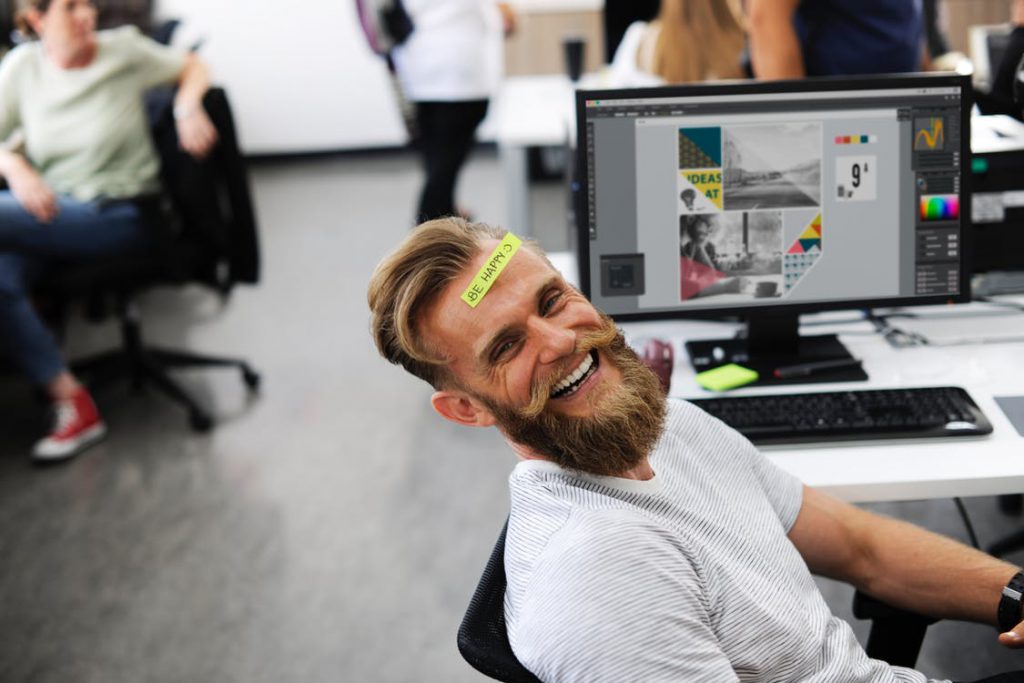
guy with beard in office smiling ear to ear

At a Glance

  • Design around movement and connection. Short hunts nudge social ties and fresh attention.
  • Mix challenge types. Blend clues, photos, QR codes, trivia, and people-to-people prompts.
  • Scope to reality. Build 10–20 quick missions for 15–45 minutes, not a half-day odyssey.
  • Protect privacy and flow. Set simple photo norms and keep disruption low.
  • Automate the admin. Use an app for scoring, uploads, and real-time progress.

What an office scavenger hunt is

An office scavenger hunt is a time-boxed series of bite-size tasks teams complete across your actual workspace. Think locate-and-snap, answer-and-earn, meet-and-learn. Participants move with a purpose, notice artifacts of culture and process, and collect small wins together.

Why it works in offices: movement, novelty, and quick feedback. Micro-breaks like these are linked to better short-term energy, which is useful when you’re fighting post-lunch drift or onboarding overload, as a meta-analysis on micro-breaks notes. See the research synthesis on micro-breaks and wellbeing in this PLOS ONE review. (pmc.ncbi.nlm.nih.gov)

Hunts also make space for low-stakes social ties. That’s not fluffy. Gallup has long found that close relationships at work are associated with stronger engagement and retention. For context, see Gallup’s overview on why a “[best friend at work]” connection matters to engagement and outcomes](https://www.gallup.com/cliftonstrengths/en/406298/why-having-best-friend-work-important.aspx). (gallup.com)

Finally, the best hunts create psychological safety around trying, guessing, and speaking up. That’s table stakes for effective teams. For a crisp primer, listen to HBR’s discussion with Amy Edmondson on creating psychological safety at work](https://hbr.org/podcast/2019/01/creating-psychological-safety-in-the-workplace). (hbr.org)

How do you create an office scavenger hunt?

First, start with creating a list of items, riddles, locations, etc. that employees will need to find, solve, or visit. Next, break your office into teams or individuals who will work on their own list and compete against others. Once you have your list and teams set you can set the start and end time and let your employees get to work on ticking items off their list. At the end of the hunt, tally the points and determines the winners.

  1. Create a list of items, riddles, and challenges
  2. Break office into teams or individuals
  3. Set a start and end time
  4. Tally the points from each team
  5. Give prizes to top finishers

While we may be a little biased on this one, there is no denying that an app will make the planning and deployment process for your team building scavenger hunts a cake walk! Using a scavenger hunt app like Scavify, you'll be able to base your hunt around a digital list of items, automate all scoring and submission tracking, and empower your employees to use the technology already existing on their smartphones to join in on the fun!

Pro tips for organizing your workplace scavenger hunt

Some pro tips to consider when creating your office scavenger hunt.

Optimal Team Size: ~3-5 people per team

Manage the size of each scavenger hunt team to ensure that there’s enough opportunity to meet new people without employees feeling like they’re lost in a crowd.

Optimal Duration: ~2-4 hours

Schedule an appropriate length of time which gives your teams enough room to run through as many scavenger hunt challenges as possible, without ending up with teams who finish quickly and have too much time to mill around and get bored.

Optimal Length for List of Challenges: 20-40 challenges

When you’re building out your list of challenges, aim for the sweet spot of 20-40 items. This is enough to keep teams busy without being overwhelming in volume. Pro tip: mix up the difficulty level (easy, medium, and difficult) and adjust your number of challenges accordingly.

Building an office scavenger hunt?

Build the ultimate adventure with our innovative scavenger hunt app.

Start Free or get a demo

25 ready-to-run office scavenger hunt examples

Below are ready-to-run prompts. Use them as-is or tweak names and locations. Each line shows a recommended challenge type and a point value. Keep rounds brisk. Celebrate creativity.

Desk hunt

  • [Photo | 20 pts]: Find the desk mascot with a story older than yours.
  • [Q&A | 15 pts]: Which desk object here solves a daily team headache?
  • [QR Code | 25 pts]: Scan the hidden code under something that rolls.

Onboarding hunt

  • [Photo | 20 pts]: Snap the wall where our mission hides in plain sight.
  • [Q&A | 25 pts]: Ask a mentor: “Unofficial first-week tip everyone forgets?”
  • [Multiple Choice | 20 pts]: Our second office opened in which year?

Floor-by-floor hunt

  • [GPS Check-in | 25 pts]: Check in at the floor with the quietest carpet.
  • [Photo | 15 pts]: Capture the view that first-timers always photograph.
  • [Q&A | 20 pts]: Which stairwell sign is unintentionally motivational?

Culture hunt

  • [Photo | 20 pts]: Find the artifact from our scrappy beginning years.
  • [Q&A | 25 pts]: What unwritten rule makes days here work better?
  • [Multiple Choice | 20 pts]: Our core value that starts the day is which?

Trivia hunt

  • [Multiple Choice | 15 pts]: Which team shipped last quarter’s fastest fix?
  • [Q&A | 20 pts]: Name one tradition that started by accident and stayed.
  • [Q&A | 20 pts]: Which year did we outgrow the first break room?

Photo hunt

  • [Photo | 20 pts]: Recreate the throwback photo on the history wall.
  • [Photo | 25 pts]: “Three perspectives”: same object, three angles, one collage.
  • [Photo | 15 pts]: Capture a pattern most people walk past every day.

Wellness hunt

  • [GPS Check-in | 20 pts]: Check in at the farthest water station on this floor.
  • [Photo | 20 pts]: Five flights or fifteen squats: show a quick movement burst.
  • [Q&A | 15 pts]: Share one micro-break move that reliably resets you.

Quick note: short, purposeful movement can lift ideation. A classic experiment found walking boosted divergent creativity in the moment and shortly after. See the original journal abstract on walking and creative thinking. (pubmed.ncbi.nlm.nih.gov)

Conference-room hunt

  • [QR Code | 20 pts]: Scan the code hidden in a room name’s origin clue.
  • [Photo | 15 pts]: Spell a value using only objects in this room.
  • [Q&A | 20 pts]: What quirky policy keeps these rooms bookable and sane?

Department-mix hunt

  • [Video | 25 pts]: 10-second tip from a department you rarely work with.
  • [Q&A | 20 pts]: What does their team wish others understood about their work?
  • [Photo | 15 pts]: Cross-team selfie at a spot neither team “owns.”

Bonus rapid-fire finds

  • [Photo | 15 pts]: Something older than the newest teammate here.
  • [Q&A | 20 pts]: One tool everyone uses but nobody officially trains on.
  • [Photo | 20 pts]: A tiny celebration happening somewhere right now.
  • [QR Code | 25 pts]: Code taped where ideas quietly begin each morning.

That’s 25. Mix 10–15 for a 20–30 minute run, or all 25 for a longer rotation across teams or floors.

Office challenge templates you can copy

Use these as plug-and-play patterns. Swap in your own people, places, and lore. Keep the wording short enough to be intriguing. Reward creative interpretation.

Clue-based finds

  • [Photo | 20 pts]: Find the place ideas percolate without a calendar invite.
  • [Photo | 20 pts]: Locate the object that keeps 3 PM from feeling like 6 PM.
  • [QR Code | 25 pts]: Scan the code behind the thing that squeaks but forgives.
  • [Q&A | 15 pts]: What quietly signals “we’re shipping” around here?
  • [Photo | 20 pts]: Capture the shadow that looks like our logo if you squint.

Coworker icebreakers

  • [Q&A | 20 pts]: Ask someone: what’s a tiny ritual that helps your day start?
  • [Video | 25 pts]: Record a teammate’s 5-second “pro tip” on a common task.
  • [Q&A | 20 pts]: Trade first-week stories. What was unexpectedly easy or hard?
  • [Photo | 15 pts]: A handshake, high-five, or wave with a new-to-you colleague.

Why icebreakers? Because weak ties and friendly familiarity tend to correlate with better engagement, and engagement connects to retention and wellbeing in large meta-analyses like Gallup’s Q12 research](https://www.gallup.com/workplace/321725/gallup-q12-meta-analysis-report.aspx). (gallup.com)

Photo tasks

  • [Photo | 20 pts]: Tell a “before/after” story in two frames, same spot.
  • [Photo | 25 pts]: Capture motion blur that reads as “fast but calm.”
  • [Photo | 15 pts]: Object close-up that becomes a riddle for others.
  • [Photo | 20 pts]: A reflection that reveals something people miss.

Set simple photo norms. If you plan to publish images externally, many organizations advise signs or notices at events to inform attendees, plus opt-out mechanisms. See practical guidance on event photography notices and consent. (dataprotection.ie)

Collaboration tasks

  • [Video | 25 pts]: Two teammates improvise a 10-second “how we unblock work.”
  • [Q&A | 20 pts]: Ask another team what slows handoffs, and how to help.
  • [Photo | 20 pts]: Build a tiny process diagram with desk items, then snap it.
  • [Q&A | 20 pts]: “Teach us one vocabulary word your team uses daily.”

Collaboration sticks better when people feel safe to try, ask, and risk small mistakes. If this is new ground, HBR’s primer on psychological safety is a good listen to align leaders and facilitators](https://hbr.org/podcast/2019/01/creating-psychological-safety-in-the-workplace). (hbr.org)

Company-values prompts

  • [Q&A | 20 pts]: Where did we practice a value without naming it this week?
  • [Photo | 20 pts]: Capture a corner that looks like our value “ownership.”
  • [Q&A | 15 pts]: What small behavior makes this value visible to customers?
  • [Photo | 20 pts]: Three objects that spell the first letter of each value.

Creative desk challenges

  • [Photo | 20 pts]: Turn everyday items into our logo in under a minute.
  • [Q&A | 15 pts]: What tool here saves an hour each week if used well?
  • [Photo | 20 pts]: Build a domino path that ends at “done,” then snap.
  • [Q&A | 20 pts]: One thing on your desk with a story worth telling.

Filters by office context

The same hunt can feel wildly different depending on time, space, and team constraints. Use these filters to right-size without losing momentum.

15-minute micro-hunt

  • Purpose: Reset energy between meetings; quick social lift.
  • Build: 8–10 missions max. Favor photo, Q&A, and 1–2 QR codes.
  • Tip: Keep everything on a single floor to avoid elevator tax.
  • Why it works: Short movement and novelty can refill the tank. See the micro-breaks review for wellbeing benefits from brief pauses. (pmc.ncbi.nlm.nih.gov)

Lunch break hunt

  • Purpose: Midday connection and discovery without rebooking calendars.
  • Build: 12–18 missions; mix desk, conference, and culture prompts.
  • Tip: Add 1 “wildcard” creativity challenge people can complete while walking back from lunch. Walking can nudge divergent thinking, per the Stanford study on creativity. (pubmed.ncbi.nlm.nih.gov)

Hybrid office

  • Purpose: Bridge in-office and remote without leaving anyone watching passively.
  • Build: Pair on-site teammates with remote partners. On-site capture photos or scan QR codes; remote partners answer trivia, decode clues, and prompt people-to-people tasks over chat.
  • Tip: Add “mirror” missions so remotes contribute equally: e.g., “Find an artifact in your workspace that represents focus,” shared on camera.

Large company

  • Purpose: Scale without chaos.
  • Build: Spin up simultaneous regional hunts using the same mission pack; auto-aggregate leaderboards.
  • Tip: Use department-mix tasks to prevent siloed teams from only playing with themselves.
  • Admin: Pre-clear photo-use norms with comms/legal once, then reuse across events with minor edits.

Small team

  • Purpose: Keep it light and personal.
  • Build: 8–12 missions; prioritize Q&A and video prompts that reveal habits and tips.
  • Tip: Rotate a different teammate as “mission author” each month.

New hires

  • Purpose: Make onboarding human and navigable.
  • Build: A recurring mission pack that points to resources, spaces, and real people.
  • Tip: Spread across the first 2–3 weeks to avoid day-one overload. SHRM’s onboarding guidance emphasizes pacing to prevent information fatigue and boost early clarity](https://www.shrm.org/topics-tools/topics/onboarding/process). (shrm.org)

Low-disruption

  • Purpose: Keep work humming while people play.
  • Build: Photo and Q&A tasks that can be completed within 10–20 feet of desks, plus 1–2 conference-room challenges.
  • Tip: Avoid missions that require moving equipment or interrupting focused work.

Indoor only

  • Purpose: Weather, security, or building rules.
  • Build: Desk, hallway, meeting-room puzzles; QR codes under chairs, behind signs, near but not on safety equipment.
  • Tip: Avoid elevators if you’re short on time. Stairs = better flow.

Bonus: Steal These 10+ Office and Workplace Themes

More ideas to keep employee moving and having fun.

1. Office Oddities

The Office Oddities scavenger hunt theme adds a touch of fun and excitement to the search for quirky or unusual items in the office. Teams will embark on a quest to find objects or elements that stand out from the ordinary, such as unique decorations, funny office memes, or peculiar office supplies. This theme encourages participants to explore their surroundings with a sense of curiosity and humor. By searching for and documenting these office oddities, team members can have a laughter-filled experience and create memorable moments. The Office Oddities theme fosters a lighthearted and enjoyable atmosphere in the office, promoting team camaraderie and a sense of levity amidst daily tasks. It encourages participants to appreciate the unique quirks and characteristics that make their workplace an interesting and vibrant environment.

  • Photo Challenge: I'm the king of paper clips, adorned in all my glory. Take a photo of your team making a crown out of as many paper clips as possible, with me as your royal centerpiece.
  • Video Challenge: I'm the curious door that leads to nowhere, inviting you to step into the extraordinary. Create a short video of your team playfully pretending to journey through the mysterious door, complete with dramatic sound effects and imaginative storytelling.
  • Question Challenge: I'm the source of enigmatic wisdom, challenging you with puzzling questions. Answer this riddle correctly to earn your points: "I speak without a mouth and hear without ears. I have no body, but I come alive with wind. What am I?" Answer: Echo
  • GPS Challenge: I'm the secret corner, hidden amidst the office chaos. Find me and check-in to immerse yourself in a tranquil and calming space. Take a moment to appreciate the serene ambiance and collect your well-deserved points.

2. Technology Time

In this office scavenger hunt theme, teams will go on a search for items related to technology or office gadgets. This can include objects like USB drives, keyboards, headphones, or other tech accessories. The goal is to explore the office environment while focusing on technology-related items. It not only encourages participants to familiarize themselves with the technological resources available, but also promotes teamwork and collaboration as they work together to find and document the items on their scavenger hunt checklist. The Technology Time theme adds a fun and engaging element to the scavenger hunt, allowing employees to combine their problem-solving skills with their knowledge of office technology.

  • Photo Challenge: Capture a photo of your team members doing a "tech tower" pose with laptops stacked on top of each other.
  • Video Challenge: Create a short video of your team performing a synchronized dance to a popular tech-related song, using smartphones or tablets as props.
  • Question Challenge: Answer this tech-related question correctly to earn your points: "What does the acronym 'HTML' stand for?" Answer: Hypertext Markup Language
  • GPS Challenge: Find and check-in at the designated tech hub in your office space, where employees can go to troubleshoot tech issues or test the latest gadgets.

3. Team Traditions

This office scavenger hunt theme revolves around the unique traditions or inside jokes specific to your team. Teams will embark on a quest to locate items or symbols that represent the cherished traditions or memorable moments shared within the team. It encourages employees to reflect on their team's history, camaraderie, and shared experiences. By searching for and documenting these elements, team members have an opportunity to strengthen their bond, revive nostalgic memories, and build a sense of unity. The Team Traditions theme adds a personal touch to the scavenger hunt, fostering a fun and sentimental atmosphere that celebrates the team's unique identity and reinforces the team spirit.

  • Photo Challenge: Snap a photo of your team members holding hands in a circle, symbolizing the strength of your team bond.
  • Video Challenge: Create a short video of your team performing a unique team cheer or chant that represents your team's spirit and unity.
  • Question Challenge: Answer this team-related question correctly to earn your points: "What is the name of the annual team-building event that your team participates in?" Answer: [Name of the annual team-building event]
  • GPS Challenge: Find and check-in at the location where your team typically gathers for lunch or breaks, known as the "team hangout spot".

4. Creative Corner

The Creative Corner scavenger hunt theme focuses on finding artistic or creative elements within the office space. Teams will embark on a quest to discover and document items like artwork, colorful decorations, inspiring quotes, or any other visually appealing elements that showcase creativity. By exploring the office environment with an artistic lens, participants get a chance to appreciate the unique expressions of creativity in their workplace. This theme encourages teams to think outside the box, appreciate different forms of artistic expression, and foster a sense of creativity and inspiration within the office. The Creative Corner theme adds an element of imagination and artistic flair to the scavenger hunt, creating a visually stimulating and engaging experience for participants.

  • Photo Challenge: Take a photo of your team members each posing as a famous artist or character from a well-known painting or artwork.
  • Video Challenge: Create a short video showcasing your team's improvisational acting skills by reenacting a scene from a popular movie or play. Add a creative twist to make it unique to your team.
  • Question Challenge: Answer this creative-related question correctly to earn your points: "Who is the author of the famous novel 'To Kill a Mockingbird'?" Answer: Harper Lee
  • GPS Challenge: Find and check-in at the designated creativity corner in your office space, where employees can freely express their artistic talents or brainstorm innovative ideas.

5. Healthy Habits

The Healthy Habits scavenger hunt theme focuses on promoting wellness and cultivating a healthy work environment. Teams will search for items or objects that represent healthy habits, such as exercise equipment, healthy snacks, water bottles, standing desks, or wellness resources. This theme encourages participants to explore the various wellness initiatives and resources available in the office. It aims to raise awareness about the importance of physical and mental well-being in the workplace, fostering a culture of health and self-care. The Healthy Habits theme adds a wellness-focused aspect to the scavenger hunt, inspiring teams to prioritize their health and encouraging conversations about overall well-being within the office.

  • Photo Challenge: Snap a photo of your team members engaging in a group stretching or yoga session, promoting physical wellness and flexibility.
  • Video Challenge: Create a short video demonstrating a healthy recipe or snack preparation that can be enjoyed in the office, emphasizing the importance of nutritious eating habits.
  • Question Challenge: Answer this health-related question correctly to earn your points: "What is the recommended daily intake of water for adults?" Answer: The recommended daily intake of water for adults is approximately 8 cups (64 ounces) or 2 liters.
  • GPS Challenge: Find and check-in at the location of your office's wellness room or designated area for activities like meditation, reflection, or relaxation.

6. Office History

The Office History scavenger hunt theme delves into the rich history and legacy of the workplace. Teams will embark on a quest to discover artifacts, items, or symbols that hold significance in the history of the company or office. This can include old photographs, documents, memorabilia, or even stories passed down through generations of employees. By exploring the office through an historical lens, participants gain a deeper understanding of the organization's roots, values, and milestones. The Office History theme encourages teams to appreciate the heritage and evolution of the workplace, fostering a sense of pride and connection to the legacy of the company. It provides an opportunity for team members to learn from the past and reflect on how it has shaped the present.

  • Photo Challenge: Take a photo of your team members posing beside the founding members' portraits or a significant historical artifact in your office, honoring the rich history of your organization.
  • Video Challenge: Create a short video where team members reenact a significant moment from the company's past, such as the launch of a successful product or a milestone achievement.
  • Question Challenge: Answer this office history-related question correctly to earn your points: "In what year was the company founded?" Answer: The answer will depend on the specific history of the company.
  • GPS Challenge: Find and check-in at the location of the first office or the place where the company was initially founded, paying homage to the roots of your organization.

7. Collaboration Central

The Collaboration Central scavenger hunt theme focuses on locating items or spaces within the office that foster teamwork and collaboration. Teams will embark on a quest to find objects like whiteboards, collaboration spaces, project management tools, or any other elements that encourage working together. This theme places an emphasis on the importance of effective collaboration in the workplace. By searching for and documenting these collaboration-focused elements, team members can reflect on the significance of teamwork, communication, and shared goals. The Collaboration Central theme promotes a culture of collaboration, participation, and collective problem-solving. It encourages teams to explore the office environment, interact with different collaborative tools, and engage in conversations about the importance of working together to achieve common objectives.

  • Photo Challenge: Take a photo of your team members gathered around a whiteboard or collaboration space, brainstorming and sharing ideas for a project.
  • Video Challenge: Create a short video showcasing your team's collaborative problem-solving skills by working together to solve a challenging puzzle or riddle.
  • Question Challenge: Answer this collaboration-related question correctly to earn your points: "What does the acronym 'CRM' stand for in business?" Answer: Customer Relationship Management.
  • GPS Challenge: Find and check-in at the location of your office's designated collaboration zone or a prominent area where teams come together for meetings, fostering a culture of teamwork and innovation.

8. Customer Connection

The Customer Connection scavenger hunt theme revolves around finding items or symbols that represent the strong connection between the organization and its customers or clients. Teams will embark on a quest to locate objects or materials that showcase the company's commitment to customer satisfaction, such as customer testimonials, thank you notes, or examples of successful projects. This theme highlights the importance of building and maintaining positive relationships with customers. It encourages teams to reflect on the value they bring to customers and the impact of their work on client satisfaction. By searching for these customer-centric elements, team members gain a deeper understanding of the customer experience and the significance of delivering exceptional service. The Customer Connection theme fosters a customer-centric mindset and reinforces the importance of putting customers at the forefront of the organization's efforts.

  • Photo Challenge: Take a photo of your team members holding up handwritten thank-you notes or testimonials from satisfied customers, showcasing the strong connection between your organization and its clientele.
  • Video Challenge: Create a short video where team members act out a customer service scenario, demonstrating excellent communication skills and problem-solving abilities.
  • Question Challenge: Answer this customer-centric question correctly to earn your points: "What is the key to building strong customer relationships?" Answer: The key to building strong customer relationships is providing exceptional customer service and consistently meeting customer needs.
  • GPS Challenge: Find and check-in at the location of a significant project or client meeting that had a positive impact on customer satisfaction, celebrating successful customer connections.

9. Sustainable Solutions

The Sustainable Solutions scavenger hunt theme focuses on locating items or symbols within the office that promote sustainability, recycling, or eco-friendly practices. Teams will embark on a quest to find objects like recycling bins, energy-saving devices, reusable containers, or other sustainability initiatives implemented in the workplace. This theme encourages participants to reflect on the organization's commitment to environmental responsibility. By searching for and documenting these sustainable elements, teams can raise awareness about the importance of sustainable practices and encourage further eco-conscious behaviors. The Sustainable Solutions theme emphasizes the impact of individual and collective actions in creating a greener workplace, fostering a culture of environmental stewardship and inspiring ongoing sustainability efforts within the organization.

  • Photo Challenge: Capture a photo of your team members recycling or using reusable materials, highlighting sustainable practices in action.
  • Video Challenge: Create a short video showcasing your team implementing an innovative and sustainable solution to a common office problem, highlighting the importance of sustainability in the workplace.
  • Question Challenge: Answer this sustainability-focused question correctly to earn your points: "What are the three pillars of sustainability?" Answer: The three pillars of sustainability are economic, environmental, and social.
  • GPS Challenge: Find and check-in at the location of a specific area in the office where energy-saving measures, such as motion-sensor lights or low-flow water fixtures, are implemented, promoting sustainability within the workspace.

10. Leadership Legends

The Leadership Legends scavenger hunt theme revolves around finding objects or symbols that represent influential leaders or inspirations within the organization. Teams will embark on a quest to locate items like leadership quotes, books on leadership, leadership awards or recognitions, or any visual representation of leaders who have made a significant impact. This theme highlights the importance of effective leadership and aims to inspire and motivate team members. By searching for these leadership-focused elements, participants can reflect on the qualities and characteristics of great leaders and how they can be applied in their own roles. The Leadership Legends theme fosters a sense of admiration for exemplary leadership, encourages a commitment to personal growth, and emphasizes the value of strong leadership within the organization.

  • Photo Challenge: Take a photo of your team members posing beside a display or wall showcasing the influential leaders who have shaped the organization, acknowledging their contributions.
  • Video Challenge: Create a short video where team members share their personal leadership journeys and insights, highlighting the unique qualities that make them effective leaders.
  • Question Challenge: Answer this leadership-related question correctly to earn your points: "Who said the famous quote 'The only way to do great work is to love what you do'?" Answer: Steve Jobs
  • GPS Challenge: Find and check-in at the location of a memorable team-building event or offsite meeting where leadership skills were developed and strengthened, commemorating the growth of leadership within the organization.

11. Brand Pride

The Brand Pride scavenger hunt theme focuses on locating items or visuals within the office that showcase your company's brand identity. Teams will embark on a quest to find objects such as logos, merchandise, company slogans, or brand guidelines. This theme highlights the importance of brand representation and the values associated with your organization. By searching for and documenting these brand elements, team members can deepen their understanding of the company's mission, vision, and brand messaging. The Brand Pride theme fosters a sense of unity and pride in the organization's brand, promoting consistency and reinforcing the importance of brand representation in all aspects of the business. It encourages teams to reflect on the significance of brand identity and its impact on attracting and retaining customers.

  • Photo Challenge: Capture a photo of your team members striking a pose with your company's logo or branded merchandise, showcasing their pride in representing the brand.
  • Video Challenge: Create a short video where team members share personal stories or anecdotes about their favorite customer interactions that exemplify the values of the brand.
  • Question Challenge: Answer this brand-related question correctly to earn your points: "What is the mission statement of our company?" Answer: The answer will depend on the specific mission statement of your company.
  • GPS Challenge: Find and check-in at the location of a prominent branded feature in the office, such as a wall with the company's core values or a display showcasing past achievements, celebrating the essence of the brand.

12. Workplace Wonders

The Workplace Wonders scavenger hunt theme revolves around discovering and appreciating the unique and interesting features of the office space. Teams will embark on a quest to find architectural details, designated collaboration areas, inspiring office design elements, or any other intriguing aspects of the workplace. This theme encourages participants to explore and observe their surroundings with a fresh perspective. By searching for and documenting these workplace wonders, team members can develop a greater appreciation for the thought and creativity put into the office environment. The Workplace Wonders theme aims to inspire creativity, ignite curiosity, and foster a sense of awe and pride in the workplace. It provides an opportunity for teams to bond over shared discoveries and sparks conversations about the importance of a well-designed and stimulating work environment.

  • Photo Challenge: Take a photo of your team members lined up to create a human sculpture or formation, depicting a popular landmark or symbol that represents your workplace.
  • Video Challenge: Create a short video where team members perform a synchronized dance routine in the office space, showcasing the fun and lively atmosphere of the workplace.
  • Question Challenge: Answer this workplace-related question correctly to earn your points: "What is the name of the annual employee recognition ceremony at our company?" Answer: The answer will depend on the specific name of the annual employee recognition ceremony at your company.
  • GPS Challenge: Find and check-in at the location of the common area or lounge in your office, where employees unwind and socialize during breaks, fostering a positive workplace culture and camaraderie.

Double-Bonus: More Ideas and Examples

Still want more? Here ya go:
paper with the word idea written on it

1. Snap Photos as Evidence

Taking a photo of a specific pose, landmark, or object is a great way to get your team thinking creatively and quickly (especially when it can be done with the camera on their smartphone as part of an app’s integrated feature offering).

Example: Snap a shot of you and a coworker doing your best pirate impressions.

2. Capture the Fun with Videos

Use your smartphone’s video camera to record specific activities in a scavenger hunt is a great way to bring your employees out of their comfort zones and have them capture fun events for the hunt (as well as watching in the future).

Example: Record you and a group of colleagues singing the chorus to the Earth, Wind & Fire song ‘September’

3. Find Hidden Objects with QR Codes

A QR code is a code that can be scanned using the smartphone’s integrated camera, and this is a great way of confirming that your participants did, in fact, find what you asked them to find. They can simply hover their phone over the QR code and the app does the rest!

Example: I’ve been here 18 months and have never moved more than a few inches but I’ve certainly grown a lot. Find me and scan me. (Answer: plant in the lobby)

4. Check-in to Locations with GPS

One of the main goals of your office scavenger hunt should be to get people out and about and moving around. Send your team to iconic landmarks, obscure locations, and hidden local gems to increase their knowledge and interaction with the area. The embedded GPS tracking capability of your smartphone takes location-based challenges to the next level! Employees can verify location-based clues by checking in at specific, predetermined locations.

Example: Check in at the only restaurant to offer Taco Tuesdays within two miles of the office.

5. Pop Culture Trivia

Everyone loves proving their trivia knowledge, and a scavenger hunt is a great way to capture and quantify this knowledge! You can set-up specific questions pertaining to your company, your culture, or anything you’d like.

Examples: What was the name of our company’s founder? In what year was the first Star Wars movie released?

6. Ask Open-Ended Questions for Feedback

If you want to collect more descriptive and qualitative information from your team/s, you can also set up a collection of open-ended questions as part of your scavenger hunt (these can be great for sharing with the group after the hunt is done).

Examples: What is your favorite part of each workday? What is the best piece of business advice you’ve ever received?

7. Drive Interaction with Key Employees

If you have specific employees who are vital to various corporate functions, or who you want everyone to know and engage with, you can incorporate them as key figures in your scavenger hunt.

Example: Take a photo with the person responsible for approving your PTO requests.

8. Get Creative

Creativity always earns bonus points when a scavenger hunt or other office team building event is concerned, so don’t be afraid to let those creative juices flow freely!

Example: Record you and a colleague recreating your favorite movie scene.

9. Incorporate Company Mission and Values

A scavenger hunt that incorporates elements of your company mission and values is all the better for increasing employee engagement, so be sure to incorporate challenges that address important areas of your organization.

Examples: Record a coworker reciting our seven corporate values.

10. Don't Forget the Company History

Your company’s history is filled with fun factoids that can be used as challenges in your corporate scavenger hunt, so dig deep and watch your employees learn!

Example: What was the address of our first corporate headquarters?

11. Stay Current with Pop Culture

There are countless examples of fun pop culture-related knowledge that you can incorporate into a scavenger hunt to help your employees show off their skills.

Example: Who was the female protagonist in the X-Files television series?

12. Everyone Loves Riddles

A riddle is a great way to enhance the complexity of clues within your scavenger hunt, where you take something simple and wrap it in a bit of mystery

Examples: I’m always on and I see all, scan the QR code on my base and you’ll be one step closer to total enlightenment (e.g., winning the scavenger hunt). Answer: a video surveillance camera.

13. Break the Ice with Random People

There’s nothing like interacting with strangers to get employees excited! Incorporate tasks with random strangers into your hunt for a fun and low-stakes way of shaking things up a bit.

Examples: Find someone on the street wearing the same color as one of your colleagues, and take a photo of the two of them together.

14. Stay Focused on Interaction Within the Team

Don’t forget to give your employees an opportunity to interact with one another. This is one component of an office scavenger hunt that will leave everyone feeling good and like they’re an important part of the team.

Examples: Take a photo of your team assembled in a shape that best represents your spirit animal.

All of the ideas above are just a start. As you can see, there are a variety of different paths you can take to expand the horizons of your hunt and what you can task your employees to do.

Building an office scavenger hunt?

Build the ultimate adventure with our innovative scavenger hunt app.

Start Free or get a demo

Free downloadable tools: printable clue sheet and facilitator plan

Below are two copy-paste templates you can drop into a doc and print. They’re intentionally simple so you can move fast.

Facilitator plan: Ready–Set–Go

Use this for quick prep and smooth run-of-show.

Ready: 3–5 days before - Draft 12–18 missions mixing photo, Q&A, trivia, QR. Keep movement light and local. - Add 2–3 people-to-people prompts to build weak ties between teams. - Walk the route once. Time it. Fix any bottlenecks or ambiguous clues. - Confirm simple photo norms with comms/legal. If you’ll publish photos, post light signage and include a note in the invite, per common event photography notice practices. (dataprotection.ie) - Line up small prizes: team snack boxes, coffee tokens, a trophy nobody wants to part with.

Set: 30 minutes before - Print mission sheets or load missions into your app. Test QR codes. - Announce rules: time limit, scoring, acceptable creativity, tiebreaker. - Remind: be kind, avoid sensitive boards, ask before photos/videos. - Form teams of 3–5. Cross-pollinate departments when possible.

Go: during play - Keep a lightweight leaderboard visible so momentum builds. - Share 1–2 live bonus challenges to spread teams out if congestion appears. - Roam as a friendly ref. Clarify without over-explaining.

Wrap: 10–15 minutes - Score fast. Celebrate top three. Spotlight a creative submission. - Quick retro: one thing we discovered, one thing to try next time. - Post a same-day follow-up with highlights and next steps.

Run this in Scavify

You can run an office scavenger hunt with paper and a pep talk. If you want the administration to disappear, this is where Scavify earns its keep.

  • Mobile-friendly office flow. Participants see missions, submit photos/videos/answers, and watch points update in real time.
  • QR checkpoints. Place codes under chairs, behind signs, or near featured artifacts to reward exploration without hallway gridlock.
  • Team photo uploads. Collect evidence without chasing email threads or shared drives.
  • Branded missions. Add your values, imagery, and inside jokes. Make the hunt feel like you, not a template.
  • Real-time scoring and leaderboards. Momentum without manual tabulation. Share a screen in the kitchen and let the energy climb.

When we build office hunts in Scavify, we usually start with a compact mission pack, test a few QR spots, and layer in one department-mix prompt that almost always creates post-event collaboration. The mechanics are simple; the outcomes compound when you repeat it with small variations over time.

FAQ

How long should an office scavenger hunt last?

Most teams get the best energy-to-disruption ratio in the 20–40 minute range. Use fewer missions for a micro-hunt and a tighter footprint so people aren’t waiting on elevators.

How many challenges should I include?

Plan roughly 10–20 missions depending on time and space. Variety matters more than volume. Include at least one people-to-people prompt and one creative photo task so different teammates can shine.

What’s a fair prize that doesn’t turn this into a competition fest?

Keep prizes modest and shared: team coffee, snack boxes, or a rotating desk trophy. Recognition plus a highlight reel of the best submissions carries the momentum without skewing behavior.

How do I avoid disrupting real work?

Scope the footprint to one floor, cap team size at small groups, and favor photo/Q&A prompts near work areas. Save louder or higher-movement missions for conference rooms or common spaces.

Can we include remote teammates?

Yes. Pair on-site players with remote partners who handle trivia, clue solving, and judging creative submissions. Mirror missions so both sides contribute equally.

Any legal or privacy concerns with photos?

Follow your company policy. As a general practice, inform participants if you plan to capture and publish images and offer a simple opt-out. Event guidance from the Irish Data Protection Commission outlines practical signage and notice approaches](https://www.dataprotection.ie/en/faqs/topical-data-protection-issues/when-i-am-attending-public-event-can-organisers-take-promotional-photographs-me-without-my-consent). (dataprotection.ie)

How do I use a hunt for onboarding without overwhelming new hires?

Spread missions across the first two or three weeks, focus on people and places over policy trivia, and avoid day-one marathons. SHRM’s onboarding advice underscores pacing to reduce overload and improve clarity](https://www.shrm.org/topics-tools/topics/onboarding/process). (shrm.org)

Does this actually help teamwork, or is it just a fun break?

It’s both. Done with intention, hunts create small moments of candor, curiosity, and experimentation. Those are the same muscles behind effective teams. If that connection is new to your org, HBR’s overview on building psychological safety is a good shared starting point](https://hbr.org/podcast/2019/01/creating-psychological-safety-in-the-workplace). (hbr.org)


Strong office hunts don’t shout. They create the conditions where people notice, move, and connect just enough to return to work a little more attuned. Start small. Repeat occasionally. Let the room tell you when the right pattern emerges.

Building a Scavenger Hunt?

Scavify is the world's most interactive and trusted scavenger hunt app. Contact us today for a demo, free trial, and pricing.

YOU MAY ALSO LIKE

35 High-Energy Team Building Scavenger Hunt Ideas for Any Group

25 Workplace Scavenger Hunt Ideas