Solutions
Your first hunt, live this afternoon.
Free to start · No download for participants
Explore standout local team building ideas with indoor, outdoor, and low-lift options for company events and offsites.
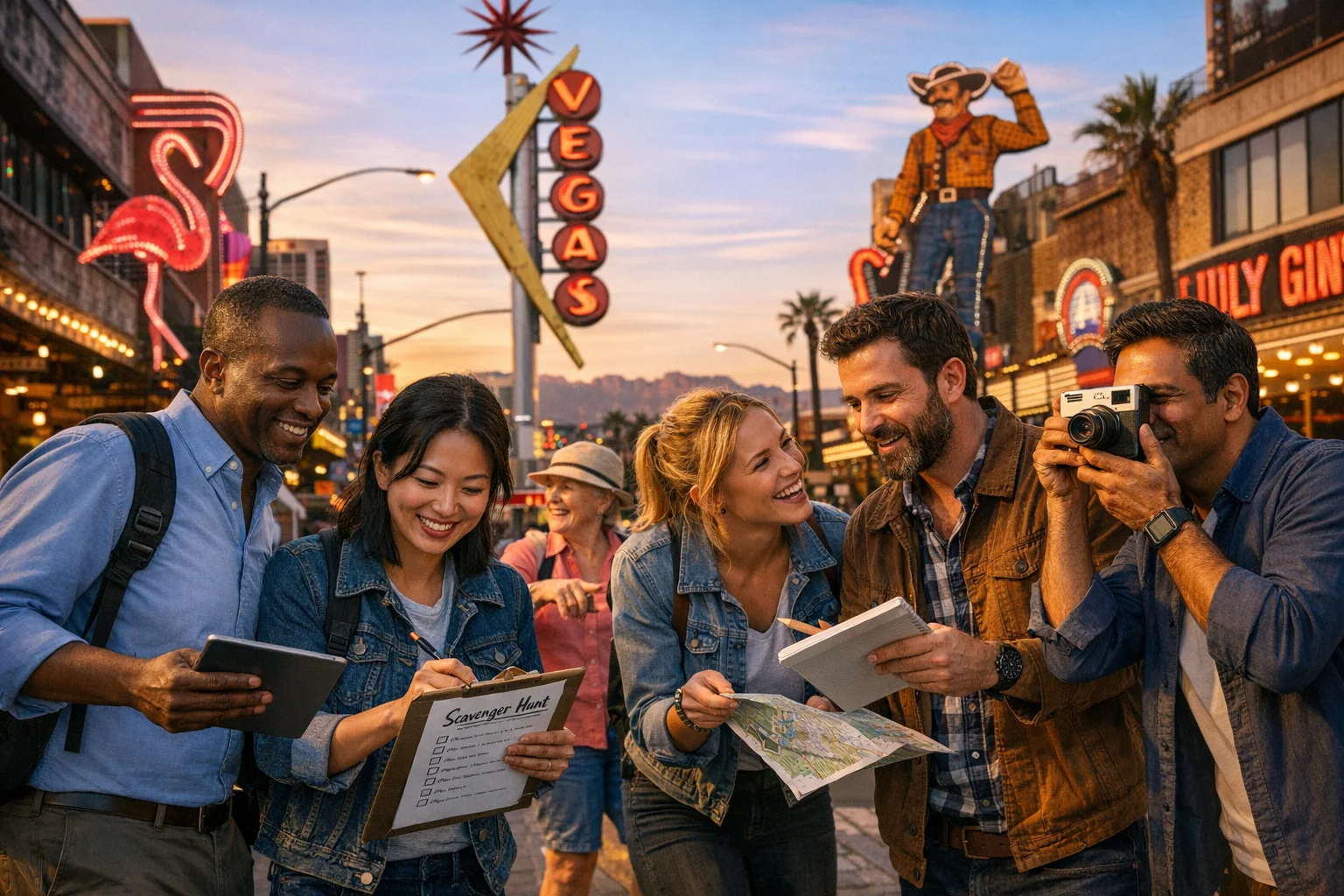
Las Vegas is built for spectacle, but teams don’t bond by shouting over slot machines. The magic happens off the casino floor—where neon meets desert, history meets art, and a little structure turns “we should hang out more” into real connection.
Pattern we keep seeing: put people into authentic Vegas—art alleys, neon history, the Mojave—and participation flips from forced to curious. Logistics are easy, venues love groups, and there’s always a weather‑safe pivot nearby. The real trick is sequencing: stack 20–40 minute modules so momentum never dips.
Wander the iconic Neon Boneyard and turn vintage signage into a creative brief. Teams capture photo evidence and short videos that answer playful prompts, then pitch a one‑line ad for a long‑retired sign. It’s history, art direction, and light improv in one.
Why it works: strong visuals, easy wins, and instant nostalgia.
Operator tip: check group rules and photography guidelines on the official Neon Museum site.
Challenge examples:
The 18b Arts District is dense with murals and studios. Give teams a loose map, a few creative constraints, and watch the hunt become a walking brainstorm. Add a “best before/after shot” where they reinterpret a mural detail in their own style.
Why it works: walkable, colorful, and conversation‑starter rich.
Operator tip: schedule for golden hour; shade matters in summer.
A short trail plus a navigation puzzle and eco‑trivia makes Red Rock feel epic without demanding a full day. Start early, rotate roles, and end with a quick photo showcase.
Why it works: awe resets teams; shared effort bonds quickly.
Operator tip: review current entry, parking, and trail advisories on the Bureau of Land Management page for Red Rock Canyon. Policies can change seasonally.
Challenge examples:
Part living museum, part botanical garden, the Preserve is perfect for a sustainability‑themed challenge. Teams complete stations on water use, native plants, and desert adaptation, then build a quick “green pledge” that actually fits office reality.
Why it works: meaningful content with hands‑on variety.
Operator tip: confirm exhibit hours and group packages on the Springs Preserve homepage.
Challenge examples:
Use the museum’s immersive exhibits as a live case study. Teams collect clues, connect dots, and present a short “closing argument” on a historical question.
Why it works: narrative tension creates focus and friendly debate.
Operator tip: check group booking policies and timed entry on the museum’s site; start with the courtroom for context. Planning pages live at About The Mob Museum.
Challenge examples:
Bracket play, team captains, and a rotating game lineup keep things lively. Award bonus points for creative victory photos and a “most improved” stat.
Why it works: low barrier to entry; constant micro‑wins.
Operator tip: rotate players every 3–5 minutes to avoid spectatorship.
Split into squads that rotate through experiences with light creative prompts. Think “one-line story that threads your entire route.” End with a rapid-fire shareback.
Why it works: sensory novelty plus structured meaning‑making.
Operator tip: coordinate timed entries and rally points inside a busy venue.
Partner with a local kitchen studio or chef for a hands‑on class. Add a scavenger element: secret ingredient, plating prompt, and 60‑second team pitch.
Why it works: tastes are memorable; collaboration is natural.
Operator tip: we’ve found 90 minutes of cooking plus 20 minutes of tasting keeps energy right.
Pick two nearby rooms and swap groups halfway to compare problem‑solving styles. Debrief on signal vs noise, role clarity, and timeboxing.
Why it works: fast feedback loop on team dynamics.
Operator tip: run a common finale puzzle so scores are comparable.
Give teams a small maker kit (card, tape, markers) and a single creative constraint tied to the space. Ten minutes to prototype a brandable souvenir, ten to pitch.
Why it works: constraints breed creativity; public space adds energy.
Operator tip: keep materials carry‑only; no mess, no permits.
Build a route through public art, landmarks, and greens. Add a “student life mythbusting” quiz and a quick photo series titled “Study Break.”
Why it works: collegiate spaces are naturally walkable and varied.
Operator tip: respect campus activity; avoid peak class change times.
Clark County Wetlands Park trails are quiet and close. Draft a one‑page “brand guide” for the Mojave after a short observation walk: colors, textures, and a tagline.
Why it works: attention training; surprising calm minutes from town.
Operator tip: stick to improved trails and watch mid‑day heat.
Pair a factory tour with a blind tasting and a mini positioning challenge: name, packaging sketch, and a target occasion.
Why it works: senses on; low‑stakes debate; delicious payoff.
Operator tip: pre‑assign roles so everyone speaks in the pitch.
Rotate short formats: “closest to the line,” “opposite‑hand swing,” and “calm under pressure” where heckling is part of the rules.
Why it works: playful competition with built‑in downtime for chat.
Operator tip: score creativity, not just distance, to level the field.
Give a shot list with creative prompts tied to texture: neon reflections, street musicians, the unexpected quiet corner. End with a 5‑slide team gallery.
Why it works: everyone can contribute; the city becomes the set.
Operator tip: define respectful photography rules up front.
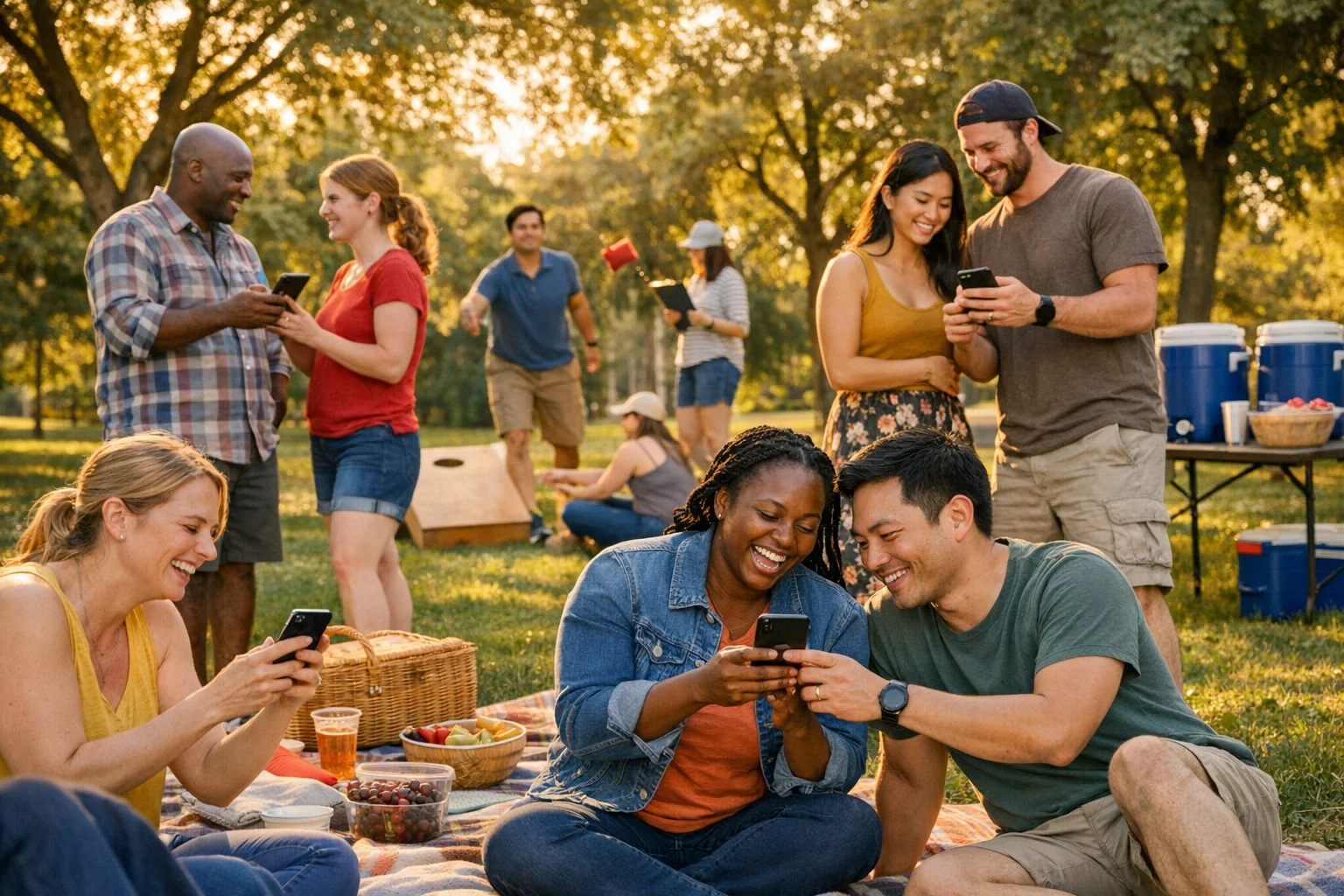
Sunset Park or Exploration Peak Park work well for cornhole, ladder toss, and a low‑tech clue trail. Add a water‑balloon “precision drop” for laughs when it’s hot.
Why it works: simple, social, and scalable.
Operator tip: shade, ice, and clear wayfinding to your basecamp.
Partner with a local nonprofit for a concentrated two‑hour shift packing food or hygiene kits. Track team throughput with a visible counter and a celebratory bell.
Why it works: purpose meets measurable progress.
Operator tip: align with the org’s actual needs; avoid creating work.
Each team shoots a 60‑second film on a theme: “New Vegas,” “Tiny Triumph,” or “Plot Twist.” Provide a three‑shot template and a hard four‑cut rule. Screen at a coffee shop.
Why it works: storytelling plus constraints equals memorable.
Operator tip: phones only, vertical format, quiet indoor finale.
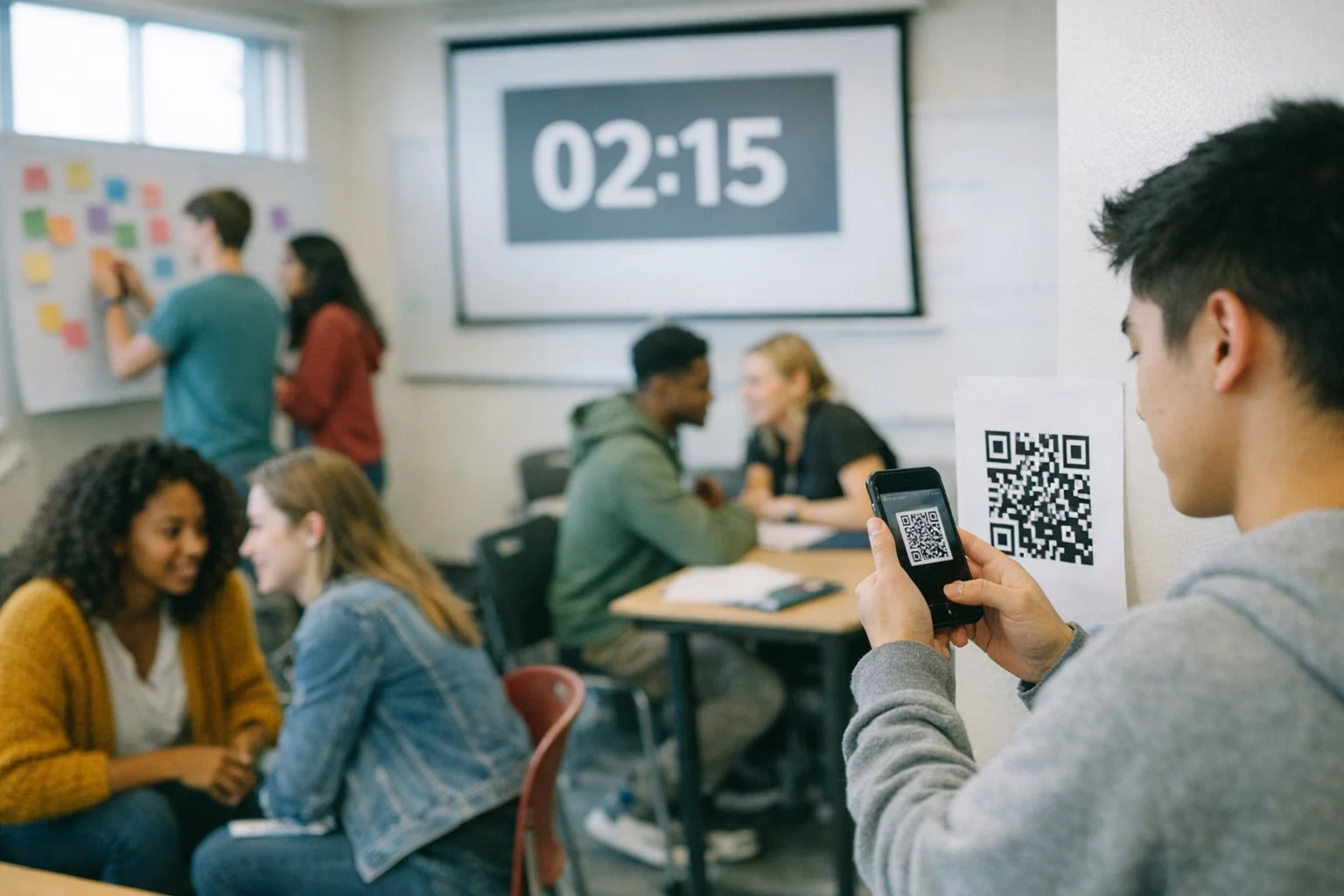
Turn any property’s meeting level into a fast, 30‑minute connection builder before dinner. Photo prompts, QR trivia, and a punchy “most on‑brand team selfie” finale.
Why it works: zero transit; momentum before the main event.
Operator tip: keep it to one floor and one timebox so no one wanders.
This template adapts to museums, parks, and neighborhoods. It’s the rhythm we default to when nothing else is certain.
Drop‑in challenge set:
Running this in Scavify lets you mix challenge types, automate scoring, and keep a live leaderboard humming on phones. Worth it if you want to facilitate instead of babysit rules.
Hotel‑floor micro hunts, pinball brackets, and short photo safaris deliver fast connection without transit. Pair one tight module with a quick shareback and you’ll still get a memorable highlight.
Go early or at golden hour, keep outdoor blocks to 20–30 minutes, stage shade and cold water, and give people a clear indoor cool‑down immediately after. Build your route so drop‑outs can rejoin easily.
Group policies and timed entries change. Always check official sites before you lock a plan, especially the Neon Museum, Red Rock Canyon (BLM), Springs Preserve, and The Mob Museum. Links above lead to the correct pages.
The Mob Museum casefile challenge, AREA15 relay, escape rooms, culinary cook‑alongs, and pinball tournaments all keep teams cool and engaged.
Small enough that everyone has a role, large enough to mix skills. In practice, that’s usually a handful of people rather than a crowd. If you’re using an app with a live leaderboard, you can comfortably run many teams in parallel.
Yes. Swap in brand artifacts, values, or event pillars as prompts. Keep wording playful, not preachy, and tie each prompt to a visible behavior you want more of.
Have an indoor Plan B parked within 10 minutes of Plan A. A flexible scavenger blueprint lets you pivot without losing energy. Keep your prize ceremony the same so the experience still feels complete.
It runs the challenge layer behind the scenes: prompt delivery, uploads, GPS check‑ins, automatic scoring, and a live leaderboard. That means hosts can focus on moments and debriefs, not clipboards.
If you want the experience without the admin headache, we’ve built and run versions of these across the city. The right mix of novelty and structure is what turns “Vegas” into connection you can feel the next morning, not just remember in photos.