Solutions
Your first hunt, live this afternoon.
Free to start · No download for participants
Compare team building activities in Utah by budget, group size, weather, and goal, with standout indoor, outdoor, and app-led options. Choose confidently.
Utah rewards teams that like to move. From red rock amphitheaters in the south to the Wasatch spine along the north, the state gives you real variety: high‑energy adventures, smart indoor options, and plenty of budget‑friendly ways to connect. What matters is matching the format to your goals, season, and logistics. The list below does that work for you with field‑tested picks, planning notes, and Utah‑specific twists.
Here’s how to use this guide. Skim the quick comparison, then jump into the 30 best activities. Each item includes why it works and how to adapt it for your group size, weather, or budget. Where permits, safety, or transit tips matter, we call them out with links to official sources.
Start with outcomes. Connection, cross‑team collaboration, new‑hire orientation, or a reset after a tough sprint all benefit from different structures. Then factor in altitude, heat, and transit. Utah’s shoulder seasons often deliver the friendliest weather windows for mixed‑ability groups, especially along the Wasatch Front and in Park City. A statewide weather primer from the tourism office is useful when you’re setting dates. See the season notes in Visit Utah’s overview to sanity‑check your timeline. Utah’s four distinct seasons and timing. (visitutah.com)
Two planning guardrails repeatedly save events: keep timeboxes tight and surface progress publicly. A visible scoreboard, shared gallery wall, or live leaderboard changes how adults show up. People lean in when the game state is obvious.
| Factor | Indoor options | Outdoor options |
|---|---|---|
| Weather risk | Low | Variable |
| Scenery & novelty | Limited | High |
| Accessibility & mobility | Easier to accommodate | Depends on terrain |
| Permits/logistics | Simpler | Often required |
| Budget control | Predictable | Can stay low or spike with guides/gear |
A pattern we keep seeing: variety beats volume. Mix one movement‑based challenge with one creative or strategic task, and stop while the energy is still high.
Momentum beats novelty. A decent activity run well will beat a flashy one run poorly.
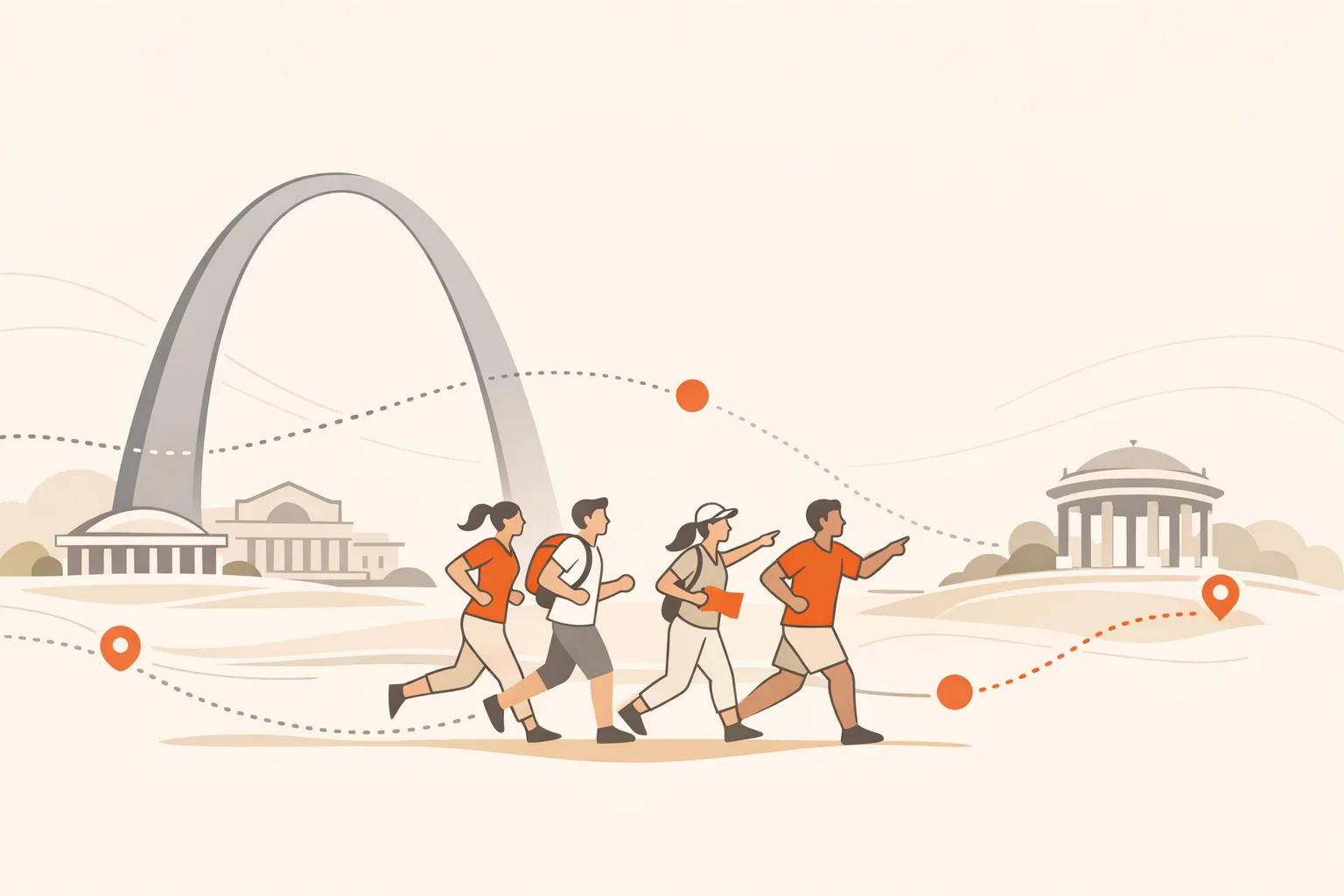
Utah’s walkable downtowns and photogenic backdrops are built for an app‑led hunt. You’ll split into squads, chase creative prompts, answer local trivia, and post photos and videos to a live feed. If you want zero heavy lifting and reliable participation, run it through a proven scavenger hunt app.
Why it works: It blends movement, micro‑collaboration, and a visible scoreboard. Quick wins early keep even quiet folks participating. Flexible routes work year‑round with an indoor fallback through skyways, malls, or museums.
Make it yours: Anchor challenges around your office neighborhood, Trax stations, Temple Square viewpoints, Park City’s Main Street, or Provo Center Street. Mix creative, GPS, trivia, and QR tasks so no single skill dominates.
A classic trust‑and‑courage circuit. Start on ground‑level elements, then graduate to aerial obstacles and a zip finale. The team rituals matter here: spotters who mean it, short huddles before the bigger moves, and a quick debrief at the end. Check group options and capacity through the park’s group portfolio first. Utah Olympic Park group offerings. (utaholympiclegacy.org)
Why it works: Shared challenge, real stakes, and more mutual encouragement than you’ll hear all year.
Make it yours: Pair the course with a problem‑solving ground game so those who skip heights still contribute something meaningful.
Zion canyons demand planning, guides for most teams, and permits for many routes. That’s part of the point: align as a team around prep, safety checks, and route decisions. Use official guidance to apply for the right day‑use slot. NPS canyoneering permits. (home.nps.gov)
Why it works: Clear roles, tight communication, and trust on every rappel.
Make it yours: Run a short gear‑and‑signals workshop the day before so the canyon day feels smoother and safer.
Build a point‑based circuit around lift rides, the Alpine Slide, and team photos at fixed landmarks. Rotate roles so everyone gets a turn as navigator, timekeeper, and storyteller. Confirm dates and operating hours on the resort’s site, which change seasonally. Summer activities overview and current hours. (parkcitymountain.com)
Why it works: Fast feedback loops and small, repeatable wins.
Make it yours: Add a creative prompt at the top of each lift: one photo, one line about what you noticed, post it.
Split time between a low‑impact service task and a friendly photo competition for the most creative wildlife‑free landscape shot. Keep distance from bison and pronghorn, and review etiquette from the park’s volunteer manual during your safety brief. Antelope Island wildlife guidance. (stateparks.utah.gov)
Why it works: Shared purpose plus scenery without overexposure to risk.
Make it yours: Cap the day with a three‑photo team gallery and quick reflections: what we noticed, what surprised us, one metaphor for our work.
Warm‑weather teams can run a short‑course paddle relay before a lakeside picnic. Keep legs short so form and handoffs matter more than brute force. Confirm access and conditions with Utah State Parks’ official pages, then cross‑check local ramp status. Bear Lake State Park overview and boating safety updates. (stateparks.utah.gov)
Why it works: Coordination under light pressure and easy social time afterward.
Make it yours: Add a land‑based puzzle checkpoint for non‑paddlers.
Choose beginner‑friendly crags and let certified guides handle anchors and belays. Back on the ground, use a flip chart for 120‑second debriefs: what calls did we make, how did we communicate, what would we change next pitch?
Why it works: Trust is tangible when you’re on the rope.
Make it yours: Include a knot‑tying relay so the whole group learns useful basics.
A guided half‑day is enough. Start with on‑shore commands and a dry‑land paddle drill. Mix crews so functions blend and you get fresh voices up front calling moves. The post‑run tailgate debrief is where the communication lessons usually click.
Why it works: Clear roles, immediate feedback from the river, and a shared win.
Make it yours: Assign a “storyteller” per boat to capture three moments for a closing highlight reel.
Use a green‑to‑blue skills ladder and split by comfort level. Practice cornering and braking on mellow trails, then link a short loop. The local nonprofit that builds and maintains Park City’s trails publishes maps and guidance that help with route choice and etiquette. Mountain Trails Foundation and their Park City trail guide. (mountaintrails.org)
Why it works: Visible progression without forcing anyone past their edge.
Make it yours: Add a buddy‑assist mechanic: one tip you learned that helped you most.
Teams plan a downtown loop using TRAX and bus stops within UTA’s Free Fare Zone, scoring points by hitting cultural sites, public art, and viewpoints. It’s fast, inclusive, and weather‑resilient. UTA explains how Free Fare Zone works on its rider pages. UTA Free Fare Zone basics. (rideuta.com)
Why it works: Strategy, navigation, and collaboration without needing cars.
Make it yours: Bonus points for the best team selfie on a platform with the Wasatch framed behind you.
Seed teams into a light tournament. Shortest clear time advances, but build in a creativity tiebreaker so problem‑solving style matters, not just speed. Debrief on how quickly teams surfaced hypotheses versus fixated on the first idea.
Why it works: Shared focus and just enough time pressure.
Make it yours: Bring one company‑relevant cipher that appears mid‑game for a custom moment.
Think chopped‑style: surprise pantry, a constraint or two, and a timed plating. Award points for plating story as well as flavor. Quick huddles between rounds are where the collaboration shows up.
Why it works: Role clarity emerges fast when the clock is running.
Make it yours: If you’ve got dietary constraints, assign a “culinary PM” per team to keep it inclusive.
An after‑hours scavenger‑style circuit through a venue that screams “Utah.” Rotate through galleries with micro‑prompts that push careful observation and storytelling. The museum offers event rentals with a range of spaces and skyline views. NHMU corporate and private events. (nhmu.utah.edu)
Why it works: Fresh context and shared discovery.
Make it yours: End with a one‑minute “exhibit pitch” where each team connects a gallery idea to your product or customers.
Reserve a room for the working session and the rooftop terrace for the share‑out. Teams rotate through quick ideation stations, then pitch from the terrace with the city view behind them. The library details event spaces and how to reserve them. SLC Main Library event spaces. (services.slcpl.org)
Why it works: Neutral ground plus an inspiring backdrop.
Make it yours: Bring a portable printer and pin a tangible artifact to a “wall of bets.”
Walk‑and‑talks through paths, then a salon‑style circle in the Orangerie. It’s a completely different tempo from a conference room, which is the point. Red Butte Garden publishes venue options and availability for private events. Red Butte Garden corporate events. (redbuttegarden.org)
Why it works: Movement reduces status dynamics; circles increase participation.
Make it yours: Assign rotating facilitators who watch airtime balance and call for quiet input.
Pick a short loop near Solitude or Brighton. Pair experienced hikers with beginners, run a quick layering and pacing brief, and set a shared turnaround time. If conditions pop, redirect to a cocoa‑and‑map debrief indoors.
Why it works: Mutual support shows up fast in winter conditions.
Make it yours: Add a micro‑navigation game using printed maps; phones stay pocketed unless needed.
Split into relays with very short legs so technique matters but the barrier to entry stays low. Encourage walking poles for true beginners. The post‑race warmup is built‑in camaraderie.
Why it works: Inclusive cardio with cheering moments every 90 seconds.
Make it yours: Award a teamwork ribbon for the loudest, most supportive pit crew.
Ride the tram, walk a gentle ridge if weather cooperates, then hold a 20‑minute retro at altitude: start, stop, continue. Keep it structured and timeboxed so you finish before anyone gets chilled.
Why it works: A change of altitude changes perspective.
Make it yours: Bring postcards; have each person write one future headline about the team.
Blend a short trail loop with a facilitated creative exercise: photography basics, plein‑air sketching, or haiku with a view. Share artifacts at the end rather than slide decks.
Why it works: Quiet collaboration and lower social friction.
Make it yours: Frame it as “attention training” to reduce eye‑rolls from the skeptics.
Spend a morning moving dirt or brushing back growth on Park City‑area trails, then picnic. The foundation coordinates trail building and publishes updates and maps that help with timing and impact. Mountain Trails Foundation. (mountaintrails.org)
Why it works: Shared physical effort for a clear public good.
Make it yours: Ask their team for a mini‑talk on trail etiquette and user conflict; translate that to your cross‑team norms.
Start late afternoon, finish just after sunset to beat the heat. Keep walking distances short and prioritize shade. Cap the evening with a quick award for the most creative forced‑perspective shot.
Why it works: Novel scenery and collaborative creativity without technical risk.
Make it yours: Limit required shots to 8 to keep pacing snappy.
Build your day around hoodoo viewpoints, then end with the park’s astronomy program. Use the time afterward for a quiet gratitude round or a one‑line “what got bigger tonight.” Program details and schedules live on NPS pages. Bryce astronomy programs. (home.nps.gov)
Why it works: Awe creates quick cohesion.
Make it yours: In peak season, assign a “night‑eyes” lead who manages red‑light etiquette and keeps phones off the horizon.
Rotate small groups through appetizers, murals, and micro‑history prompts. Add a short scoring matrix so listening and observation beat speed.
Why it works: Built‑in conversation starters and lots of small wins.
Make it yours: End with a single slide per team titled “One new micro‑story we’ll remember.”
Keep river time reasonable and stack the day with land‑based collaboration before and after. Assign a buddy system and a shore team that runs the logistics. A riverside picnic makes the debrief feel natural.
Why it works: Mild shared risk plus problem‑solving in changing conditions.
Make it yours: Give each team a waterproof “mission card” with three optional side‑quests.
Book a short taster sail and rotate roles: helm, lookout, comms. Use the boat as a mobile case study in clear calls and humility when you miss one. Verify outfitter credentials and wind conditions before you commit.
Why it works: Coordination under light stakes and a calm setting.
Make it yours: Run an on‑dock knot relay before you cast off.
A simple compass clinic followed by a short control‑finding course beats a long ramble every time. Keep your control points near shade and add optional puzzles for bonus points.
Why it works: Shared language, small decisions, visible progress.
Make it yours: Include a seated map debrief where each team redraws the route they actually took.
Use a blind‑aroma kit, water tastings, and malt or hop teas to build a low‑stakes sensory vocabulary. If some folks don’t drink alcohol, keep it focused on aroma and flavor language rather than pints.
Why it works: Shared attention and a playful lab feel.
Make it yours: End with a naming exercise for three imaginary beverages tied to your values.
Onboard new hires, interns, or remote teammates with a campus‑style quest that hits research spots, views, and history moments. It’s a natural format for cross‑functional buddying.
Why it works: Orientation without the slideshow.
Make it yours: Include one “ask a stranger” task to practice approachable outreach.
Short games that teach “yes, and,” active listening, and status calibration can reset team habits in under 90 minutes. Keep the room arrangement loose and the games short.
Why it works: Immediate feedback on interaction patterns.
Make it yours: Close with a 5‑minute “which improv rule belongs in our meeting culture.”
Set three stations: a movement game, a creative build with simple materials, and a quiet reflection canvas. Rotate every 12 minutes so energy never dips.
Why it works: Varied modes mean broader participation.
Make it yours: Use a visible team‑of‑teams scoreboard to keep it playful.
If your timeline is short or your group is large, an app‑led format is the lowest‑friction way to spark real participation without a week of planning. When you need that, you already know which scavenger hunt app teams use at scale.
Most teams don’t need louder activities; they need clearer structure and a better arc. Utah makes the setting memorable. Your job is the pacing, the prompts, and the tidy close. Pick one of these formats, keep it tight, and finish with a five‑minute “what we’ll do differently next week.” That’s where the real team building happens.