Solutions
Your first hunt, live this afternoon.
Free to start · No download for participants
Compare team building activities in Bay Area by budget, group size, weather, and goal, with standout indoor, outdoor, and app-led options. Choose confidently.
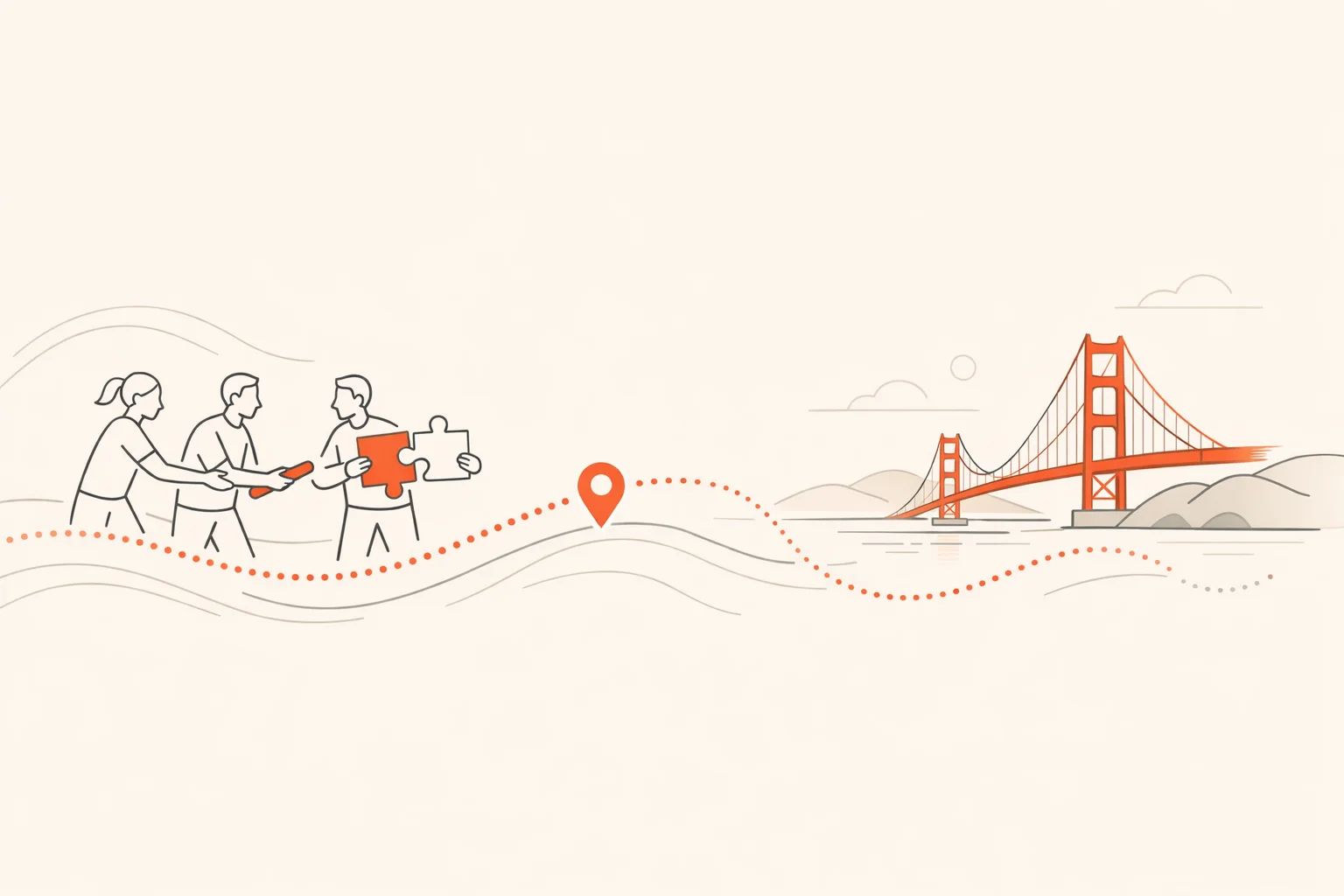
The Bay Area rewards groups that like options. Microclimates keep you on your toes, neighborhoods change every few blocks, and the region gives you world-class outdoor spaces and cultural venues inside a single transit map. For team building, that mix means you can match almost any goal to an activity without leaving your backyard.
What follows is a practical guide to choosing and running a team experience that people will actually enjoy and remember. It’s built from patterns we keep seeing on the ground: the activities that consistently land, the small decisions that change the energy, and the logistics that quietly make or break the day.
You’ll find 25 specific, field-tested ideas across San Francisco, the East Bay, the Peninsula/South Bay, and wine country. Each includes when it works best, simple planning cues, and small levers that improve outcomes. Where details matter for permits, transit, or reservations, we’ve linked to authoritative sources and flagged the gotchas.
The Bay Area’s geography creates tight clusters of distinct experiences. You can host a culture crawl, a redwood hike, and a waterfront tasting all inside one afternoon radius. That variety pairs well with work groups whose needs, abilities, and boundaries aren’t one-size-fits-all.
Weather isn’t a small detail here. The region’s famous patchwork of microclimates can swing temperatures and wind by neighborhood on the same afternoon, especially in summer. Plan with layers, backup venues, and late-morning or mid-afternoon starts when fog and winds are friendlier. A concise local explainer from KQED and technical context from the National Weather Service both underline how real those shifts are. Why the Bay Area has so many microclimates and the NWS overview are useful primers. (kqed.org)
Nobody quits a game they’re winning. Start easy to create momentum.
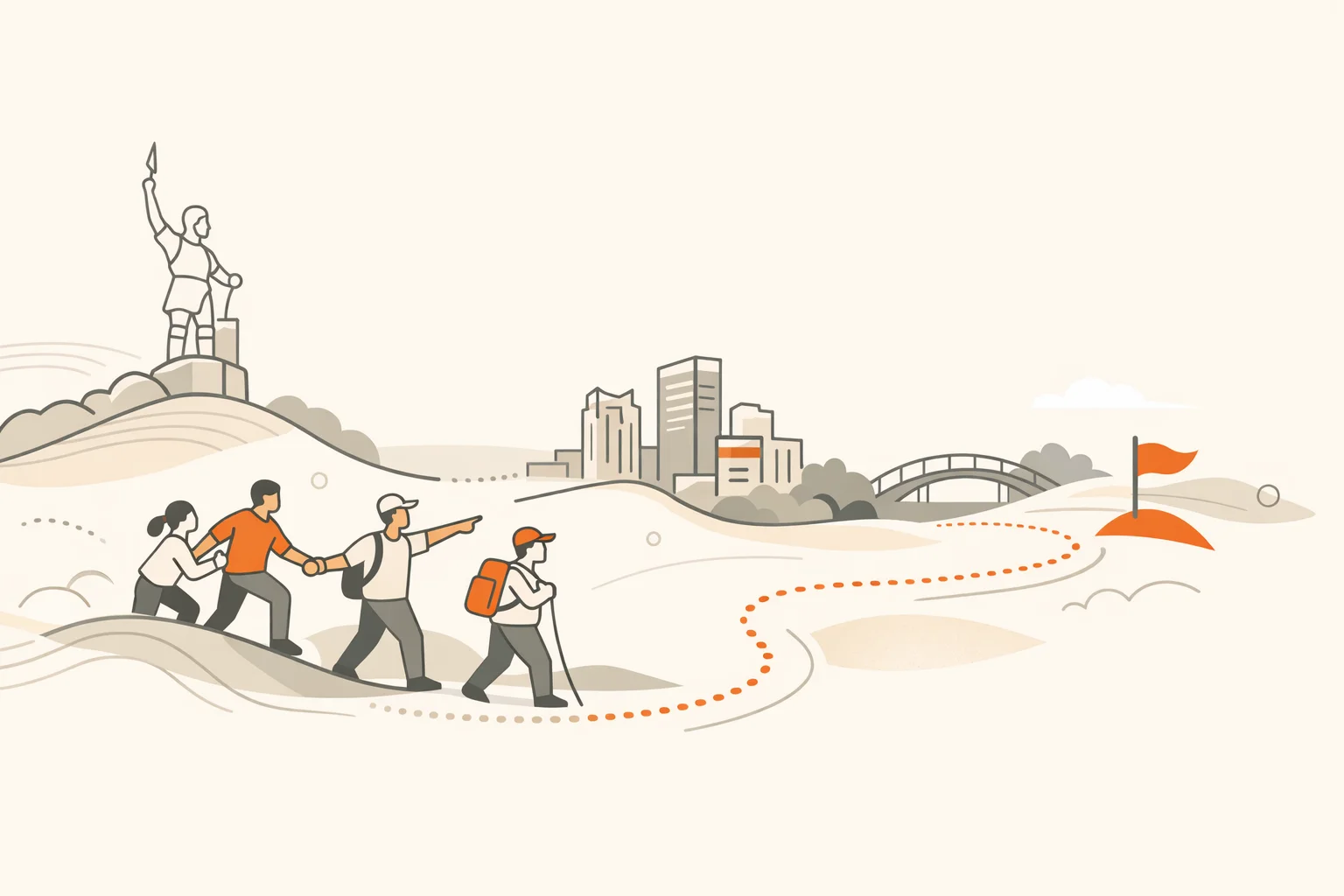
When you need energy fast and a format that works for mixed groups, a city hunt is our default. Teams complete photo, video, GPS, trivia, and QR challenges while moving through North Beach, Chinatown, the Embarcadero, or Golden Gate Park. The live feed, points, and time box keep the pace crisp without forcing anyone to be the loudest voice.
An app-led hunt launches quickly, scales from small teams to hundreds, and works with almost any start/finish location you already have. If you want minimal setup and flexible routes, an app like a scavenger hunt app is built for that.
This works for big groups, mixed abilities, and classic connection goals. Plan three short stations: a quick-build challenge, a cooperative relay, and a low-stakes trivia spot. Book a picnic area and, if needed, a special event permit through San Francisco Recreation & Parks. Their permits and reservations hub lays out what’s allowed, which sites fit larger groups, and what requires advance approval. Permits & Reservations. (sfrecpark.org)
If your team needs a reset after months of screen time, a quiet redwood loop with a prompt or two (gratitude, milestones, or what to start/stop/continue) lands well. As of August 24, 2026, parking or shuttle reservations are still required; book through the National Park Service’s Muir Woods site. Muir Woods reservations. (nps.gov)
Blend a storied setting with lightweight puzzles and reflection prompts. Ride out together, use the audio tour as context, then debrief what makes high‑constraint environments function. Logistics are straightforward but popular times fill early. Plan via the official National Park Service page. Alcatraz Island, NPS. (nps.gov)
Small teams fan out with a shared wallet and a short list of tasting objectives. Regroup for a quick show‑and‑tell of best bites and vendor stories. Works lunch‑adjacent, pairs nicely with Embarcadero hunts, and respects a wide range of dietary preferences.
Walk Grant Avenue, dip into alleyways with historic murals, sample dim sum, then over Columbus for espresso and cannoli. Give each squad one cultural artifact to “teach” the group at the end: a story, a snack, a symbol, or a sound.
Parallel work on the water builds quiet trust. Tandem kayaks require communication without a big audience, which suits introverts and extroverts equally. Favor morning windows for calmer water. For Half Moon Bay alternatives, California State Parks maintains up‑to‑date beach details that help you pick safer launch and meetup points. Half Moon Bay State Beach. (parks.ca.gov)
There’s a reason ballparks remain an easy win: built‑in spectacle, natural conversation breaks, and space for everyone to engage at their own level. Use pregame hospitality or a block of seats to create a shared anchor; the Giants host group and hospitality experiences with dedicated contacts for planning. Giants groups & hospitality. (mlb.com)
Assign roles on deck, rotate stations, and watch communication tighten. Keep gear simple and emphasize comfort over “proving something.” The only thing people remember about the wind chill is whether you packed layers for them.
Short relays, sand sculpture sprints, and a five‑minute kite‑building challenge work well. Watch tides and wind, bring a windbreak if you can, and remember this coastline is more about layers than sun hats. Official state beach pages are your friend when confirming amenities and constraints. Half Moon Bay State Beach. (parks.ca.gov)
Let teams find a theme across three works, pitch a two‑minute tour, and vote for the most surprising interpretation. Groups of 10 or more can arrange discounted admission and private tours through SFMOMA. SFMOMA group visits. (sfmoma.org)
In San Jose, The Tech Interactive’s hands‑on ethos pairs perfectly with rapid‑prototype challenges. Give squads a constraint, a mission, and 30 minutes, then test and iterate. The Tech’s visitor and field trip guidance includes practical logistics for group arrivals near the convention center. The Tech Interactive and field trip FAQ. (thetech.org)
Uptown and Downtown Oakland offer dense, walkable routes with striking large‑scale pieces. Cap it with a short guided exercise: color study, stencil basics, or collaborative canvas. The result hangs in your office and quietly extends the day’s energy.
This one runs itself. Give a simple photo brief, a small taco budget, and a map with two alleys and one bakery. Five minutes at the end for “one image, one bite, one story” is enough.
Blending stock into a house cuvée makes wine country tactile and social. Rotate roles between “winemaker,” “label,” and “pitch” so everyone contributes. For meetings or group tastings, Visit Napa Valley maintains dedicated resources that simplify venue and vendor discovery. Visit Napa Valley group offers. (visitnapavalley.com)
Redwood, Tilden, and Lake Chabot are popular for a reason: plenty of picnic sites, many reservable, and trails that scale to your group. Check EBRPD’s reservation and permit pages for site capacities, alcohol policies, and any special activity needs. EBRPD picnics and permits. (ebparks.org)
Belay checks build trust fast, but the real magic is in the ground roles: spotting, route‑reading, and beta‑sharing. Keep the grading gentle and the emphasis on celebration over summits.
You’re not trying to mint comedians. You’re practicing listening, offers, and recovery. Good facilitators read a room in seconds and dial the exercises to match. The side effect is laughter that doesn’t feel forced.
Two stations, a secret ingredient, and a rotating “taster’s table” for low‑key judging. Cooking equalizes seniority and tends to reveal helpful leadership styles you don’t always see at work.
Tie the work to an outcome you can see. Pack STEM kits, assemble hygiene sets, or run a beach or park cleanup. Keep the window tight, the instructions simple, and the reflection short and specific.
Run heats across two or three rooms and crown a final. The design of a good escape room mirrors healthy team behavior: clear roles, shared context, and fast feedback. Pick venues that publish difficulty ranges so you can steer groups well.
Short, cooperative scenarios lower the barrier to entry. Limit each play window, rotate squads quickly, and set a debrief prompt that connects the game dynamic to real work.
Start near Crissy Field, the Embarcadero, or along Lake Merritt. Assign photographic or observational prompts at stops to focus attention and slow the fastest riders just enough for the group to cohere.
Pick two close venues, build a tight three‑round quiz, and include one location‑specific round. For groups using transit, BART’s official Trip Planner is the simplest way to coordinate arrivals from multiple offices. BART Trip Planner and official BART app. (bart.gov)
Mark checkpoints across your own space and nearby blocks. Teams complete quick-builds, people-finding tasks, and creative prompts that spotlight your culture. This is a powerful on‑ramp for new hires when you keep tasks short and wins frequent.
| Approach | App‑led city game | Classic facilitated workshop |
|---|---|---|
| Works in variable weather & microclimates | Flexible routes & indoor alternates | Often venue‑bound |
| Scales to large groups without heavy staffing | Yes | Limited |
| Setup time | Minutes | Longer |
| Supports hybrid/remote participation | Yes | Rare |
| Encourages movement & discovery | Built in | Depends on design |
Outdoor picnics in Golden Gate Park, app‑led scavenger hunts across SF neighborhoods, and ballpark group nights handle headcount well. East Bay Regional Parks also offer numerous reservable picnic sites with clear capacities and guidelines. EBRPD picnics. (ebparks.org)
Expect wind and fog near the ocean and the Gate, warmer pockets inland, and rapid shifts by neighborhood. Start late morning or mid‑afternoon and pack layers. Local coverage and NWS climate notes explain the pattern well. KQED microclimates primer and NWS overview. (kqed.org)
Often, yes for larger gatherings, amplified sound, certain equipment, or alcohol. San Francisco Recreation & Parks centralizes applications, and East Bay Regional Park District lists what requires permits and where alcohol is allowed by beer/wine permit only. SF Rec & Parks permits and EBRPD permits. (sfrecpark.org)
Pair outdoor routes with indoor neighbors: a gallery quest near SFMOMA, a market tasting flight at the Ferry Building, or a hands‑on lab sprint at The Tech Interactive. These formats preserve movement and collaboration. SFMOMA groups and The Tech Interactive. (sfmoma.org)
The Tech Interactive is two blocks away and designed for group experiences. Rotate small squads through a design challenge and a quick debrief. The Tech’s planning pages cover timing and arrival details. The Tech field trip FAQ. (thetech.org)
Yes. App‑led hunts, museum quests, food crawls, and gentle park loops keep everyone involved without asking for endurance. Build optional “stretch” tasks for those who want more.
Lean on transit. BART’s Trip Planner and official app stitch together trains, buses, and last‑mile options across nine counties and make staggered arrivals less painful. Trip Planner and official BART app. (bart.gov)
Absolutely. Blending labs emphasize creativity and collaboration over consumption. Set small pours, rotate roles, and finish with a pitch of each team’s blend. Planning support for groups is easy to find via Visit Napa Valley’s meetings resources. Group planning. (visitnapavalley.com)
Yes. As of August 24, 2026, parking or shuttle reservations remain in effect. Book through the NPS site ahead of time. Muir Woods reservations. (nps.gov)
Kickoff with a 2‑minute guaranteed win, run two 20‑minute challenge blocks with a short break, and leave 10 minutes to debrief and celebrate. Keep tasks simple, visible, and winnable.
The Bay Area gives you more ways to run a great team day than you’ll ever need. Choose for intent, respect the weather, build in easy wins, and keep the logistics invisible. Do that, and the activity becomes the backdrop for what you actually came to build: connection that lasts past the bus ride home.