Solutions
Your first hunt, live this afternoon.
Free to start · No download for participants
Explore scavenger hunt ideas, clues, and formats for every age group, occasion, and setting, with simple planning tips.
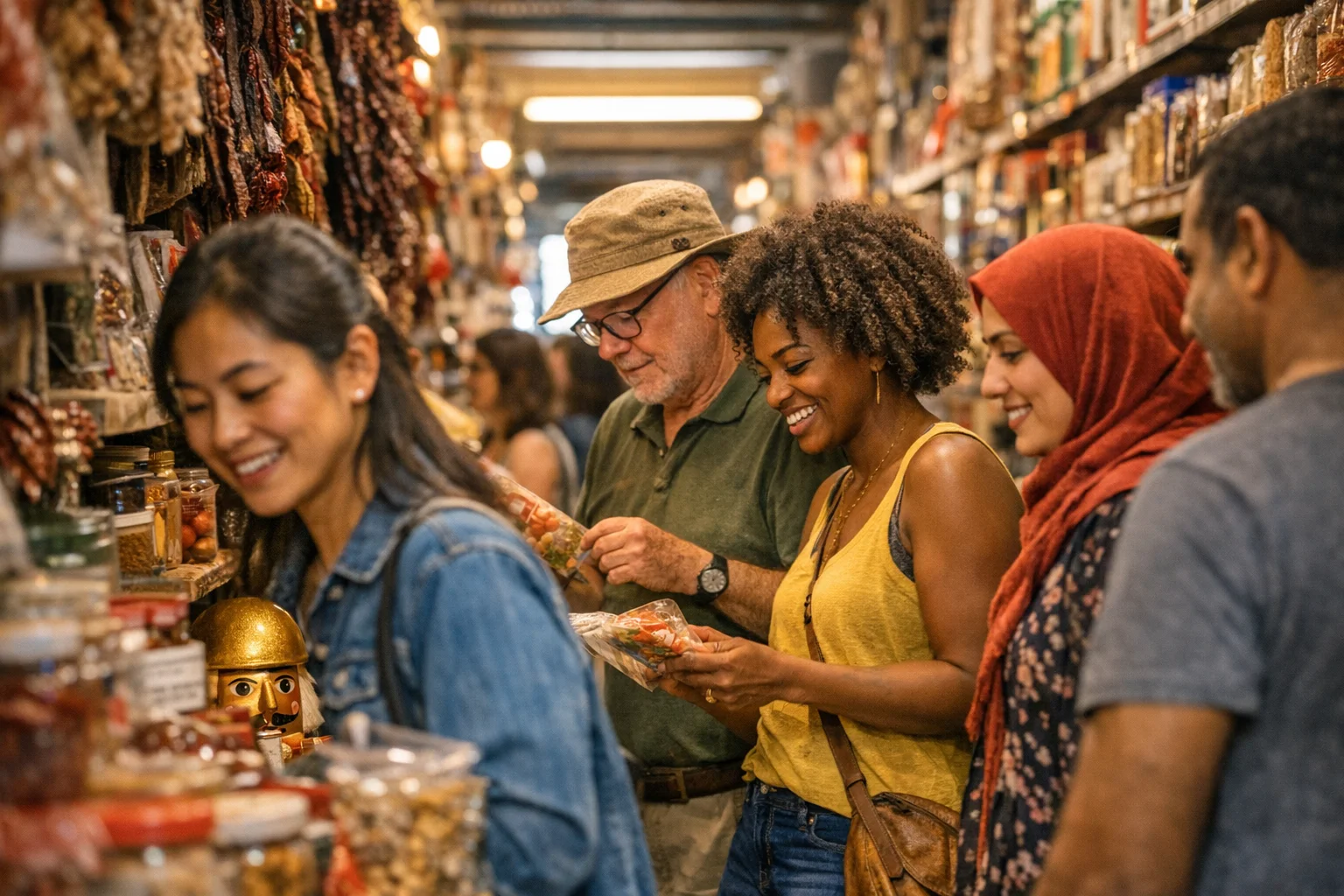
If you’ve heard whispers about a “world market scavenger hunt,” you’re almost certainly talking about the in‑store game hosted by World Market (the home goods and international foods retailer). Here’s the practical, no-fluff guide to what it is, when it runs, what you can win, and exactly how people tend to find the prize fast.
World Market hides a small themed object somewhere on the sales floor. Find it, bring it to the register, and you’ll receive a reward coupon. Themes rotate by season: golden eggs at Easter, golden nutcrackers during the holidays, and other “golden” characters have appeared in recent years. Sporked highlights the mix of golden eggs, gnomes, unicorns, and elves used in past games. (sporked.com)
Stores often share daily clues in‑store, on their site, and on social. You’re not solving riddles for hours; you’re narrowing down one hiding spot for that day’s prize. Aggregated updates from deal and sweepstakes trackers routinely note the multichannel clue drops, for example The Freebie Guy’s hunt page for the 2025 fall edition and FreebieShark’s Golden Egg post. (thefreebieguy.com)
The pattern we keep seeing: a three‑week run in spring and another in fall, each with a distinctive “golden” theme tied to the season. In 2025, the Golden Nutcracker hunt ran November 1 to 26 with twice‑daily opportunities to win. Parade documented the dates, daily windows, and rules highlights and local outlets such as Mile High on the Cheap reiterated the timeframe. (parade.com)
For the spring 2026 Easter edition, Sporked cited March 16 to April 5, 2026. Expect store signage and a simple “how to play” blurb when an event is active. (sporked.com)
Most hunts award one of three reward levels: $20, $50, or $100 off a purchase, typically valid that same day. You’ll see win limits like one prize per person per game period, and the reward generally can’t be combined with other coupons. Parade’s 2025 write‑up listed prize tiers, same‑day redemption, and one‑win‑per‑game guidance. (parade.com)
Some coverage also notes daily structure such as two hunt windows and a cap on winners per store per day. For the 2025 fall event, Parade described two windows (open to 3 p.m. and 4 p.m. to close) and indicated stores targeted up to eight winners per day. Treat those operational details as typical rather than universal, and confirm at your location. Parade summarized the schedule and caps. (parade.com)
You usually need to be a World Market Rewards member to claim the prize. Membership is free for U.S. residents 18 and older and governed by posted terms. If you’re not a member, most stores will help you enroll at checkout in minutes. See the current Rewards Program Rules and eligibility language for specifics. (worldmarket.com)
Hunt‑specific rules, dates, and exclusions can vary by event and year. During the 2025 fall run, for example, Parade noted a one‑win‑per‑game limit and that employees and family members were not eligible. Always read the current signage and official landing page when the hunt is live. Parade’s 2025 piece called out those restrictions. An event splash page like World Market’s hunt hub may appear during active periods. (parade.com)
1) Check that an event is active. Look for a seasonal hunt mention on World Market’s site, social channels, or in‑store signage. Local deal posts like Hip2Save’s alert for the Golden Egg hunt returning are a quick sanity check during spring. (hip2save.com)
2) Arrive for a hunt window. Many stores run two daily windows during an event, often morning through mid‑afternoon, then late afternoon to close. Parade captured this two‑window pattern in 2025. Plan your visit accordingly. See Parade’s schedule details. (parade.com)
3) Scan the clue. Clues may post in‑store, on the website, or social. Start with the day’s clue, then translate it into likely aisles, endcaps, or displays. Trackers like The Freebie Guy and FreebieShark regularly flag where clues appear. (thefreebieguy.com)
4) Search the floor, not the stockroom. The item is hidden where customers can safely access it. Focus your energy on shelves, displays, and the obvious‑yet‑overlooked spaces.
5) Claim your prize at the register. Bring the found item to checkout. A team member will validate it and apply or print your reward. Expect same‑day use and standard exclusions if the current rules say so. Parade’s overview of redemption timing and exclusions is a good baseline. (parade.com)
A pattern we keep seeing: winners move with a plan, not speed.
The hunt is family‑friendly. Treat it like a 20‑minute micro‑adventure with a clear plan: one adult skims endcaps, one adult or older kid scans top shelves, younger kids scout at knee height for anything shiny or “golden.” If you’re in a group, agree on a simple rule: whoever spots it first gets the claim, but everyone shares the spoils in the cart.
It happens. Not every store runs every event, and schedules can shift. Check for a live landing page or social post, confirm with your location, or try an alternate store with more event traffic. During the 2025 fall run, local outlets like Mile High on the Cheap emphasized the specific date range so shoppers could time visits. Expect similar communication patterns in future editions. (milehighonthecheap.com)
If you want this exact energy at a conference, campus orientation, museum night, or food hall weekend, run your own version. This is where app‑based hunts shine: quick setup, automated scoring, live feeds that keep energy high, and flexible formats for any crowd size. Scavify was built to make passive browsing feel like a mission. Challenge variety, automation, and browser‑plus‑app access mean people can jump in without instructions.
Here’s a ready‑to‑run mini set you can drop into a market‑style event:
Run it as a 20‑minute burst between sessions or a background experience that rewards curiosity. What usually shifts the dynamic is the live activity feed. People see others participating, and they start moving.
During an active event, a store hides a themed “golden” item. Find it, bring it to the register, and receive a reward coupon. Spring editions have featured golden eggs, while fall has leaned into golden nutcrackers. Sporked’s 2026 guide and Parade’s 2025 piece summarize both formats. (sporked.com)
Historically, spring and fall. For example, the 2025 fall hunt ran November 1 to 26, and the 2026 Easter hunt ran March 16 to April 5. Parade covered the 2025 run and Sporked noted the 2026 dates. (parade.com)
Common reward tiers are $20, $50, or $100, usually applied to a same‑day purchase. Parade reported those amounts and same‑day redemption. (parade.com)
Typically yes. Enrollment is free, and stores can usually help you sign up quickly at checkout. See the current Rewards Program Rules for eligibility and terms. (worldmarket.com)
Look for two daily windows when a hunt is live: one earlier window and a second in late afternoon. Parade captured open‑to‑3 p.m. and 4 p.m.‑to‑close windows for fall 2025, which is a useful benchmark. See their breakdown. (parade.com)
Expect in‑store signage plus posts on World Market’s site and social channels during active periods. Deal trackers like The Freebie Guy and FreebieShark flag daily clue behavior when hunts are running. (thefreebieguy.com)
Assume no. Same‑day redemption and no coupon stacking are common constraints noted in coverage of recent hunts. Parade’s 2025 overview reflects those limits. (parade.com)
Use an app‑based hunt so you can push clues, automate scoring, and keep people moving with a live activity feed. Scavify supports quick launch, flexible challenge types, and browser or app play, which is ideal when you’re coordinating lots of participants with minimal staff.
If you’re planning a market‑style activation, orientation, or team afternoon, a short, well‑designed hunt turns passive browsing into active discovery. That’s the point.