Solutions
Your first hunt, live this afternoon.
Free to start · No download for participants
Compare team building activities in Boston by budget, group size, weather, and goal, with standout indoor, outdoor, and app-led options. Choose confidently.
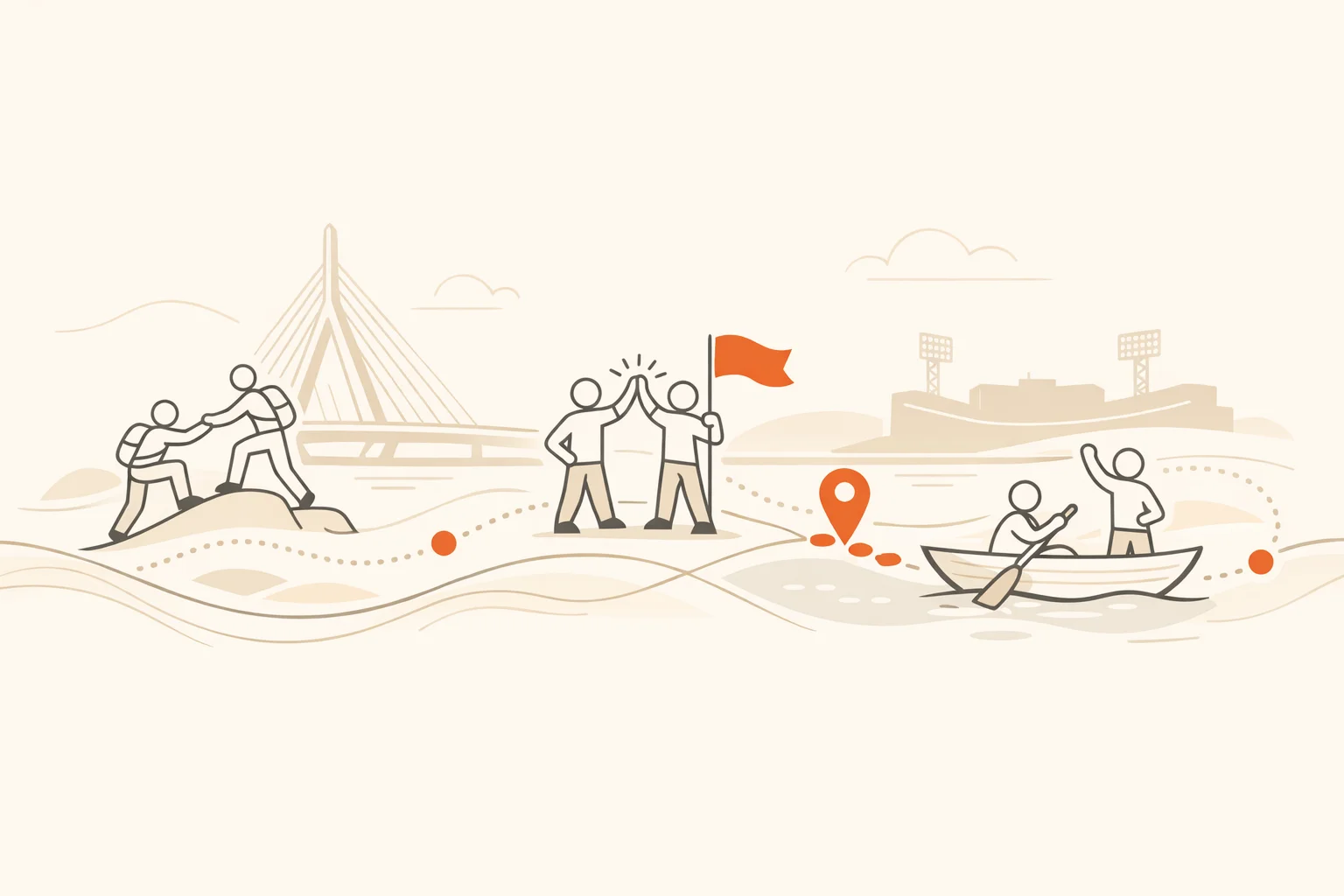
Boston rewards teams that plan with the city, not against it. Keep transfers short. Match energy to the clock. Have an indoor Plan B that isn’t an afterthought. Do that, and you’ll get real participation instead of polite smiles.
This guide focuses on what consistently works for work groups in 2026: activities that scale, don’t require heroic coordination, and fit Boston’s rhythms. You’ll find options by season, budget “bands,” ideal group size, and the kind of outcome you actually care about: connection, collaboration, or just a good time together. When we cite a venue, it’s because we’ve seen it work or it solves a real constraint.
We also call out the quiet killers of turnout in Boston: long walks in dress shoes, surprise permit needs, and rainy‑day improvisation that feels like punishment. The fixes aren’t complicated. They just require a little local precision.
Choosing well in Boston usually comes down to five levers. Set these first and your shortlist gets obvious.
Planning around a tight radius is the single biggest lift for energy and turnout. A few patterns we see working again and again:
What usually shifts the dynamic is removing friction, not adding spectacle.
Each pick includes why it works, best group sizes to target, and how to make it run smoothly. When we reference a provider, it’s because they’re built for groups and have clear operations.
Why it works: It’s the most flexible way to activate a neighborhood, indoors or out. Scale to any size, mix photo/video/GPS/trivia, and end with a leaderboard reveal at your venue of choice. Use a modern scavenger hunt app to automate scoring and capture content you’ll actually share later.
Good for: 15 to 500+, mixed abilities, hybrid teams.
Where it shines: Seaport, Esplanade/Back Bay, Downtown/Greenway.
Why it works: A 2.5‑mile string of 16 sites invites light structure without a guide. Turn 45–60 minutes into a mini‑hunt across 3–5 stops, then regroup. Official site provides excellent context and maps. (thefreedomtrail.org)
Good for: 12–60, history‑curious groups.
Where it shines: Boston Common to Faneuil Hall segment.
Why it works: The conversation takes over the minute you push off. A private vessel gives you views, a contained space, and easy catering add‑ons. The Charles River Boat Company handles corporate events routinely. (charlesriverboat.com)
Good for: 30–150, social connection, client hosting.
Where it shines: Late afternoon into golden hour.
Why it works: Low skill floor, high smiles. Outfitters offer group bookings, guides, and one‑way paddles between boathouses so logistics are simple. Plan a dockside finish nearby. (paddleboston.com)
Good for: 10–60, spring to early fall.
Where it shines: Basin lagoons and skyline views.
Why it works: Roles rotate naturally. A quick dockside briefing, then short races that get everyone engaged without ego. Community Boating’s corporate format is built for this. (community-boating.org)
Good for: 12–60, competitive teams.
Where it shines: Back Bay Basin, steady breezes.
Why it works: Even non‑fans light up when they’re on the warning track or in the stands with a guide. Official tours have group options and are turnkey. (mlb.com)
Good for: 12–80, mixed groups, year‑round.
Where it shines: Pair with Kenmore food/drink within a block.
Why it works: Zero logistics on your side and a shared, very Boston experience. Group tickets and partner packages keep it simple; it’s also a dependable rain plan. (bostonducktours.com)
Good for: 20–120, visitors, time‑boxed agendas.
Where it shines: First afternoon of an offsite.
Why it works: Time‑boxed, collaborative pressure with clear wins and built‑in debrief. Trapology and Room Escapers both run polished corporate events with space for mingling. (trapologyboston.com)
Good for: 6–48 split across rooms, winter‑friendly.
Where it shines: Downtown crossing, easy transit.
Why it works: 25+ themed challenges where experimentation beats brute force. It’s continuous, so teams learn and iterate fast. Corporate packages are explicit about outcomes and add‑ons. (bodaborg.com)
Good for: 12–100, hands‑on problem solving.
Where it shines: Rainy days and winter Fridays.
Why it works: A shared route, iconic exhibits, and behind‑the‑scenes options. Easy to pair with waterfront dining. Group logistics are dialed. (neaq.org)
Good for: 15–120, all‑hands days.
Where it shines: Off‑peak mornings, then lunch.
Why it works: Exhibits create natural prompts for small team challenges. It’s also a departure point for some seasonal tours, so you can stack activities. (bostonducktours.com)
Good for: 20–120, cross‑discipline teams.
Where it shines: Pair an indoor circuit with an outdoor stroll.
Why it works: Tech‑curious groups get real hooks. The new location and surrounding Kendall labs make it feel current, not academic. (mit.edu)
Good for: 10–60, innovation offsites.
Where it shines: Late‑day sessions before dinner.
Why it works: Easy to design a clue‑based circuit through highlights like the glass flowers. The museum’s resources make planning straightforward. (hmnh.harvard.edu)
Good for: 10–60, winter‑friendly.
Where it shines: Pair with Harvard Yard strolls.
Why it works: Short, high‑trust reps in listening and “Yes, and.” The team behind Improv Asylum runs a corporate training arm purpose‑built for business groups. (asylumteambuilding.com)
Good for: 10–80, communication tune‑ups.
Where it shines: As a 90‑minute morning primer.
Why it works: Belay trust and problem‑solving without the heights for bouldering‑only groups. CRG and Rock Spot both run group events with coaching and gear. (centralrockgym.com)
Good for: 8–40, fitness‑minded teams.
Where it shines: South Boston, Cambridge, Malden.
Why it works: Kayaks or canoes out, picnic back in 90–120 minutes. Outfitters handle routing and returns. Keep food simple and shaded. (paddleboston.com)
Good for: 12–50, summer Fridays.
Where it shines: Esplanade lagoons, skyline coves.
Why it works: Built‑in venues with staff who run events weekly. You can layer tours, tastings, and semi‑private nooks without a bus transfer. (harpoonbrewery.com)
Good for: 15–120, social connection.
Where it shines: Seaport or Jamaica Plain.
Why it works: Light, charming, and short. Pair a quick ride with a mini photo challenge and you’ve got a break that feels like Boston. (swanboats.com)
Good for: 10–40, mixed ages, visitors.
Where it shines: Late spring through early fall.
Why it works: Quiet focus with expert guides, then social time. Corporate membership unlocks private tours and event space options. (mfa.org)
Good for: 10–80, reflective teams.
Where it shines: Late afternoon before dinner nearby.
Why it works: Link the live tour with a short indoor app‑led challenge tied to your content or values. Easy hand‑offs keep energy high. (bostonducktours.com)
Good for: 20–120, hybrid agendas.
Where it shines: Museum of Science or Prudential departures.
Why it works: Collaborative, hands‑on, with a shared outcome you can eat. CSCA runs private corporate sessions and has the logistics down. (cambridgeculinary.com)
Good for: 10–40, winter‑friendly.
Where it shines: Evenings with a celebratory finish.
Why it works: Structured instruction, strong facilitation, and a premium feel in the heart of the city. Private events are customizable. (177milkstreet.com)
Good for: 10–30, culinary‑curious teams.
Where it shines: Post‑work sessions downtown.
Why it works: Learn, sample, and socialize. Formaggio offers classes and private events; it’s easy to bolt onto a neighborhood plan. (formaggiokitchen.com)
Good for: 8–24, foodie groups.
Where it shines: South End or Cambridge.
Why it works: Escape‑style puzzles without leaving the building. Some providers will kit a floor with parallel challenges for large groups. Pair with awards and snacks. (trapologyboston.com)
Good for: 30–200, weather‑proof.
Where it shines: Quarterly in‑office meetups.
Why it works: A shared ferry ride resets the group’s pace. Picnics, light hikes, history, and beach views deliver connection without over‑programming. Check group requirements before booking. (bostonharborislands.org)
Good for: 15–60, May–October.
Where it shines: Georges or Spectacle Island.
Why it works: Rotate teams through boats with coaches while others mingle on the pier. Low pressure and very Boston. (courageoussailing.org)
Good for: 20–80, mixed abilities.
Where it shines: Warm evenings, light winds.
Why it works: A shared laugh followed by two or three “Yes, and” drills. Light structure, big payoff. Venue partners make hosting easy. (asylumevents.com)
Good for: 20–150, culture resets.
Where it shines: As a kickoff or finale.
Why it works: Color, movement, and a built‑in route under I‑93. Use it for photo prompts or reflection questions, then finish nearby for food. (undergroundinkblock.com)
Good for: 10–60, creative teams.
Where it shines: Late afternoon light.
Why it works: Hands busy, conversation easy. Local studios regularly host corporate groups for beginner‑friendly sessions.
Good for: 8–30, winter‑friendly.
Where it shines: As a calm counterweight to busier days. (clayloungeboston.com)
Why it works: Cornhole and conversation travel well. Book a semi‑private zone and let teams mix naturally. Harpoon’s event team is used to corporate groups. (harpoonbrewery.com)
Good for: 20–150, informal connection.
Where it shines: Late afternoons.
Why it works: A beautiful loop with lots of shade and spots to pause. Keep the prompts fun and short; finish at a reserved lawn or indoor backup. (esplanade.org)
Good for: 12–60, spring to fall.
Where it shines: Weekdays when paths are quieter.
Why it works: Try‑it sessions let people opt in at their comfort level. Pair boards with kayaks for variety. Keep everything within one launch site. (community-boating.org)
Good for: 8–24, warm evenings.
Where it shines: Basin lagoons.
Why it works: Turn a private tour into a question‑prompt game that spotlights attention and interpretation. Close with a short debrief and refreshments. (mfa.org)
Good for: 10–40, reflective teams.
Where it shines: Off‑peak hours.
Why it works: The Harborwalk and Greenway string together water, parks, and public art. Set 4–6 waypoints and let sub‑teams roam on a timer. (en.wikipedia.org)
Good for: 20–120, flexible budgets.
Where it shines: Golden hour finish.
Why it works: Low‑effort, high laughter. Questions tie to your team and the city. Keep rounds short and prizes simple. Pair with a short walk from the day’s anchor.
Good for: 15–100, cross‑functional groups.
Where it shines: Any time you don’t want to over‑engineer.
Most “team hunts” lose people because they confuse volume with design. A few patterns we’ve seen make the difference.
Here’s a starter set that works across Downtown/Greenway and the waterfront.
If you’re threading history into your day, the official Freedom Trail resources summarize the 2.5‑mile route and 16 stops for accurate clue writing. Build from those so your prompts land true. (thefreedomtrail.org)
Escape rooms, museum‑based challenges, improv workshops, and culinary classes are reliable. Trapology and Room Escapers run corporate‑friendly formats; the MFA and Milk Street offer structured, warm indoor options. (trapologyboston.com)
If your group looks like an event, assume permits. Boston centralizes outdoor event guidance and links to Parks for reservations. It’s predictable if you start early. (boston.gov)
Plan for May through October and always hold a real indoor backup. Outfitters on the Charles and harbor operators run polished group programs in this window. (paddleboston.com)
Yes. Build a mini‑route along the Freedom Trail or around the Harborwalk and use app prompts. The Freedom Trail’s official resources keep your facts tight. (thefreedomtrail.org)
App‑led scavenger hunts, brewery takeovers, and split‑room escape formats scale well within walkable clusters like Seaport and Fenway. Harbor cruises with larger vessels also work. (charlesriverboat.com)
Pair an indoor museum circuit or escape rooms with a private room for food and a scoreboard reveal. Keep the venue within a 10‑minute walk of your original plan. (trapologyboston.com)
Yes. A swan boat ride plus 30–45 minutes of light photo prompts in the Garden and along the Common works well, then regroup at a nearby café or hotel lounge. (swanboats.com)
Boston rewards simple, high‑signal plans. Cluster your moves, pick for the season, and design the first win to be easy. Do that, and the city does the rest.